
Wet Painting Services: Smooth, Flexible Coatings
Wet painting (liquid coating) lays a controlled film of paint or primer by spray or dip—ideal for thin, smooth, or specialty finishes that powder can’t match. For touch-up, low-cure, or mixed materials, liquid coating stays flexible. This guide covers how it works, when to choose it, the materials, and how to spec your job.

How Wet Painting Works
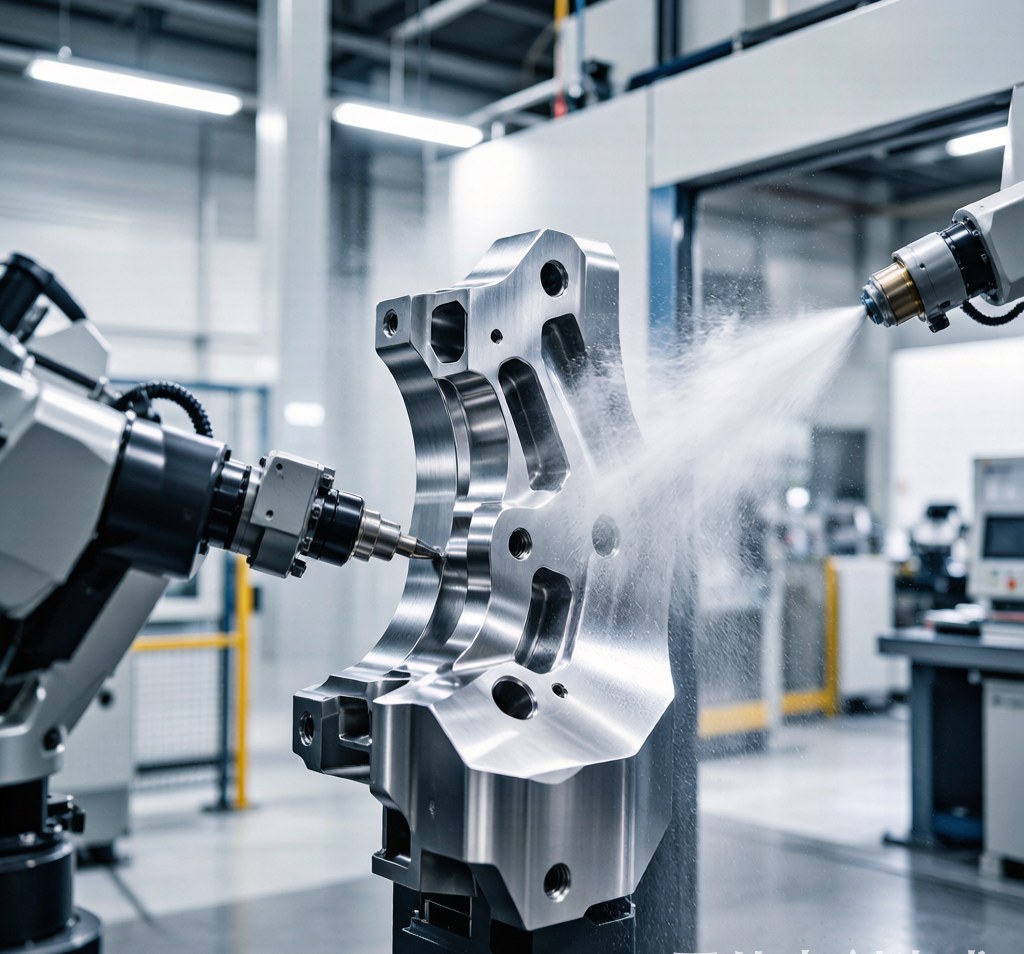
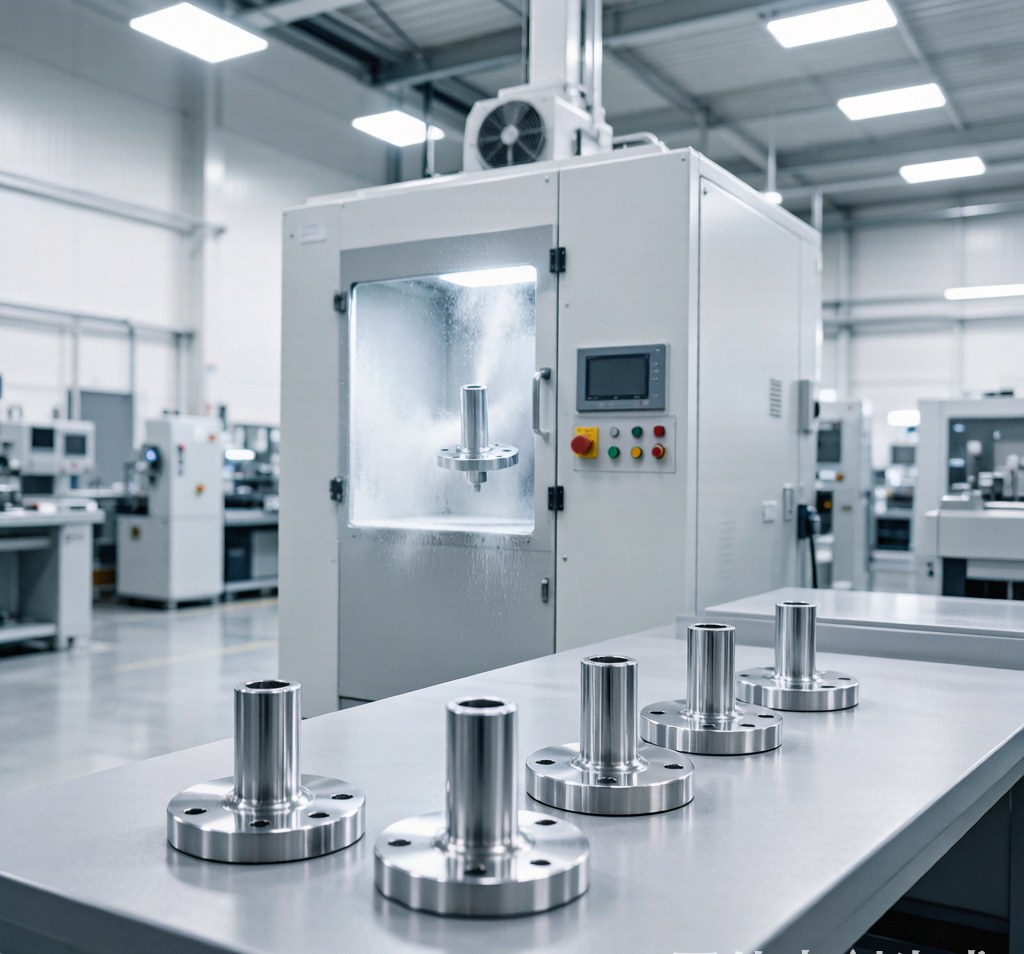
In a spray booth, liquid coating is applied in controlled passes and cured at a low temperature for a smooth film. We often prep by sandblasting; compare with powder coating for durability.
Wet Paint vs. Powder Coat
Wet paint suits thin films, low cure temperatures, and some plastics; powder wins on toughness. Choose wet paint when the part can’t take the oven or needs a special effect.
Materials We Paint
- Steel and aluminum—primed and top-coated.
- Some plastics—with adhesion promoters.
- Mixed-material assemblies—where powder won’t work.
Industries That Rely on Wet Painting
Machinery, consumer products, and architectural details use wet paint for flexible finishes.
How to Spec Your Wet Painting Job
- Choose coating type (primer, topcoat, two-pack).
- Define color and gloss.
- Set film thickness and layers.
- Note cure temperature limit.
- Flag masking of features.
- Share volume for line planning.
FAQ
Is it as durable as powder?
Generally less chip-resistant; we advise by use.
Can plastics be painted?
Yes, with the right primer.
Low cure available?
Yes—wet paint cures cooler than powder.
Why Choose Huaxiao for Wet Painting
Our wet painting service delivers smooth, flexible finishes with integrated prep. Send your drawing for a quote covering prep through cure.

