
Sand Casting vs Die Casting: How to Choose the Right Process
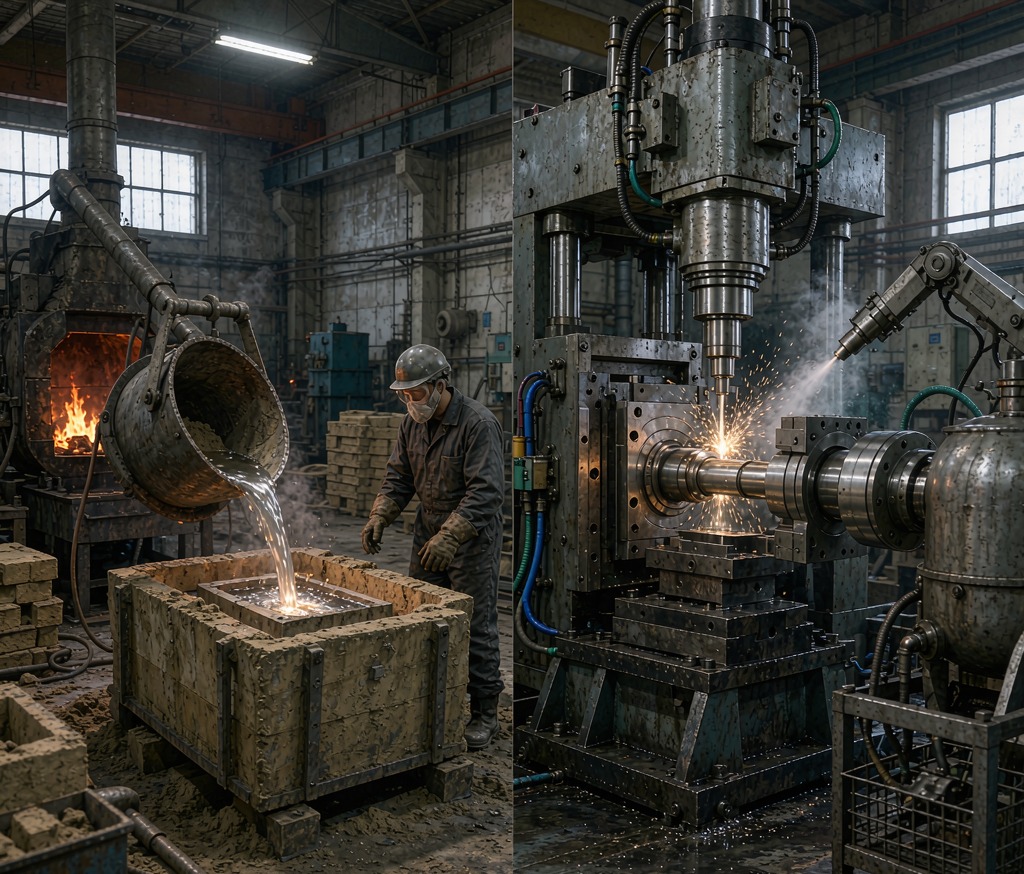
When you need a metal part produced at scale, the oldest question in procurement keeps coming back: sand casting or die casting? Both turn molten metal into a solid shape, but they differ so sharply in tooling cost, volume economics, material range and surface quality that picking wrong can add real money to every unit […]
Metal Finishing Services: A Complete Buyer’s Guide to Surface, Coating & Deburring Options
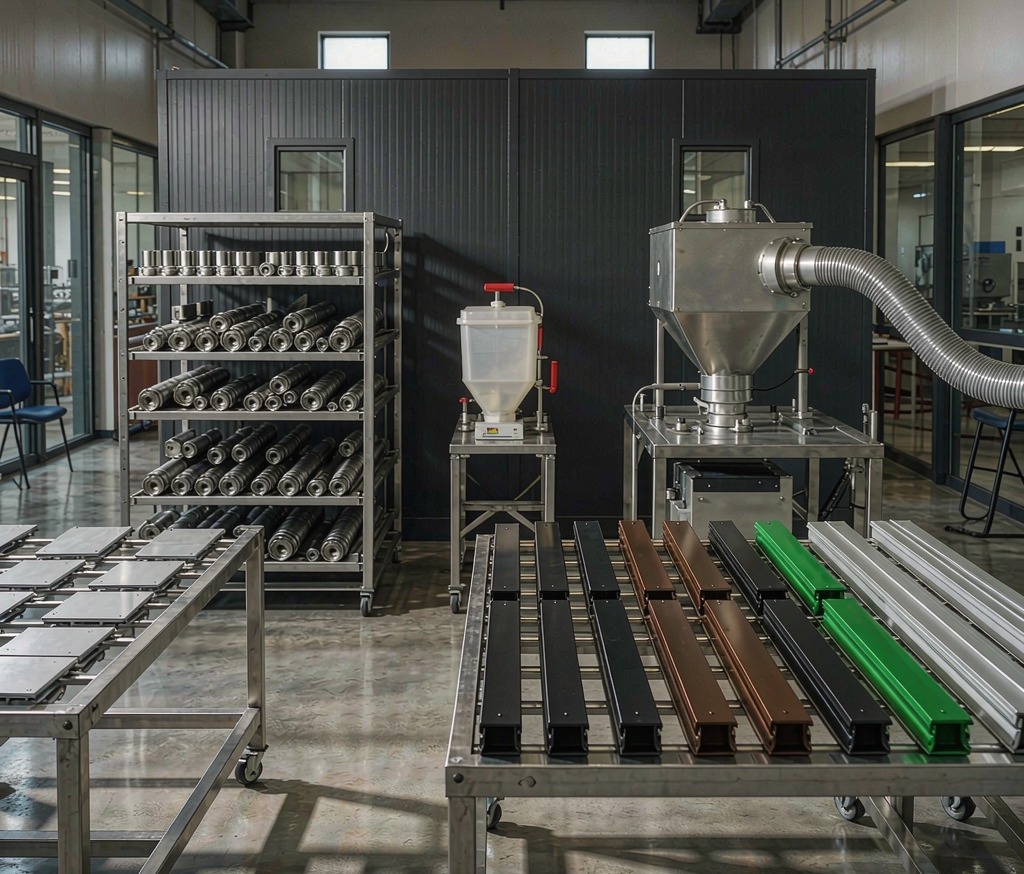
When you order custom metal parts, the raw machined, cast, or fabricated component is rarely the finished product. The final step—metal finishing—determines how the part looks, how it resists corrosion, how long it survives in service, and whether it meets industry or regulatory requirements. Too many procurement teams treat finishing as a late-stage add-on, only […]
LED & Lighting Metal Parts: Heat Sinks, Housings & Fixture Components
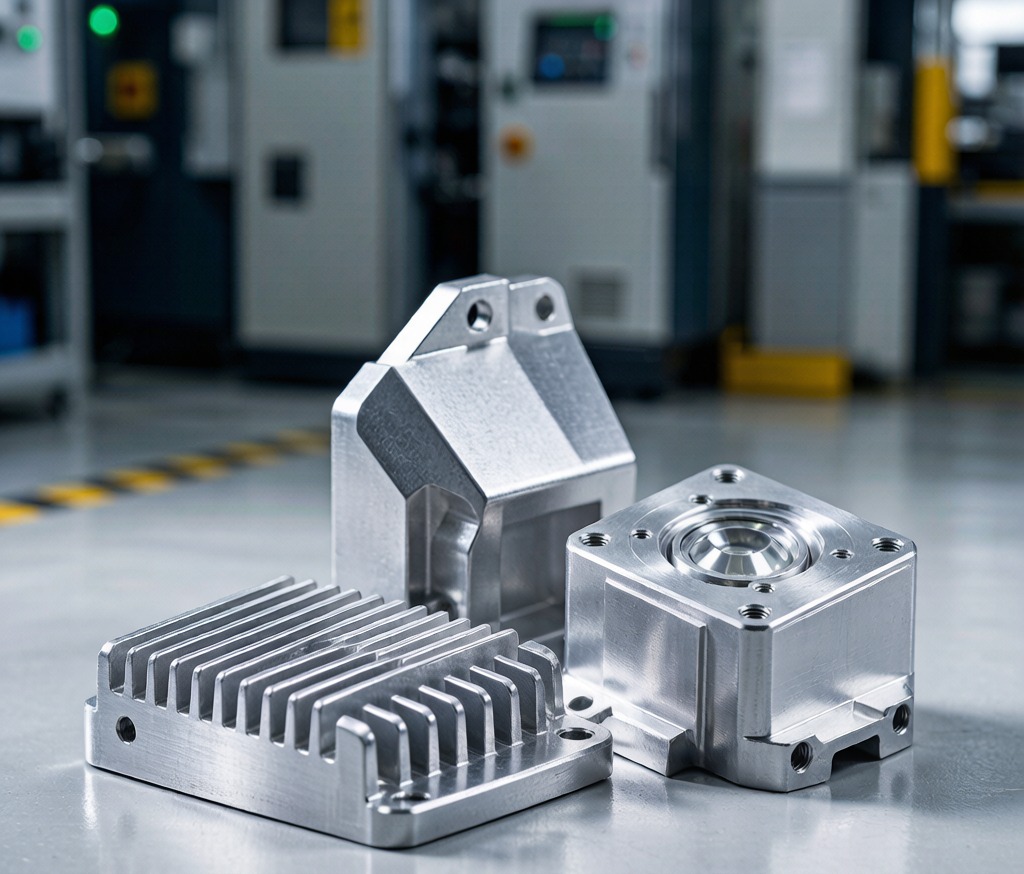
LED and lighting metal parts are where thermal physics meets industrial design—heat sinks that pull heat off a chip, housings that protect and aim the light, and brackets that mount the fixture and hold its angle. LEDs are efficient but unforgiving: run them a few degrees too hot and life collapses. This guide covers the […]
Building Hardware Metal Parts: Components for Construction & Architecture
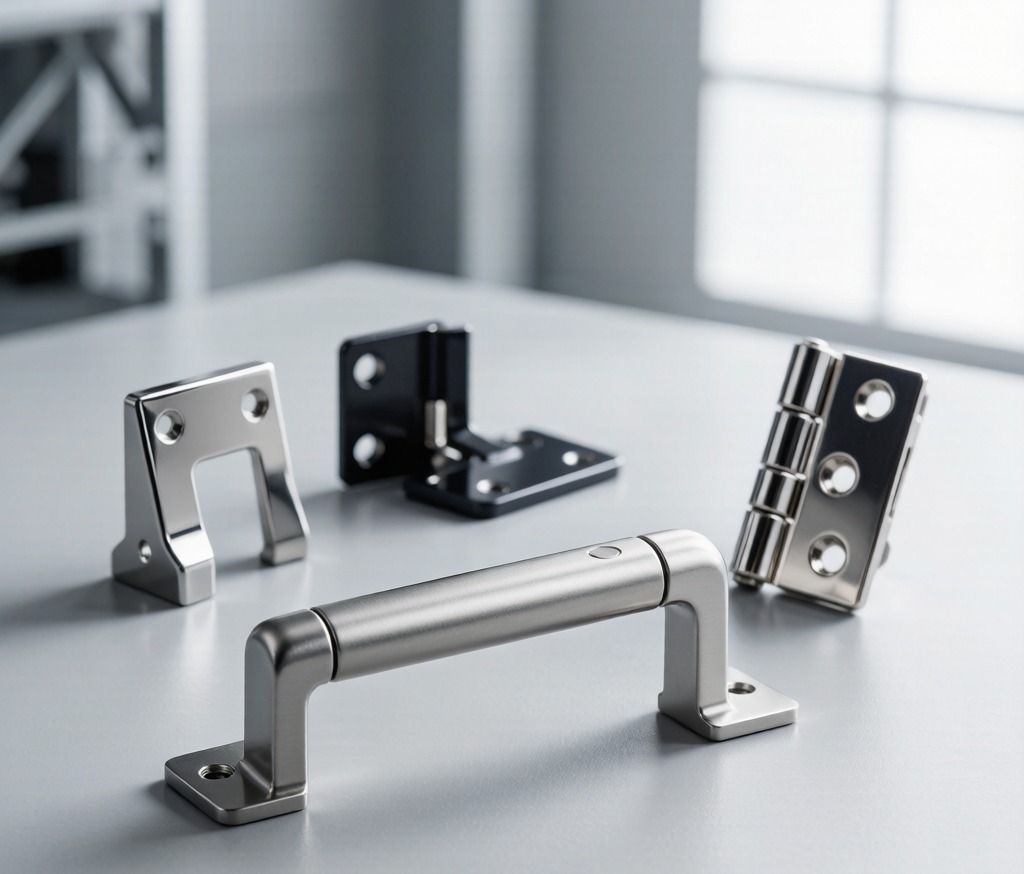
Building hardware metal parts are the components that let a structure go together, stay together, and look finished—handles and pulls, hinges, brackets, connectors, and architectural trims. They live outside for decades, get touched every day, and must survive weather, wear, and the occasional impact. This guide covers the hardware we make for construction and architecture, […]
Custom Metal Clips & Clamps: Types, Materials & Manufacturing
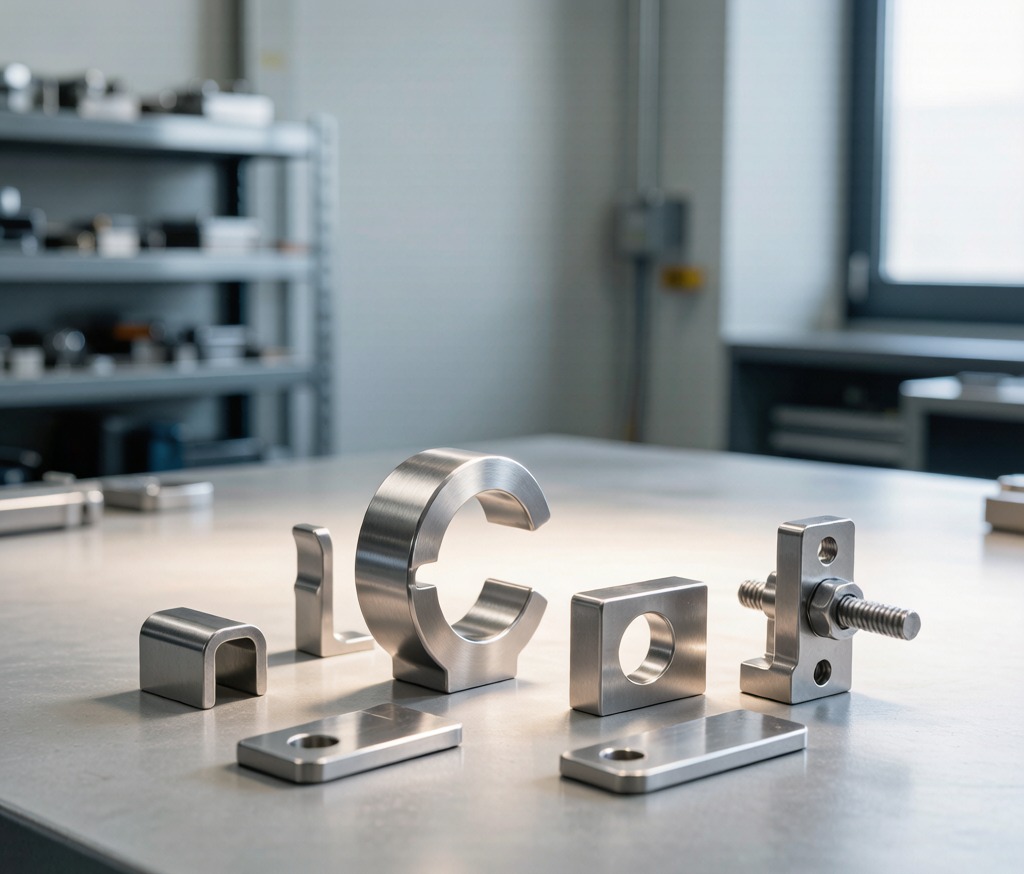
Custom metal clips and clamps are the snap, grip, and hold elements of almost every product—the retainer that keeps a panel on, the spring clip that seats a filter, the bracket clamp that holds a tube. They are usually small, produced in volume, and expected to work first time, every time, for years. This guide […]
Custom Metal Standoffs: Types, Materials & Sourcing Guide
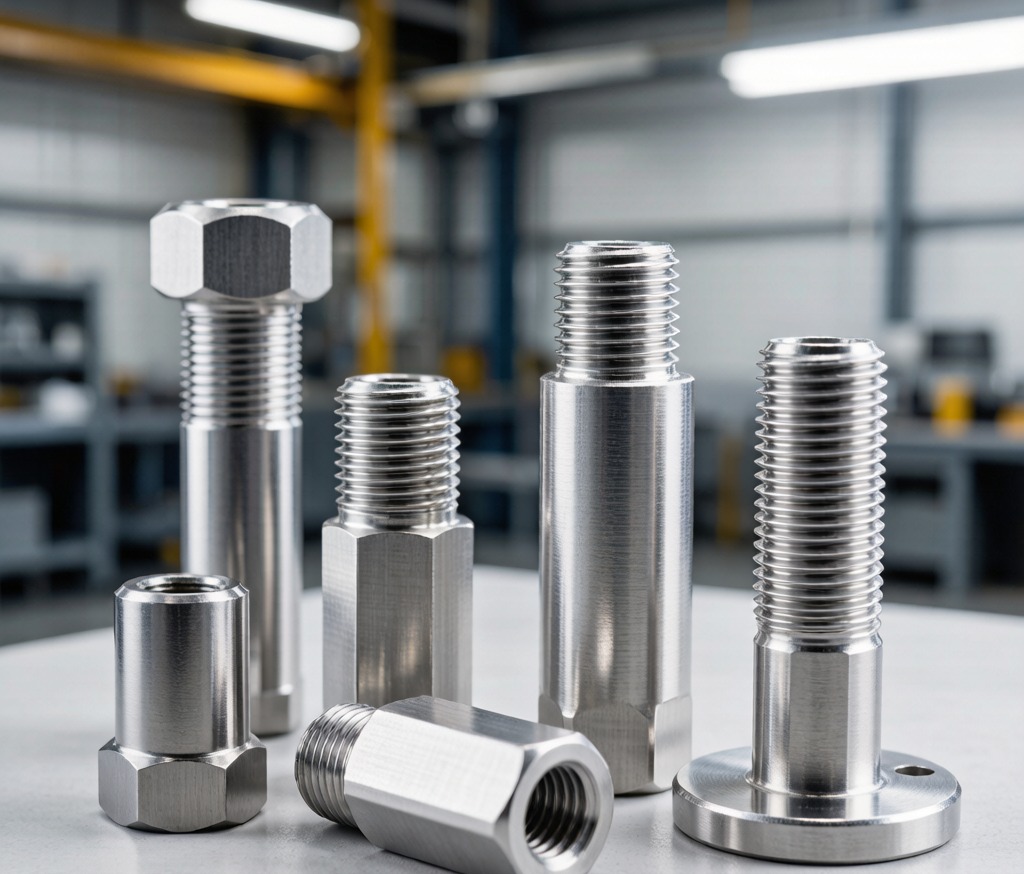
Custom metal standoffs are the small spacers that set the gap between a board and a panel, a panel and a chassis, or two assemblies that must stay parallel and insulated from each other. They are unglamorous and absolutely necessary: get the length wrong and nothing lines up; get the thread wrong and nothing fastens. […]
Electronics Metal Parts: Precision Components for Devices & PCBs
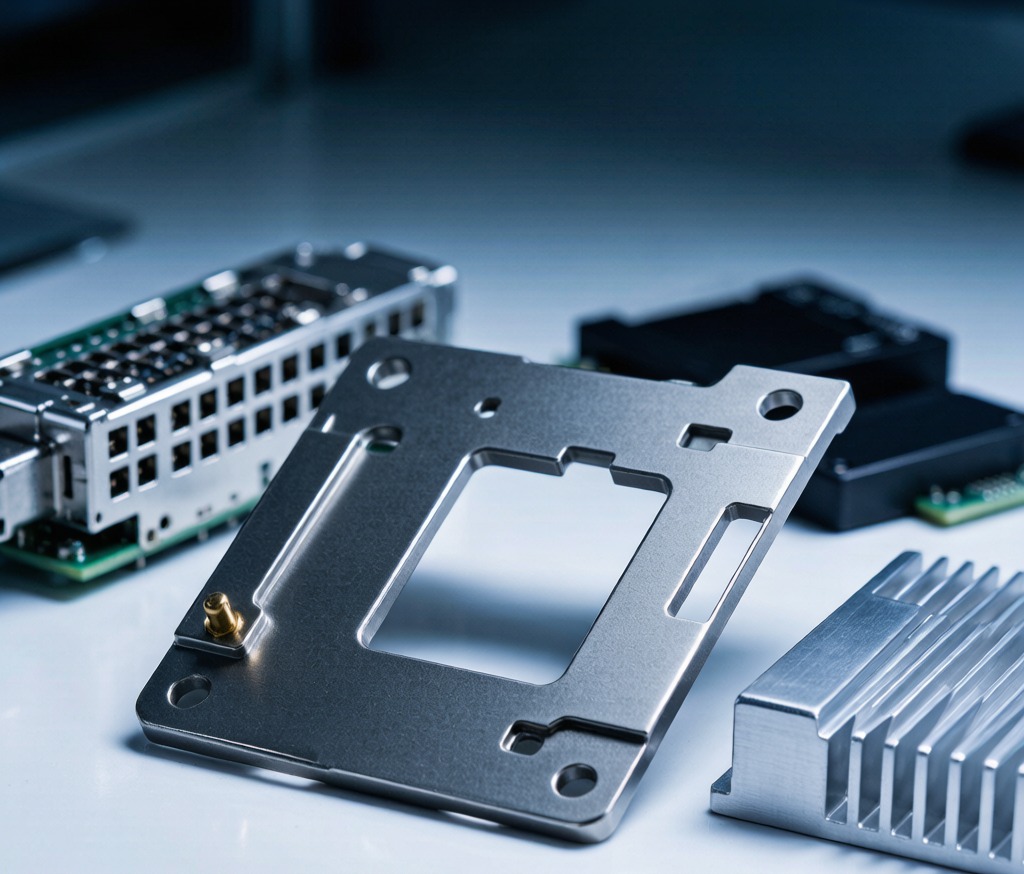
Electronics metal parts are the small, precise components that let a device stay cool, stay shielded, and stay assembled—EMI cans, connector frames, heat spreaders, stiffeners, and brackets that hold a board in its housing. They are usually thin, tightly toleranced, and made in volume, and a single burr or a tenth of a millimeter can […]
Telecom & 5G Metal Parts: Precision Components for Network Infrastructure
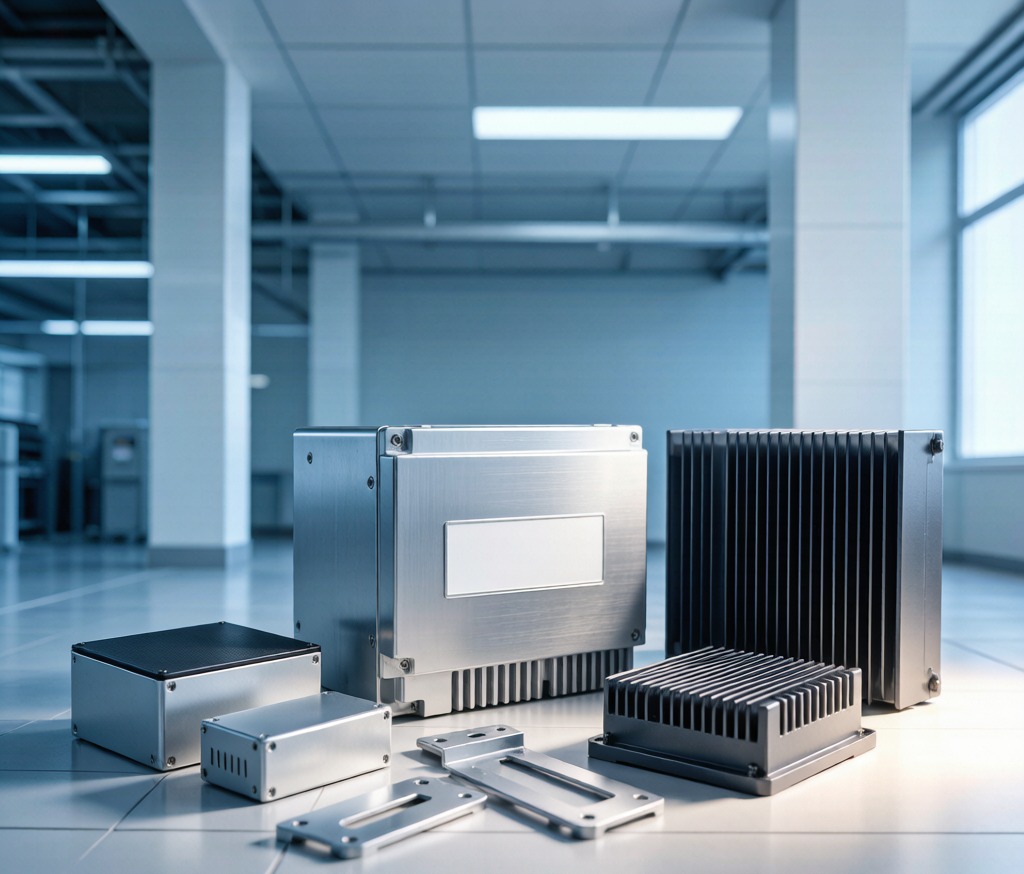
Telecom and 5G metal parts are the structural and thermal backbone of every base station, small cell, and data node—enclosures that weather the elements, heat sinks that keep silicon alive, brackets that aim an antenna, and shields that quiet the RF. As networks densify, these parts get smaller, tighter, and more numerous, and the margin […]
Metal Threaded Inserts: Types, Materials & Sourcing Guide
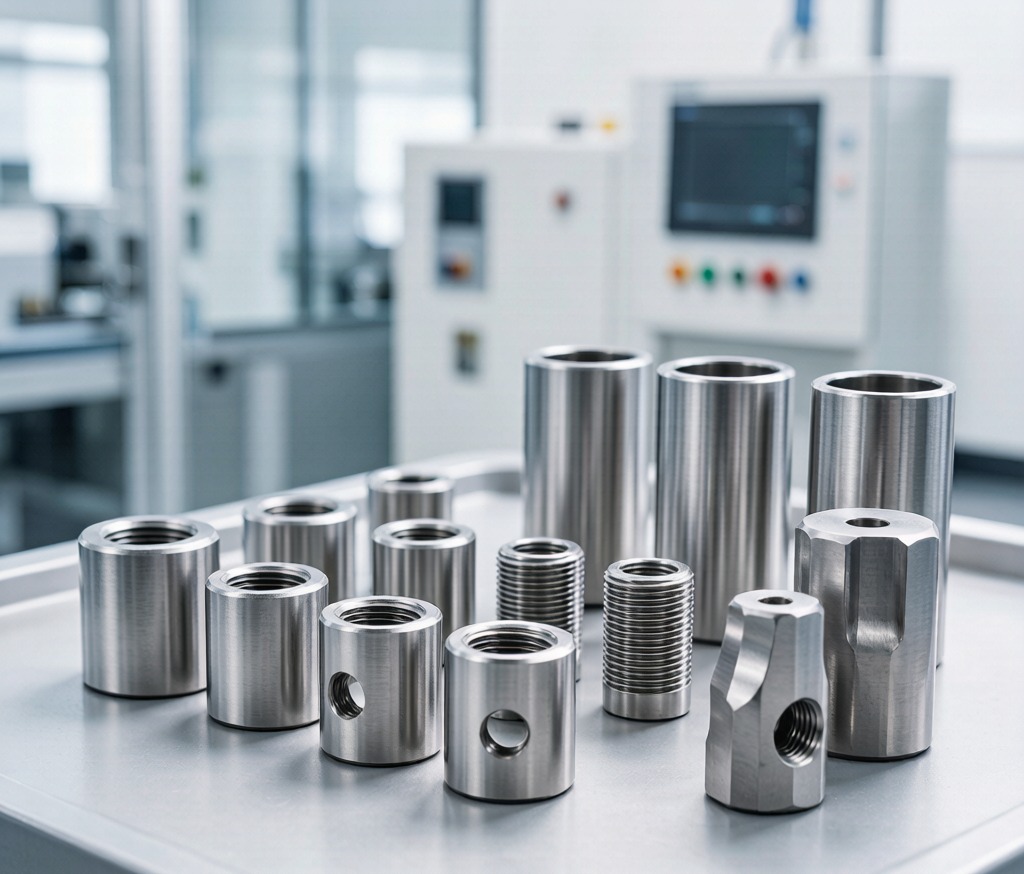
Metal threaded inserts are the quiet enablers of reusable, strong threads in materials that cannot hold a thread on their own—soft metals, plastics, and thin sheet. They let a molded or cast part accept repeated bolting without stripping, and they upgrade a weak parent material to a durable metal thread. This guide covers the insert […]
Custom Metal Pipe Fittings: Types, Materials & Sourcing Guide
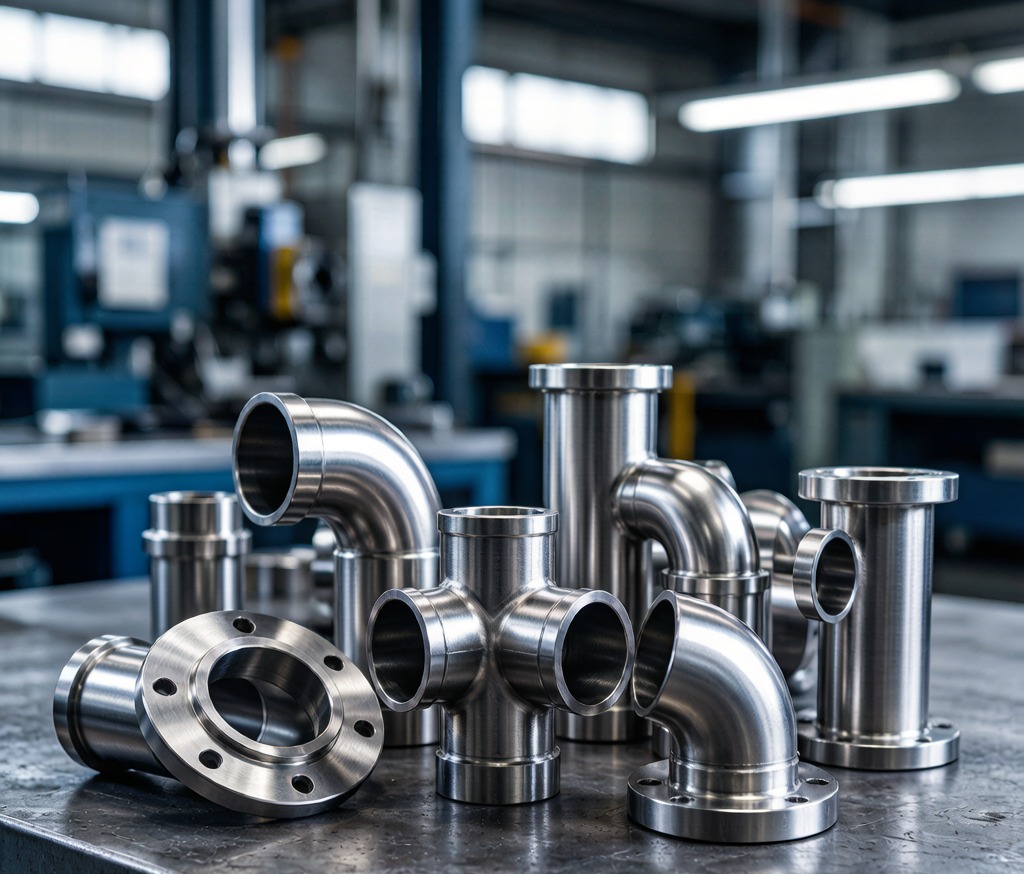
Custom metal pipe fittings are the connectors that decide whether a fluid or gas system holds pressure, resists corrosion, and assembles without leaks on the first try. From a simple threaded elbow to a cast manifold branch, the fit between mating faces and the integrity of the thread or weld prep determine the whole line’s […]

