
MIG Welding Services: Fast, Strong Production Welds
MIG welding (GMAW) feeds a consumable wire through a shielding gas to join metal fast and with good penetration—the high-throughput choice for fabrication. For structural and production welding, it’s hard to beat for speed. This guide covers how it works, when to choose it, the materials, and how to spec your job.

How MIG Welding Works
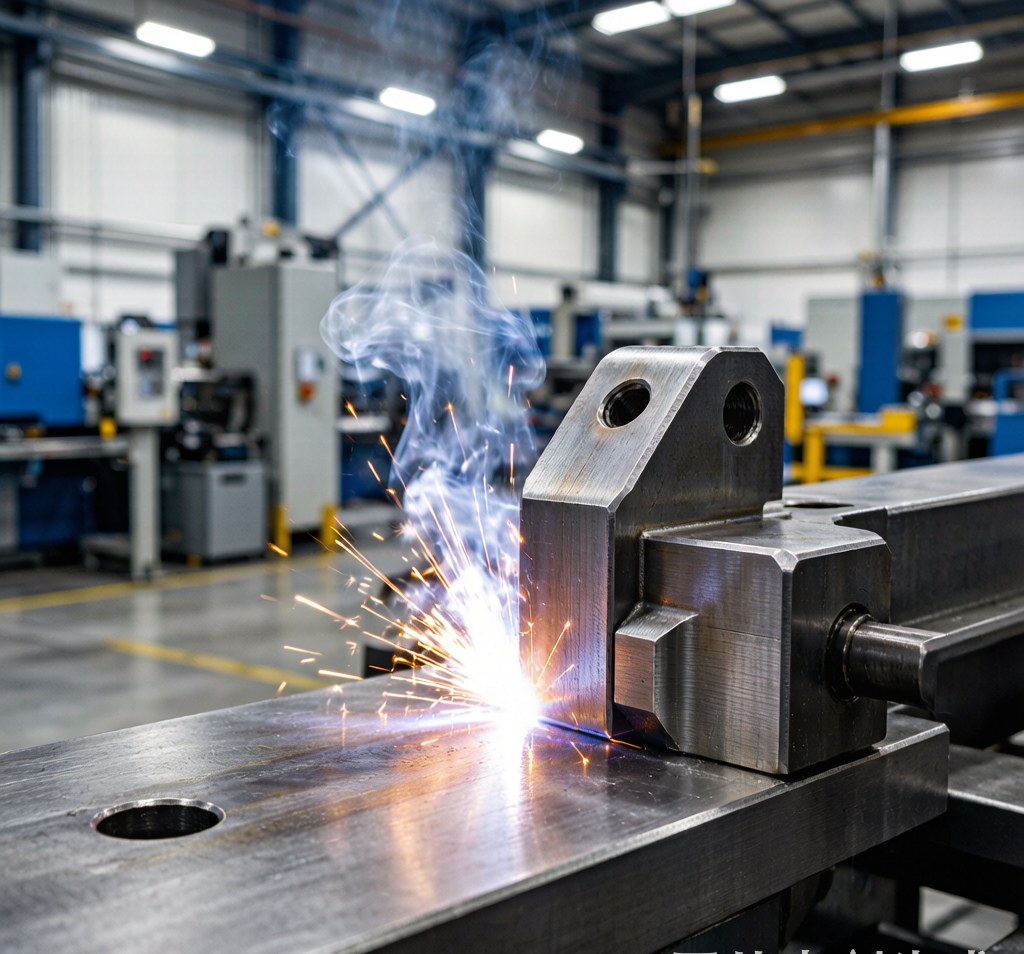
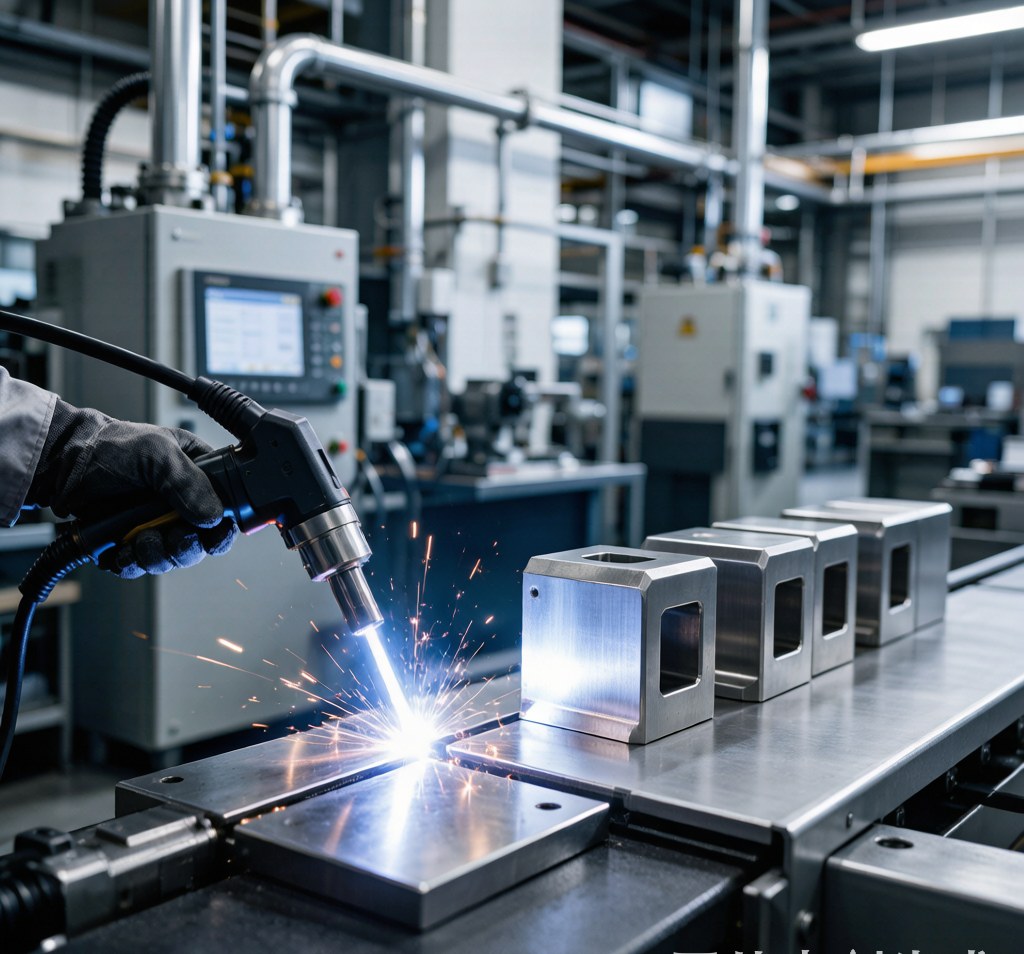
A continuous wire electrode feeds through the torch while shielding gas (argon/CO2) protects the pool; the bright arc lays a fast, strong bead. We often weld parts after CNC bending and machining.
MIG vs. TIG Welding
TIG gives finer, spatter-free welds on thin and exotic metals; MIG is faster and cheaper for production steel and aluminum. Choose by material and volume.
Materials We MIG-Weld
- Carbon and stainless steel—structural and frames.
- Aluminum—with the right gas and wire.
- Thick sections—where penetration matters.
Industries That Rely on MIG Welding
Structural fabrication, automotive, and machinery all use MIG for productive joints.
How to Spec Your MIG Welding Job
- State the material and thickness.
- Define the joint type (butt, fillet, lap).
- Provide weld symbols and sizes.
- Set inspection level (visual, dye, X-ray).
- Note any distortion control needed.
- Share volume for fixturing.
FAQ
How strong is the weld?
Full-penetration MIG matches base metal strength.
Is there spatter?
Some; we clean as needed.
Can it weld aluminum?
Yes, with correct gas and technique.
Why Choose Huaxiao for MIG Welding
Our MIG welding service delivers fast, strong joints with integrated fabrication. Send your drawing for a quote covering weld through finish.

