
Precision Sheet Metal Fabrication: A Buyer’s Guide to Tolerances, Process & Cost
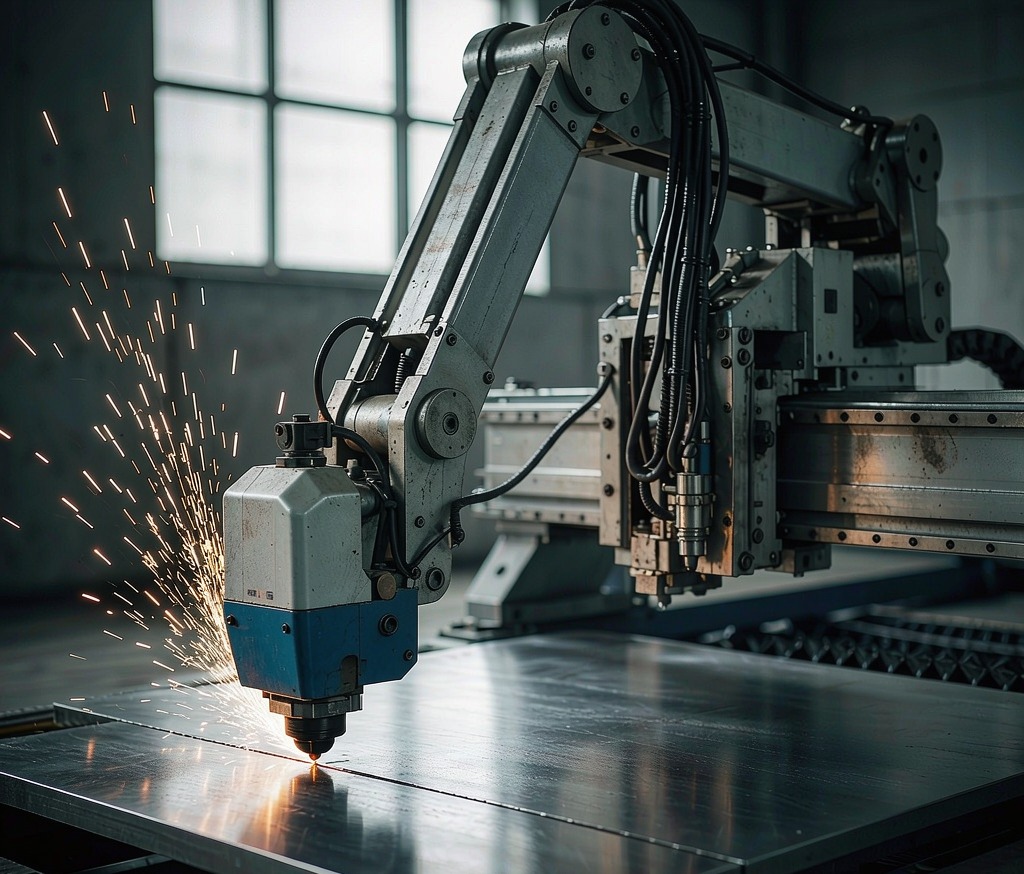
Precision sheet metal fabrication turns flat coils and plates into functional enclosures, brackets, and structural parts used across electronics, medical, automotive, and energy equipment. For buyers, the difference between a good and a bad fabrication partner shows up long before production — in how they control tolerances, springback, weld distortion, and finishing. This guide covers […]
Sheet Metal Enclosure Fabrication: A Buyer’s Guide to Custom Enclosures
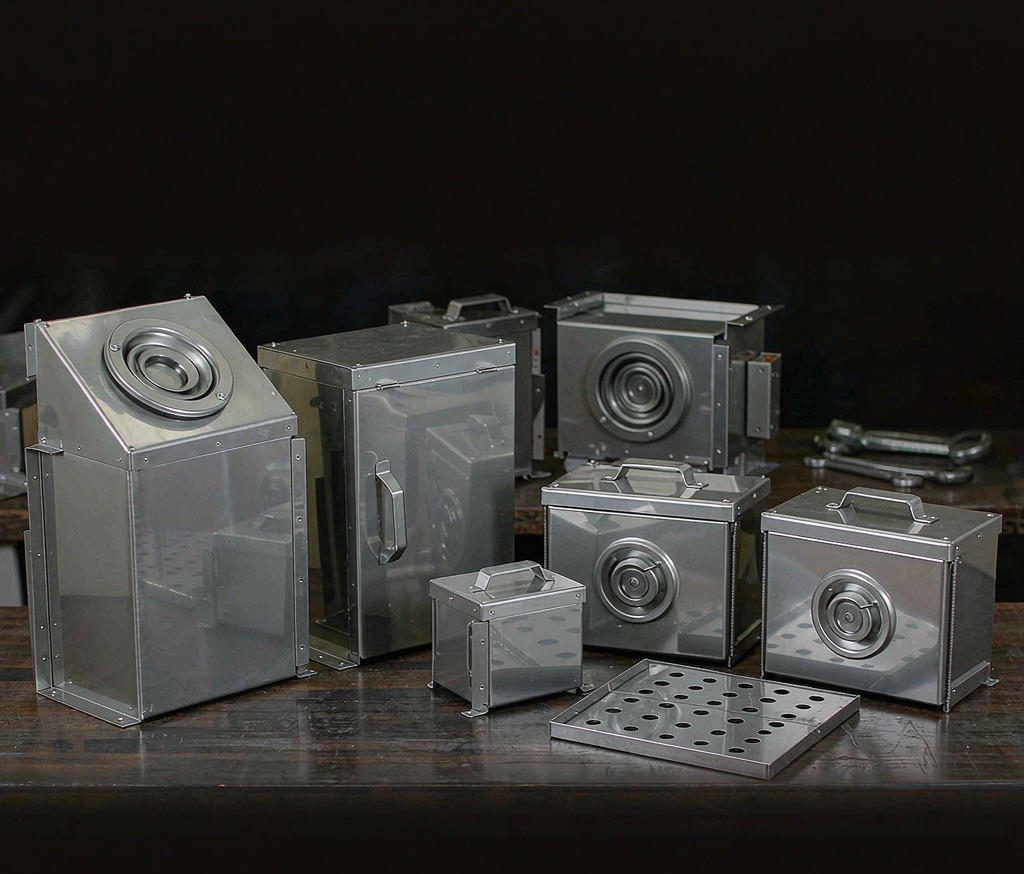
A sheet metal enclosure is far more than six panels screwed together. It is a functional structure that must protect electronics, align with mating parts, seal against dust or water, survive shipping, and still look professional when the customer opens the door. Getting sheet metal enclosure fabrication right means treating the enclosure as a system […]
Heat Exchanger Metal Parts: Plates, Tubes, Tubesheets & Headers
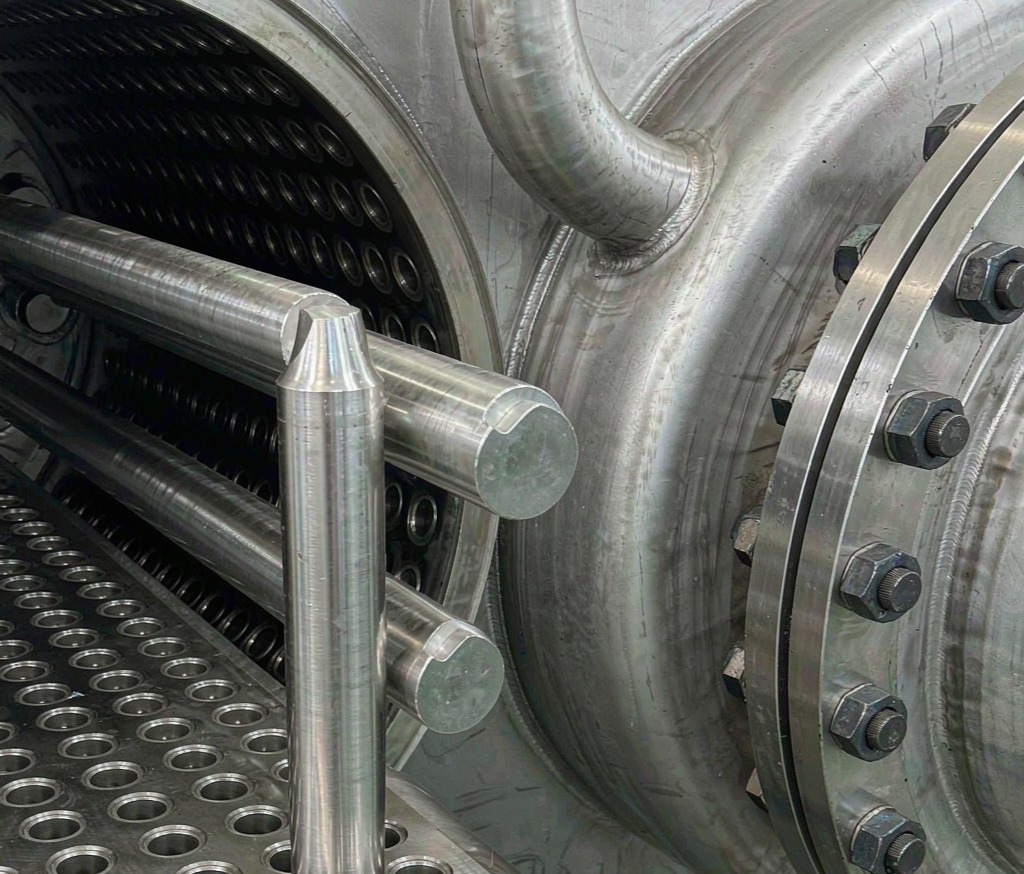
Heat exchangers move energy, and the metal parts inside them—tubes, tubesheets, plates, and headers—decide how efficiently and how long they do it. In power generation, petrochemical, marine, and HVAC systems, those parts face corrosion, pressure, and thermal cycling that punish poor material choices and sloppy fabrication. This guide covers the components, the fabrication methods, and […]
CNC Machining vs Laser Cutting: Which Fabrication Method Wins?
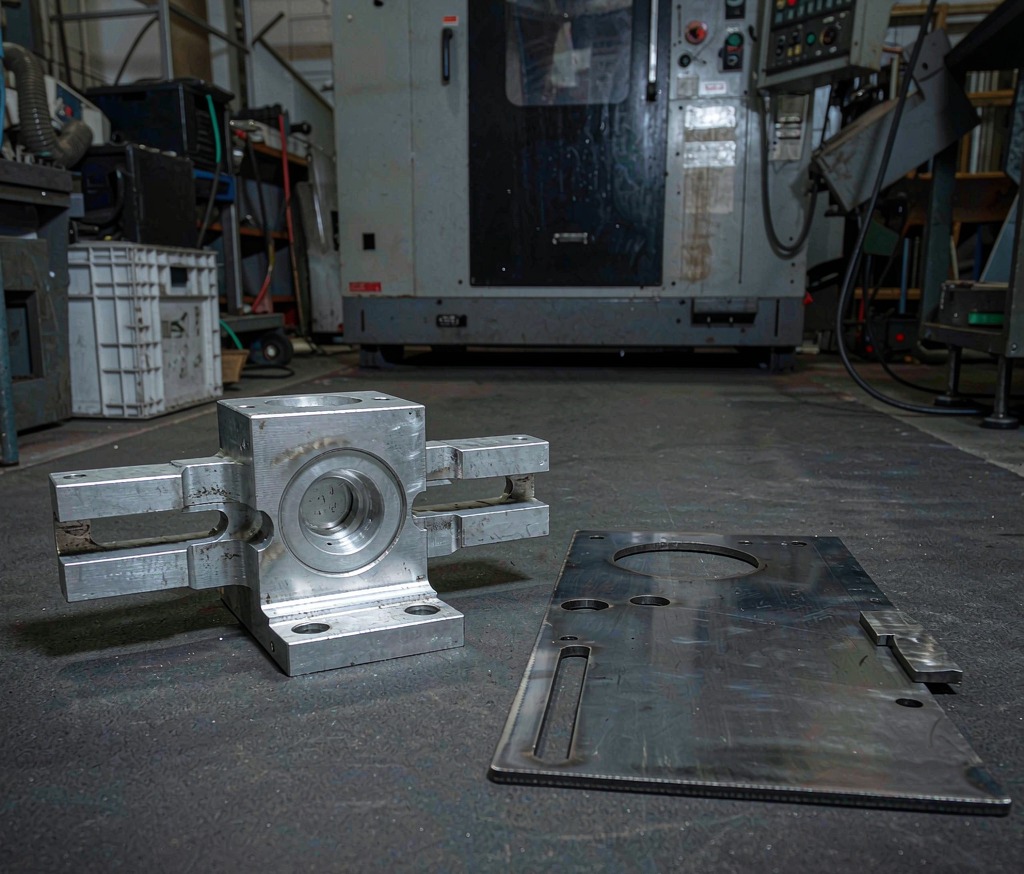
Both CNC machining vs laser cutting turn stock into finished metal, but one is 3D subtraction and the other is 2D profiling. Picking wrong means paying for capability you do not need — or missing capability you do. Here is the clean comparison so you can route a flat plate and a machined block to […]
Sheet Metal Design Guide: Bend Radius, K-Factor, and Holes That Fabricate Cleanly
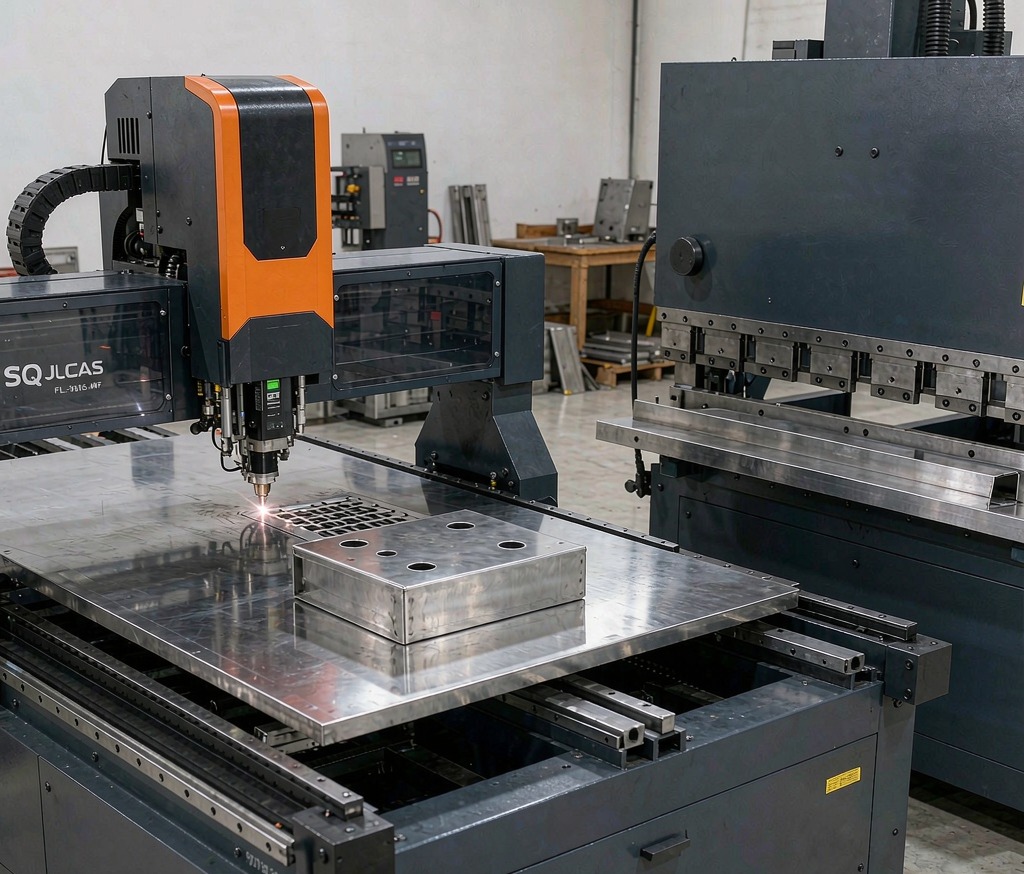
Sheet metal is the fastest route to lightweight enclosures, brackets, and panels, but bend allowance and hole placement decide whether the first part comes out right. A handful of rules keep parts flat before bending and true after: bend radius, K-factor, hole spacing, and material choice. This sheet metal design guide covers the rules that […]
Custom Metal Yokes: Fabricated and Machined for Load-Bearing Assemblies
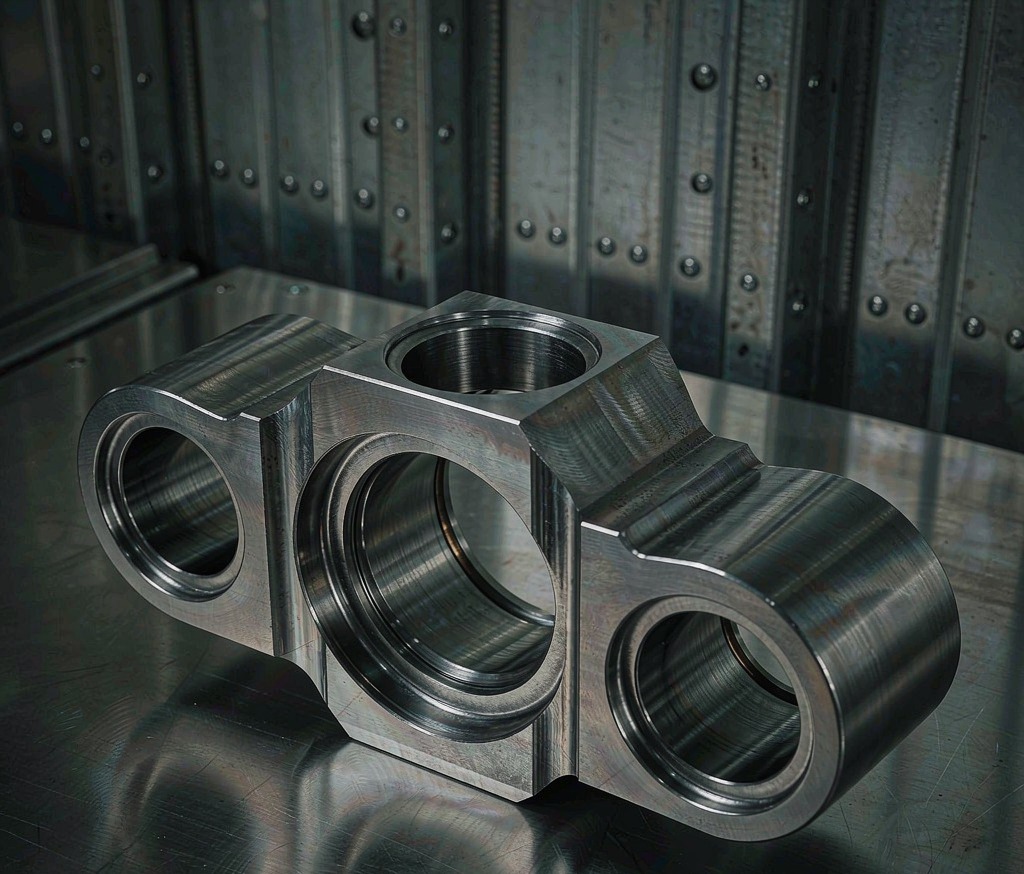
A yoke is the quiet workhorse of any pivoting or lifting assembly—it connects a rod to a clevis, anchors a shaft, or carries a load across a gap. Because custom metal yokes often sit in the load path, their bores and welds have to be right the first time. This guide covers how we fabricate […]
Construction Metal Parts: Fabrication for Builders and OEMs
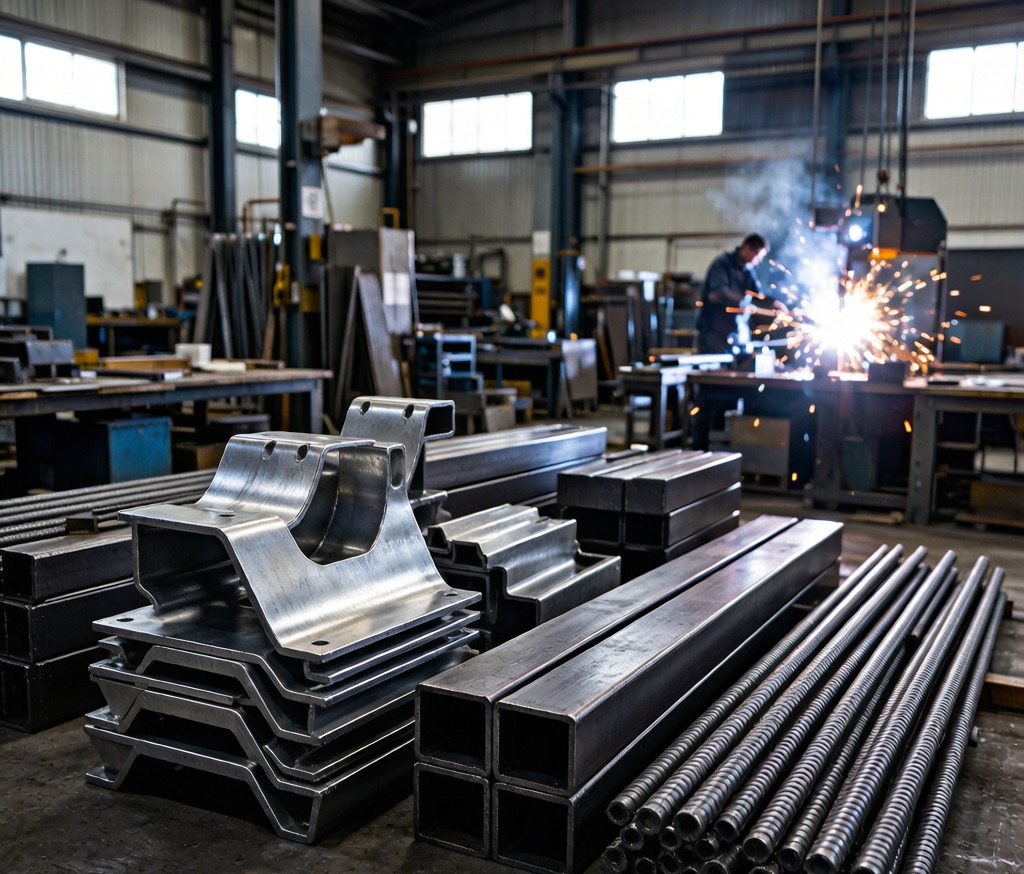
Construction metal parts are the quiet backbone of every building, facade, and structural system—brackets that hang a curtain wall, connectors that tie a frame, and plates that spread a load. They have to be strong, consistent, and corrosion-ready for decades outside, often in high volume at a price a project can absorb. This guide covers […]
Custom Metal Hinges: Stamping, Machining, and Fabrication Guide
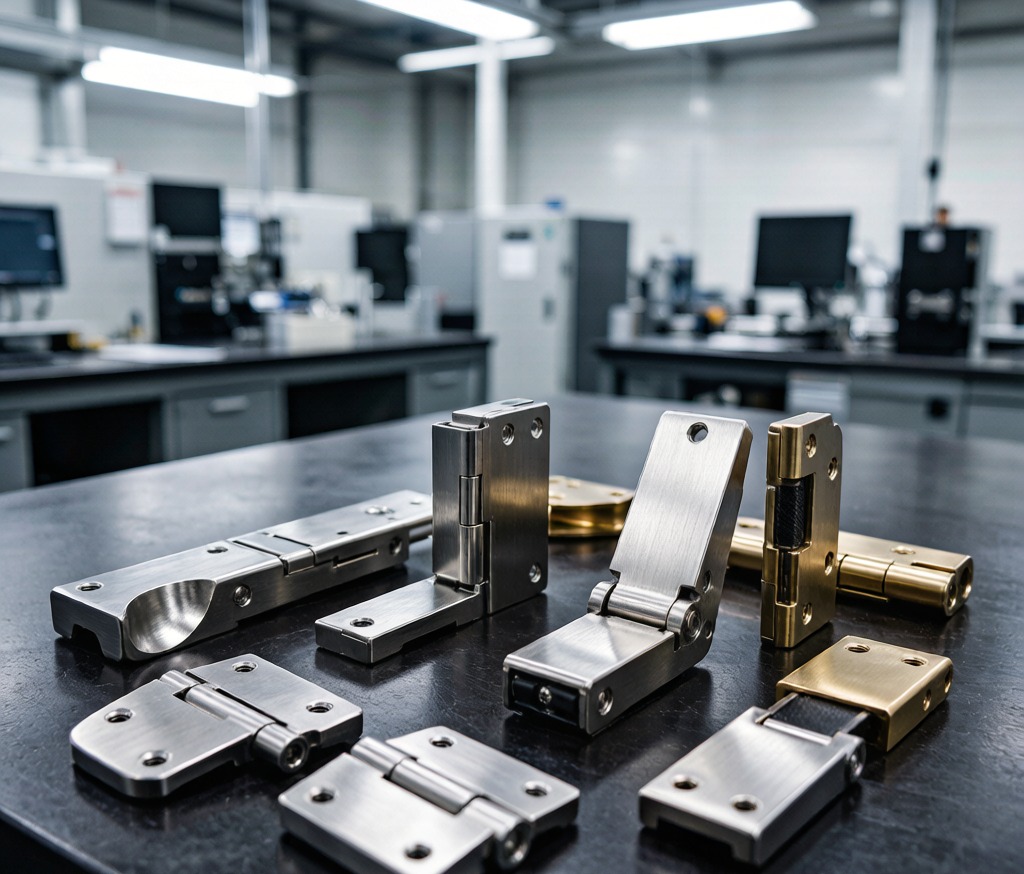
A hinge looks trivial until it has to carry a heavy door ten thousand times without sagging, binding, or rusting. Custom metal hinges are everywhere—industrial enclosures, agricultural equipment, medical panels, and furniture—and the right way to make them depends entirely on volume, load, and look. This guide covers stamping, machining, and fabrication so you can […]
Perforated Metal Services: Patterns, Processes, and Applications
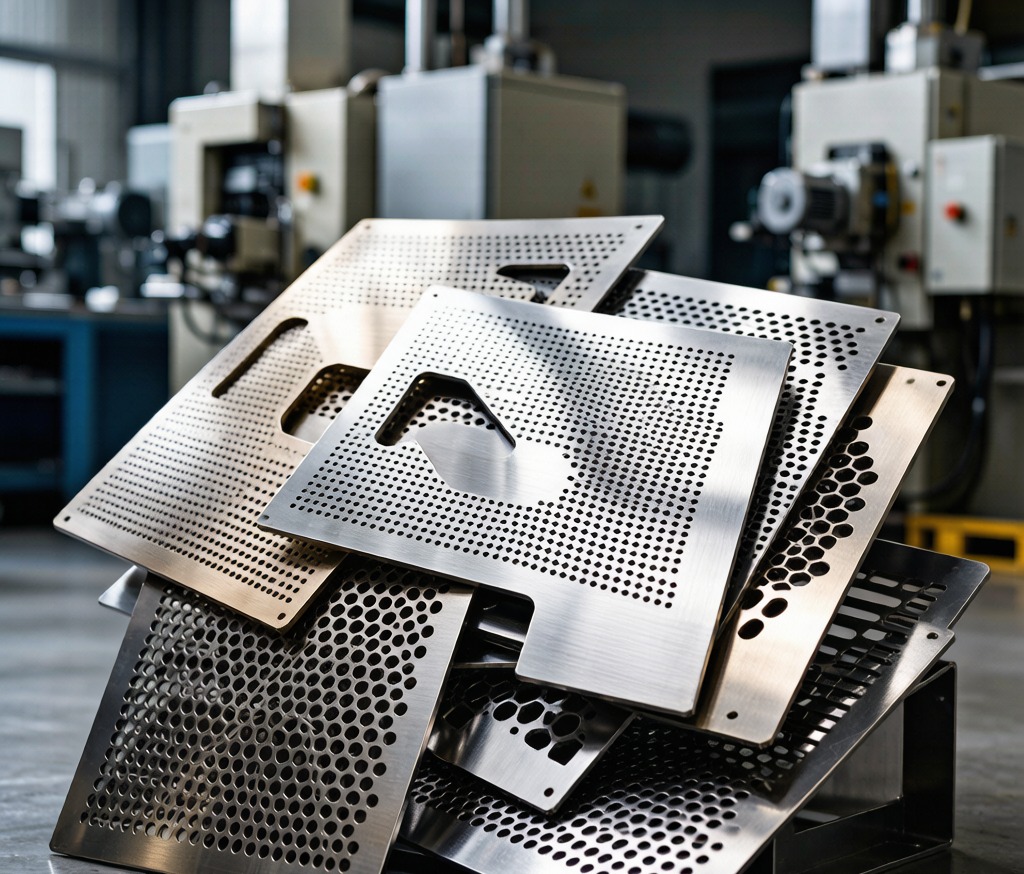
Perforated metal services transform plain sheet into panels that vent, filter, diffuse light, or simply look right. By punching or cutting a repeating hole pattern, perforated metal keeps most of its strength while shedding weight and adding function. The pattern, open area, and process choice decide both cost and performance of the final part, so […]
Food Grade Metal Parts: Hygienic Stainless for Processing Equipment

Food grade metal parts have one non-negotiable job: stay clean and stay inert. In a food line, a rough weld or a corroding surface is a bacterial harbour and a recall risk that can close a line for a week. Stainless steel solves most of this, but only if the grade, finish, and passivation are […]

