
Laser Cutting Services: Fiber, CO2, Tube, and Bevel Compared
Laser cutting services turn flat and tubular metal into precise profiles at speed, with burr-free edges and no tooling. But “laser cutting” is not one thing—fiber, CO2, tube, and bevel machines each fit different jobs. This guide compares them so you pick the right method and brief a shop that delivers.

Fiber vs. CO2
Fiber lasers are fast and efficient on reflective metals—steel, stainless, aluminum, brass—and are the default for most sheet today. CO2 lasers still shine on thicker non-metal and some acrylic work but are slower on metal. Our laser cutting cell is fiber-first.
Tube and Bevel Cutting
Tube lasers cut rounds, squares, and profiles with holes and miters in one setup—no sawing and drilling. Bevel lasers angle the cut for weld prep, saving a grinding step. Both fold into our sheet metal and welding flow.
Materials and Thickness
Fiber handles steel to ~25 mm, stainless and aluminum to similar ranges, thinner faster and cleaner. Edge quality (HAZ, dross, taper) is excellent versus plasma. Pair cut blanks with bending and punching.
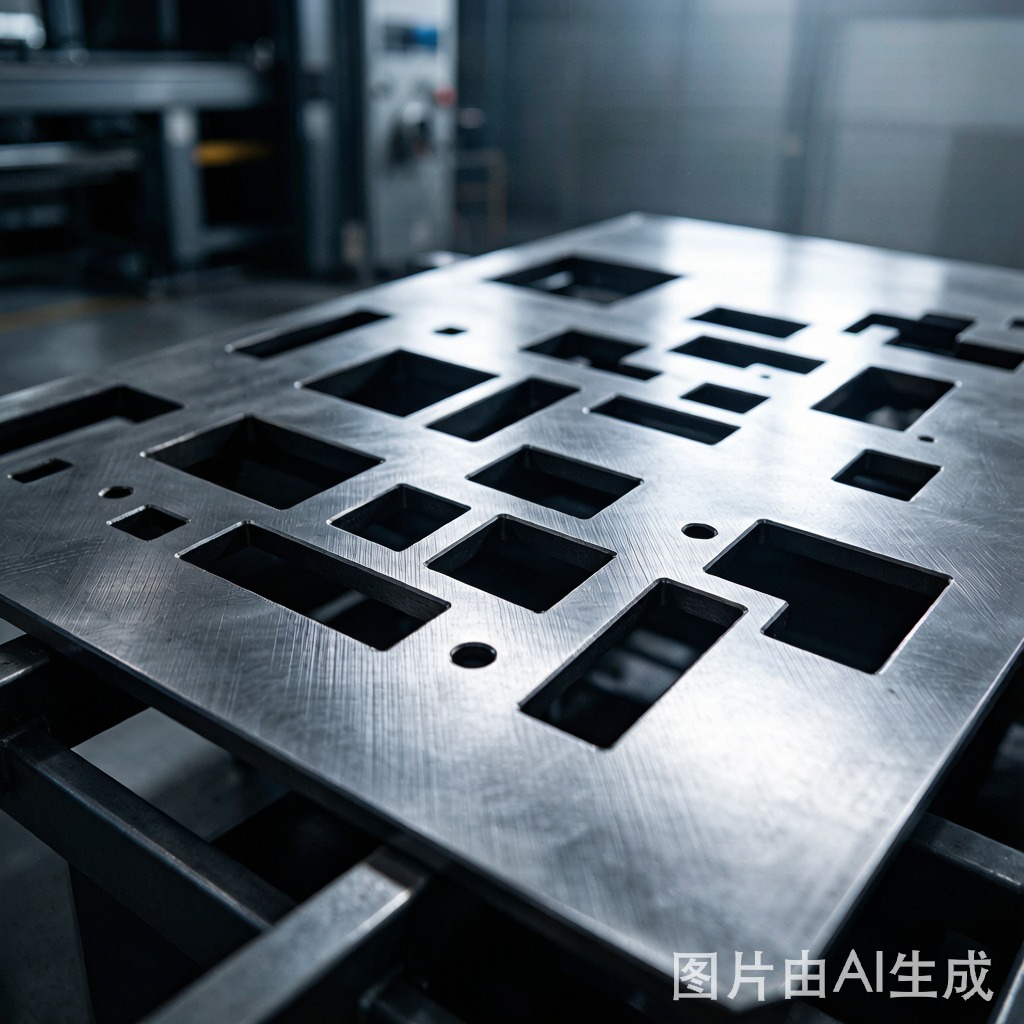
Tolerances and Edge Quality
Typical ±0.1–0.2 mm with smooth, dross-free edges that need little deburring. Fine holes and slots are possible down to material-dependent minimums. For thick or heat-sensitive stock, plasma or waterjet may be alternatives.
How to Spec a Laser Job
- Send a DXF or STEP with material and gauge.
- State quantity to choose laser vs. punch.
- Call out critical holes and slots.
- Note any bend or weld steps downstream.
FAQ
Fiber or CO2?
Fiber for metal sheet; CO2 for thick non-metal.
Can you cut tube?
Yes—tube laser with holes and miters.
What finish after cutting?
Usually none; optional deburr, coat, or weld.
Why Choose Huaxiao for Laser Cutting
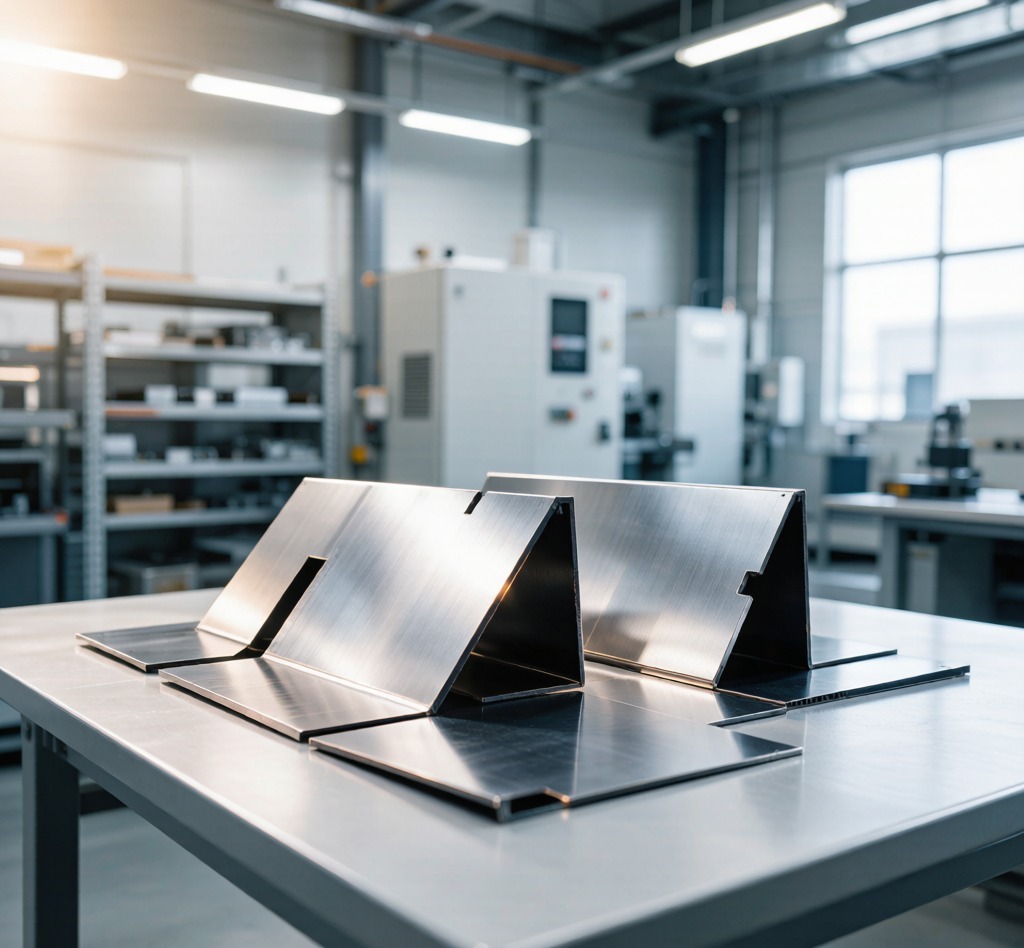
Our laser cutting service spans fiber, tube, and bevel, integrated with bending, welding, and finishing. See sheet metal fabrication and metal stamping for the full chain. Upload your file for a build-ready quote.

