
If your part has curves, angles, or features on more than one face, the 3-axis vs 5-axis CNC machining decision shapes your cost, tolerance, and lead time more than almost any other choice. Both are subtractive processes that cut metal with a spinning tool, but the number of simultaneously controlled axes changes what geometry you can reach and how many setups you need. Here is how to decide which one your project actually requires.
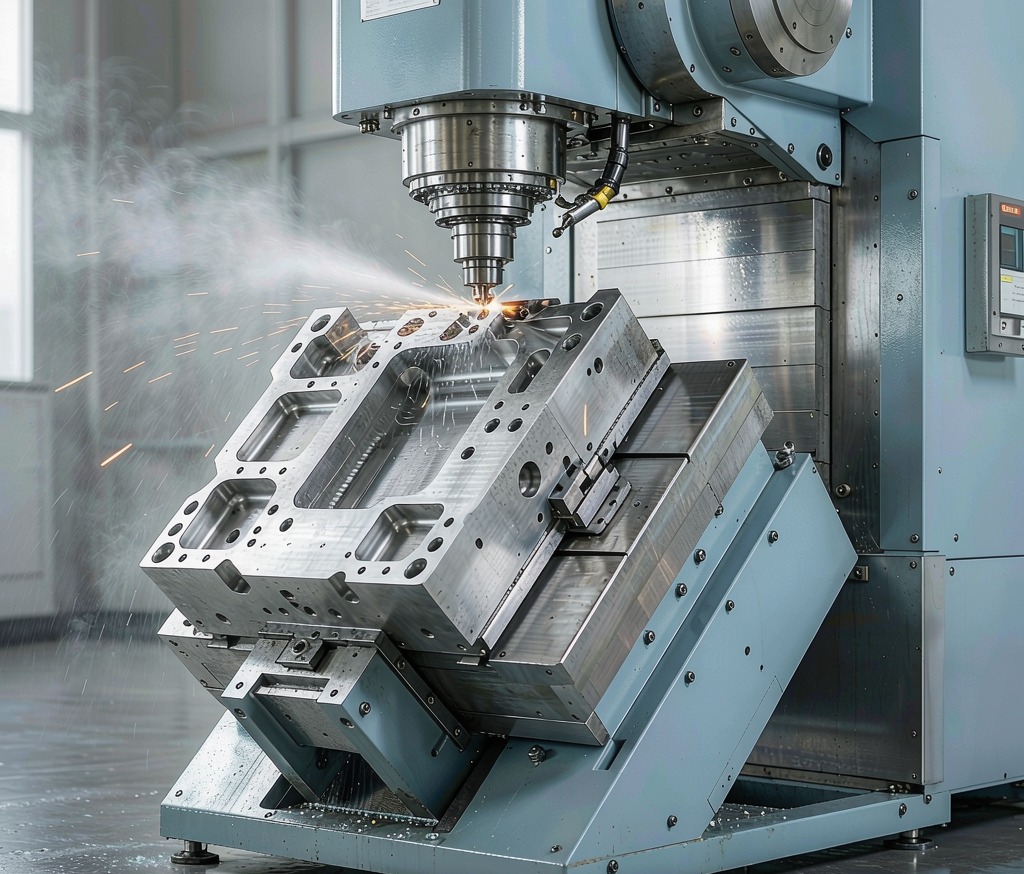
What 3-Axis Machining Does Well
A 3-axis CNC machining center moves the tool along X, Y, and Z while the part sits fixed. That is perfect for flat plates, prismatic blocks, pockets, and holes that all face one direction. It is the workhorse of the industry: fast to program, cheap to run, and extremely capable for the majority of machined parts. If your features live on a single plane, 3-axis is almost always the economical answer.
What 5-Axis Machining Unlocks
A 5-axis CNC machining center adds two rotary axes so the tool or table can tilt during the cut. That lets a single setup reach undercuts, compound angles, and deep cores that would otherwise need multiple repositions. It is the standard for impellers, turbine blades, orthopedic implants, and any part where a tilted tool shortens the cutting lever and improves finish.
Setup Count Drives the Real Cost
The headline price difference between the two processes is real, but the hidden cost is setups. Every time you flip or re-fixture a part you add labor, risk, and tolerance stack-up. A part that takes three 3-axis setups may take one 5-axis setup. Our 5-axis CNC machining services routinely collapse multi-setup jobs into a single chucking, which often makes 5-axis cheaper at the program level even with a higher hourly rate.
Tolerance and Surface Finish
Fewer setups mean fewer datums and less accumulated error. 5-axis also keeps the tool at a consistent angle to the surface, producing a more uniform finish on contoured geometry. For the trade-offs in tolerances by process, our CNC machining tolerances guide compares achievable limits and shows where 5-axis pays off in positional accuracy.
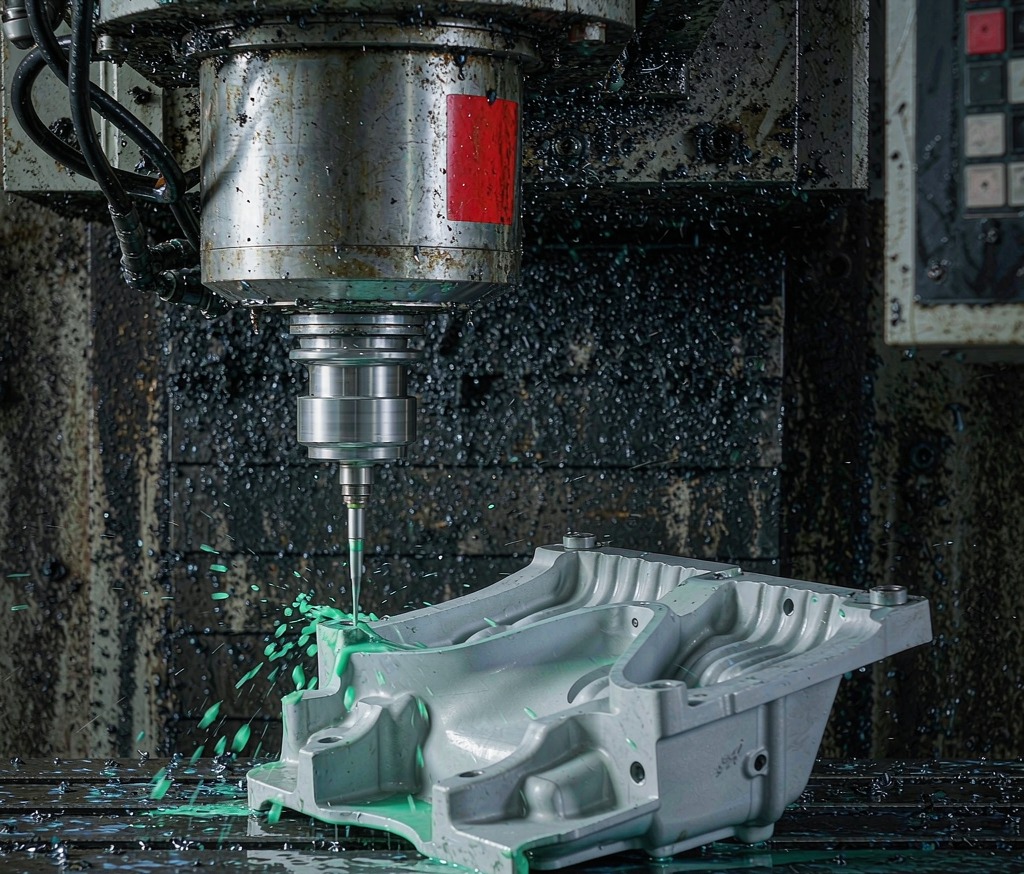
When 3-Axis Is the Smart Choice
If your part is essentially flat or box-shaped with features on one or two parallel faces, 3-axis wins on speed and price. High-volume brackets, plates, and housings rarely need the extra axes. Our 4-axis machining is a useful middle ground when you need indexed rotation around one axis without full simultaneous 5-axis cost.
When 5-Axis Earns Its Premium
Choose 5-axis when the part has compound angles, deep cavities, tight concentricity between non-parallel features, or when eliminating setups protects a critical tolerance. Complex CNC milling work in aerospace, medical, and energy applications almost always justifies it. The CNC machining cost guide frames this as a setup-reduction problem rather than a rate problem.
Programming and Lead Time
5-axis programming is more demanding and the machines are scarcer, so lead times can be longer if capacity is tight. Plan ahead for complex work and share the full 3D model early so toolpaths can be optimized. Good CAD and clear tolerances let us shorten both programming and machining time.
Frequently Asked Questions
Is 5-axis always better than 3-axis?
No. For flat or prismatic parts, 3-axis is faster and cheaper. 5-axis earns its premium only when geometry or tolerance would otherwise require multiple setups.
Does 5-axis improve accuracy?
Indirectly, yes. By reducing setups it removes the largest source of accumulated error—re-fixturing—and keeps the tool at a consistent angle for better finish.
When does 4-axis make sense?
When you need rotation around one axis for features on the cylinder or side faces but not full simultaneous contouring, 4-axis is a cost-effective compromise.
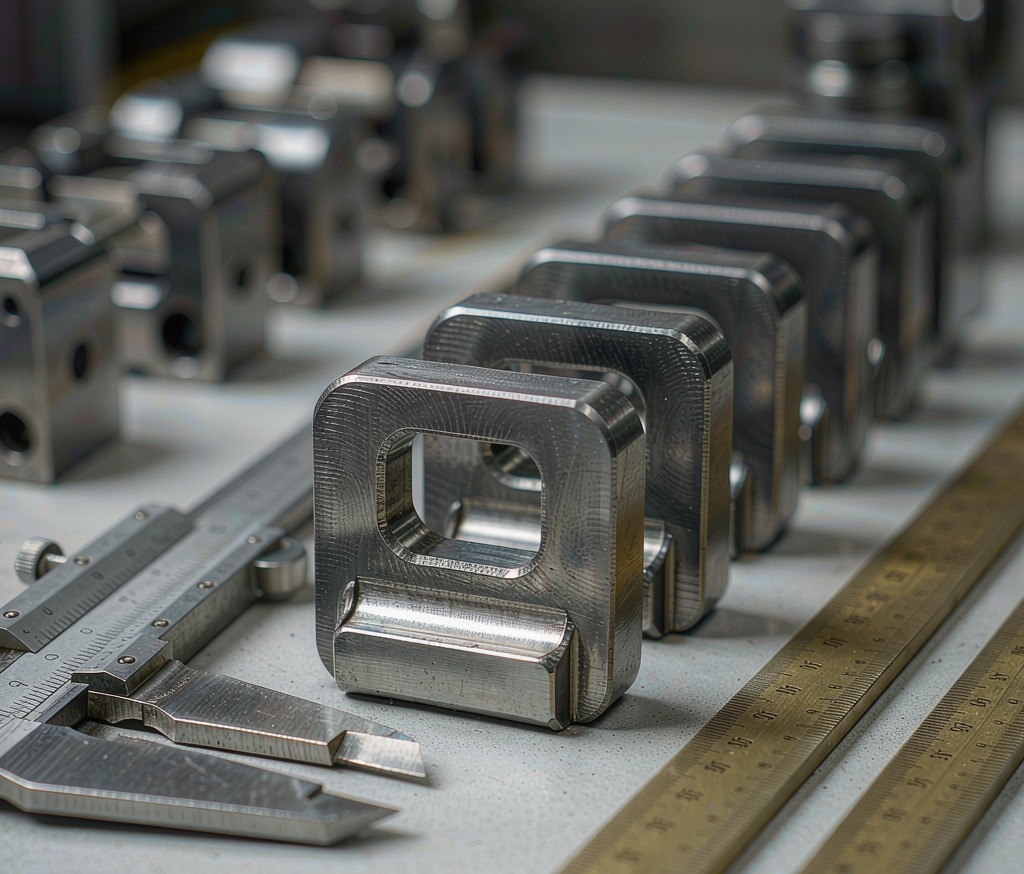
Match the Machine to the Part
The goal is not the most axes—it is the fewest setups that still hit your tolerance. Tell us what the part must do and we will select 3, 4, or 5-axis machining to minimize cost while protecting quality.
Ready to Start Your Project?
Get a build-ready quote on your custom metal parts within 24 hours. Share your drawing and our engineers will respond with process, lead time, and pricing.

