
When your design calls for a complex metal shape that would be slow or impossible to machine from solid stock, casting is usually the answer. But casting is not one process—investment casting and die casting solve very different problems. Choosing wrong means paying for tooling you do not need, or settling for a process that cannot hold your tolerance. This comparison covers where each wins so you can specify with confidence.
How Investment Casting Works
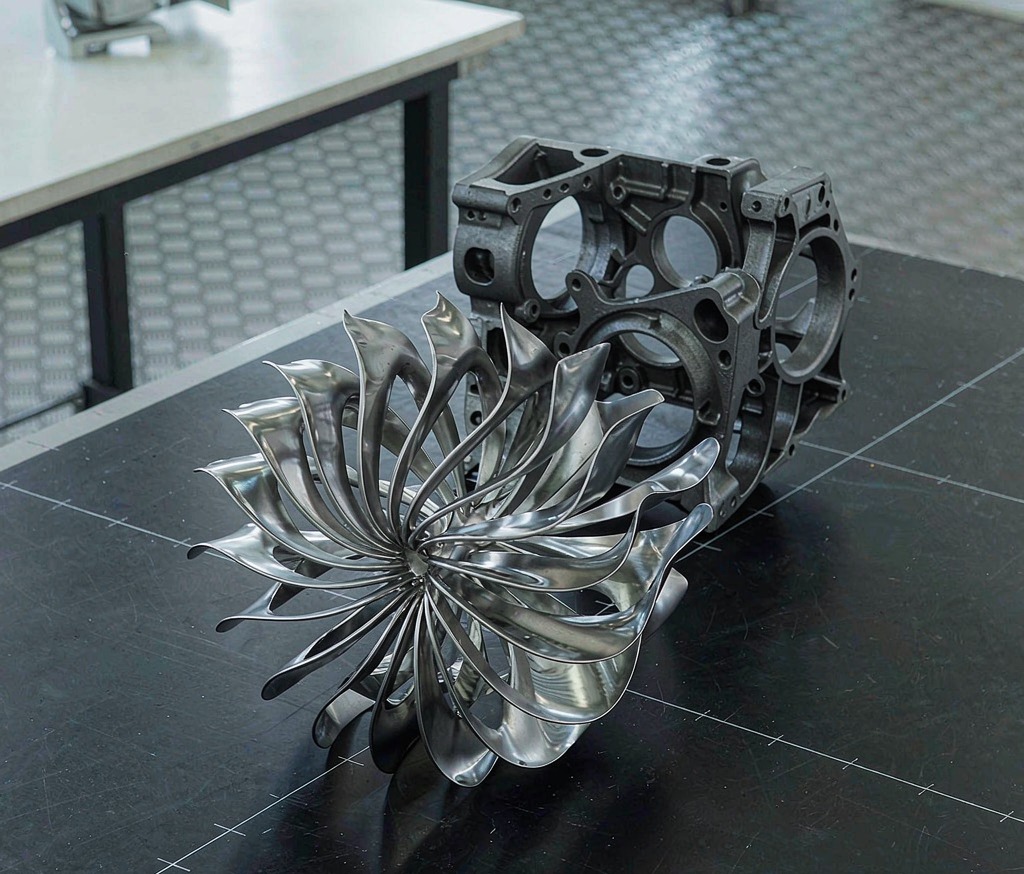
Investment casting, also called lost-wax casting, builds a ceramic shell around a wax pattern and then melts the wax out before pouring molten metal. The result is a near-net-shape part with excellent detail, thin walls, and smooth surfaces. Our investment casting service is the go-to for low-to-mid volumes of intricate steel, stainless, and alloy parts where geometry is the priority.
How Die Casting Works
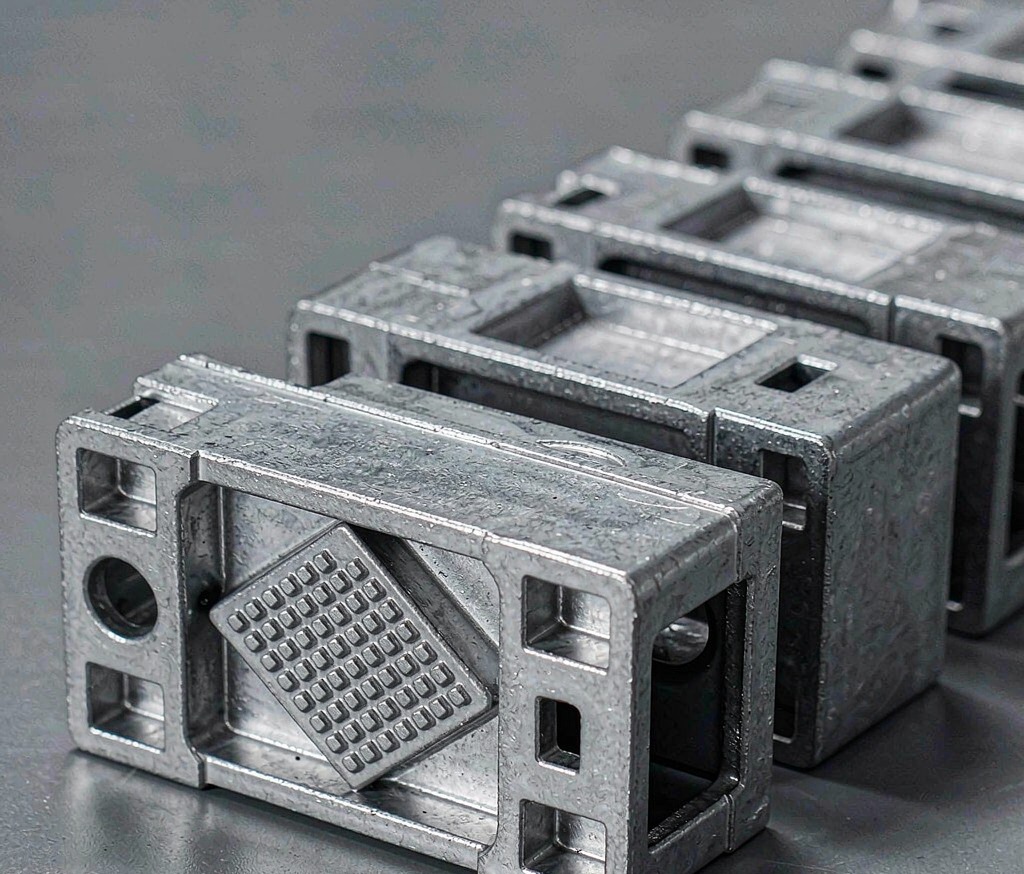
Die casting injects molten metal—usually aluminum, zinc, or magnesium—under high pressure into a reusable steel die. The die is expensive but produces consistent, dimensionally tight parts at very high rates. Our die casting lines are built for high-volume production of non-ferrous components with thin walls and tight repeatability.
Tooling Cost and Volume
This is the clearest dividing line. Investment casting needs only a wax injection tool and a ceramic shell, so tooling is modest and economical from a few dozen pieces upward. Die casting requires a precision hardened die, so it only pays off at thousands of parts. For aluminum specifically, our aluminum die casting services are priced for scale, not prototypes.
Materials Each Process Handles
Investment casting shines with ferrous alloys—carbon steel, stainless, tool steel, and superalloys—that are hard to die cast. Die casting is largely limited to low-melting non-ferrous metals. If your part must be steel and complex, investment casting is often the only cast route. For a broader view of cast routes, our precision casting services overview covers shell, sand, and investment variants.
Tolerance, Finish, and Wall Thickness
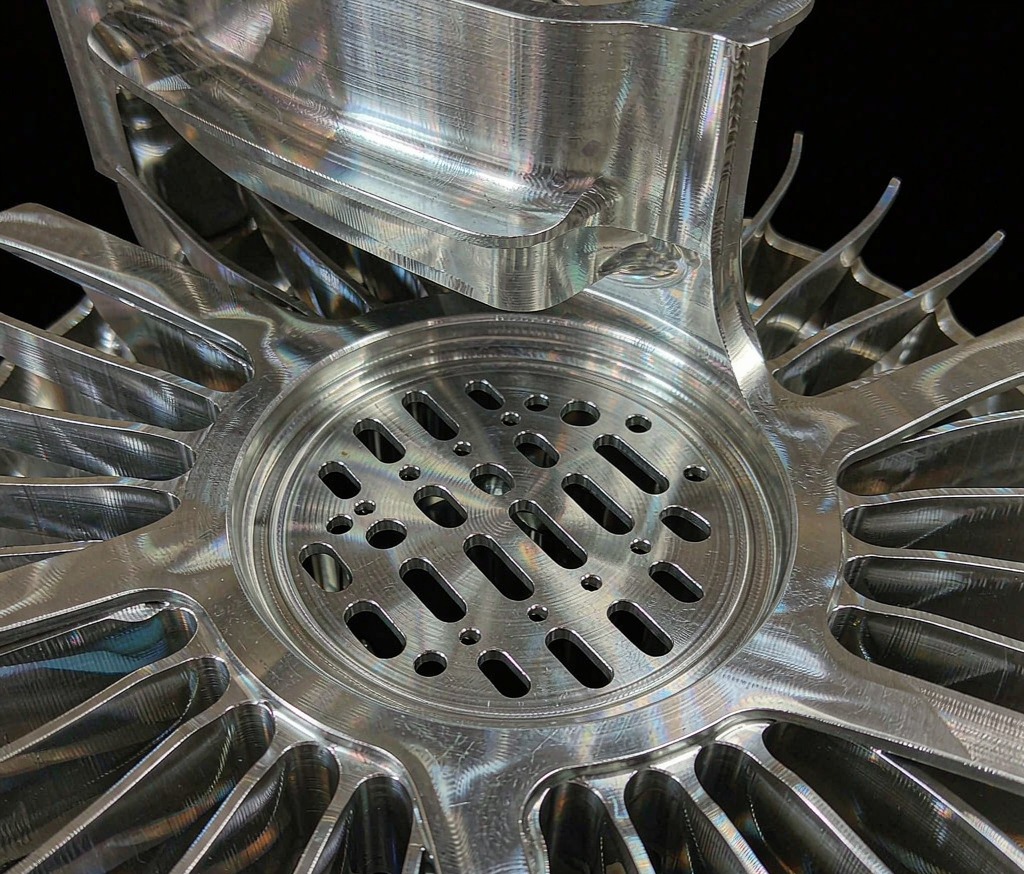
Die casting delivers tighter, more repeatable dimensions and thinner walls at volume, with a characteristic cast finish that may need trimming. Investment casting holds good tolerances on complex shapes and leaves a smooth surface that often needs little machining. When steel casting is required instead, our steel casting services cover larger and heavier geometries that die casting cannot reach.
Lead Time and Flexibility
Investment casting gets to first article faster because tooling is simpler, and design changes are cheaper. Die casting’s long pole is die manufacture, but once running it is extremely fast. If you expect several design revisions, investment casting protects you from heavy re-tooling cost.
Which Should You Specify?
Pick investment casting for low-to-mid volume, complex steel or stainless parts, and fast iteration. Pick die casting for high-volume aluminum or zinc parts where unit cost dominates and the design is frozen. Both can be combined with casting plus machining to add precision features the cast process cannot hold.
Frequently Asked Questions
Can die casting handle steel?
Not economically. Steel’s high melting point destroys the die. Steel and stainless complex parts are the domain of investment casting.
Which is better for prototypes?
Investment casting. Lower tooling cost and faster first articles make it the natural choice before committing to high-volume production.
Can either process replace machining entirely?
Often, but critical bores, threads, and datums usually need a light machining pass. Hybrid casting-plus-machining delivers the best of both.
Talk to a Process Engineer
The right choice depends on alloy, volume, tolerance, and how frozen your design is. Send us the drawing and expected annual quantity and we will recommend investment or die casting—or machining—for the lowest total cost.
Ready to Start Your Project?
Get a build-ready quote on your custom metal parts within 24 hours. Share your drawing and our engineers will respond with process, lead time, and pricing.

