
Metal Casting Services Compared: Sand, Die, Investment & When to Choose Each
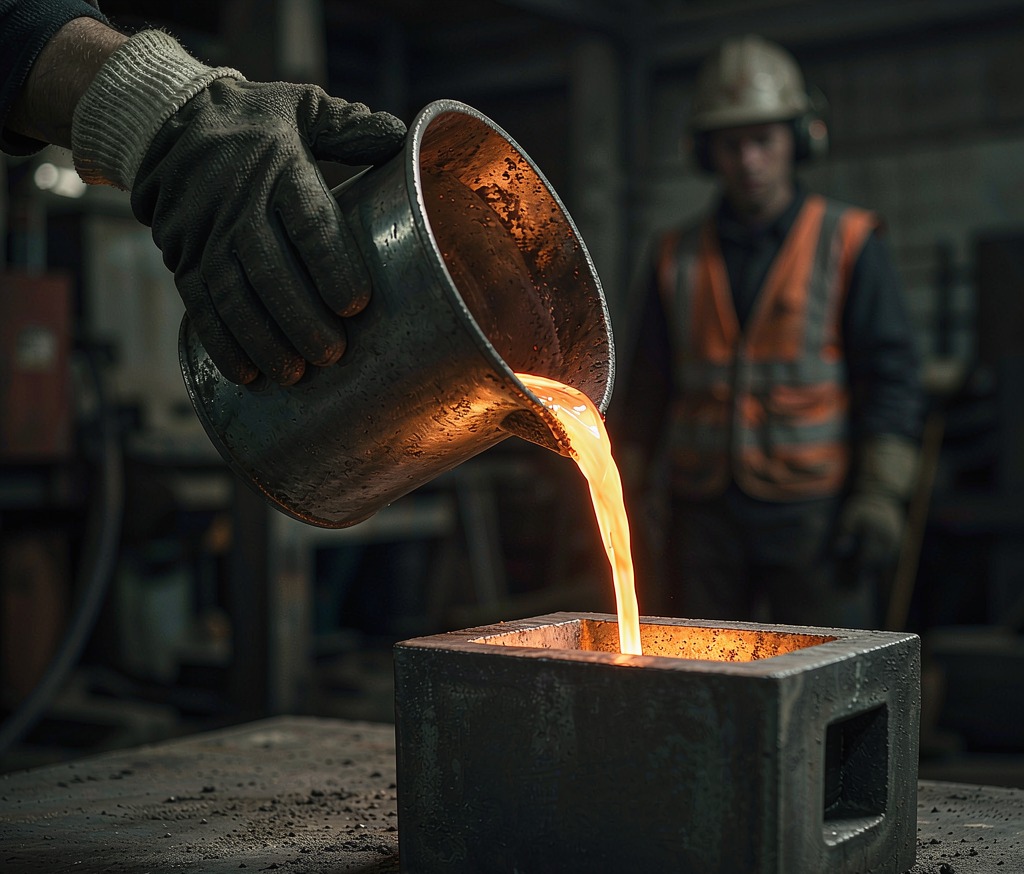
Metal casting services turn molten metal into near-net-shape parts that would be slow or impossible to machine from solid stock. Sand, die, investment, and gravity casting each solve different problems around geometry, volume, and material. This guide compares the four main processes so you can pick the right casting method — and know when to […]
Electric Motor Metal Components: Housings, Rotors, Stators & Shafts
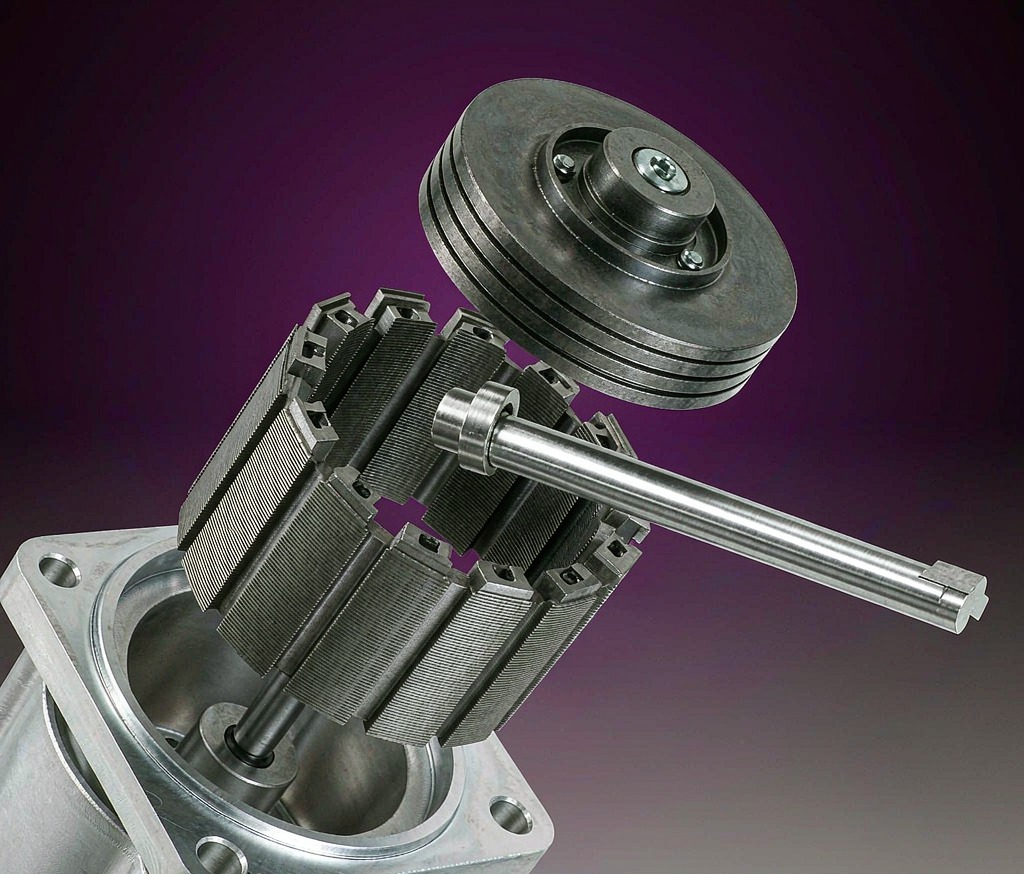
Electric motors, whether in EVs, appliances, pumps, or industrial drives, rely on a set of precision metal components working together: housings, rotors, stators, shafts, and end-bells. Small errors in these parts translate directly into noise, heat, and lost efficiency. This guide explains how each motor metal component is made and what to specify when you […]
Pneumatic Components Manufacturing: Valves, Cylinders & Manifolds Buyer’s Guide
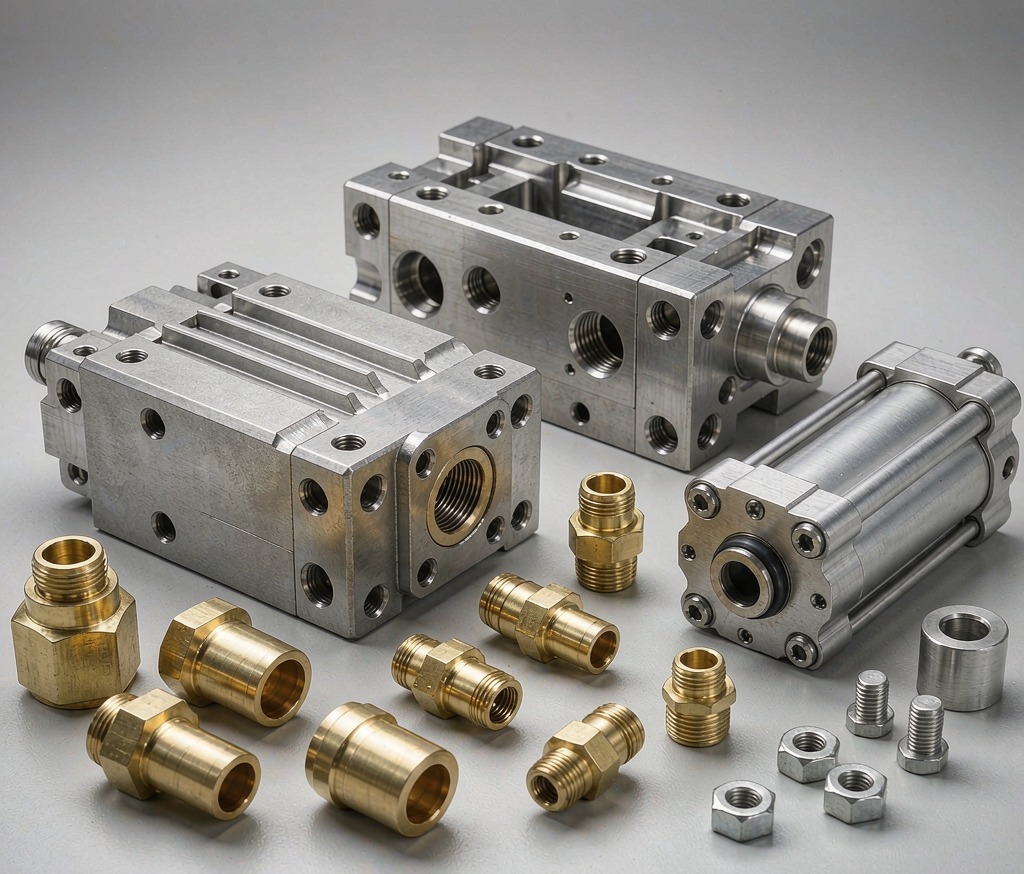
Pneumatic systems move, clamp, and actuate across factories, laboratories, and mobile equipment, and their reliability starts with the metal parts inside. Valves, cylinders, manifolds, and fittings must seal under pressure, resist wear, and machine to fine tolerances. This buyer’s guide covers how pneumatic components are manufactured, which processes fit which parts, and what to specify […]
Electric Vehicle Metal Parts: Chassis, Structural & Thermal Components Buyer’s Guide
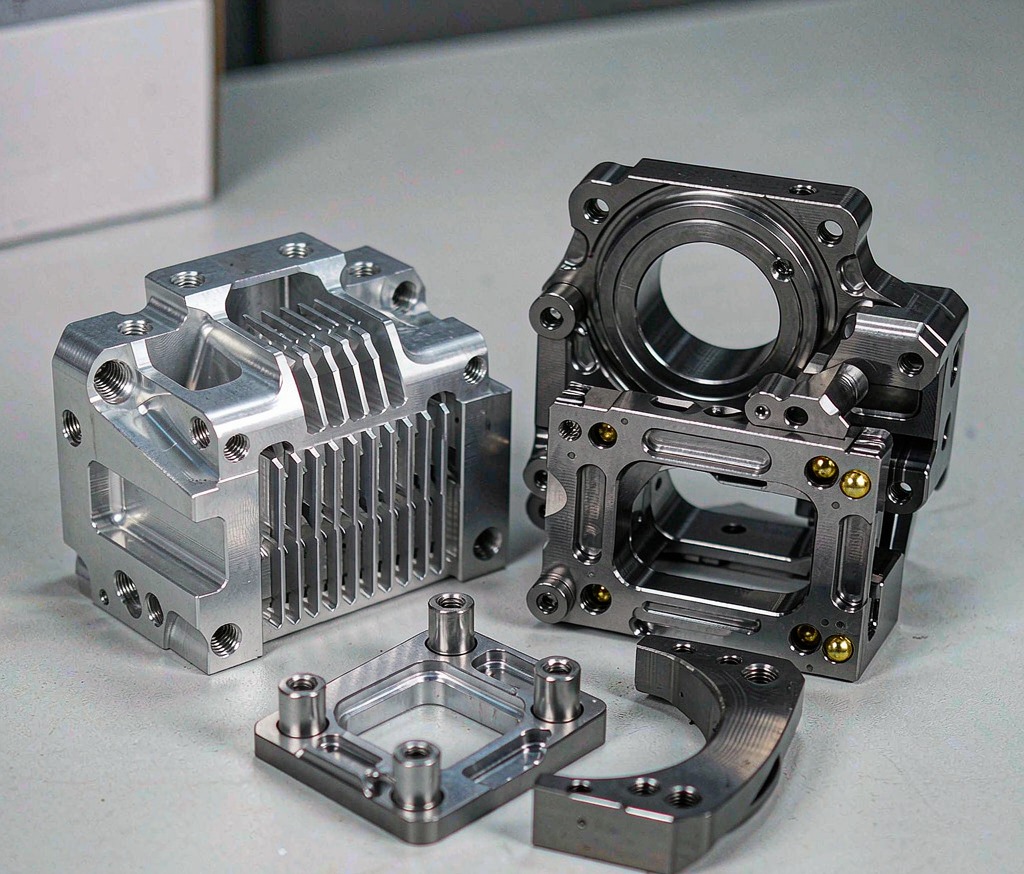
Electric vehicles are reshaping how metal components are designed, sourced, and manufactured. Unlike internal-combustion platforms, EVs concentrate demand on lightweight structural assemblies, high-density battery hardware, and precision thermal-management parts. For procurement and engineering teams, the challenge is finding a supplier that can hold tight tolerances on aluminum and high-strength steel while scaling from prototype to […]
Metal Stamping vs Die Casting: A Buyer’s Engineering Guide
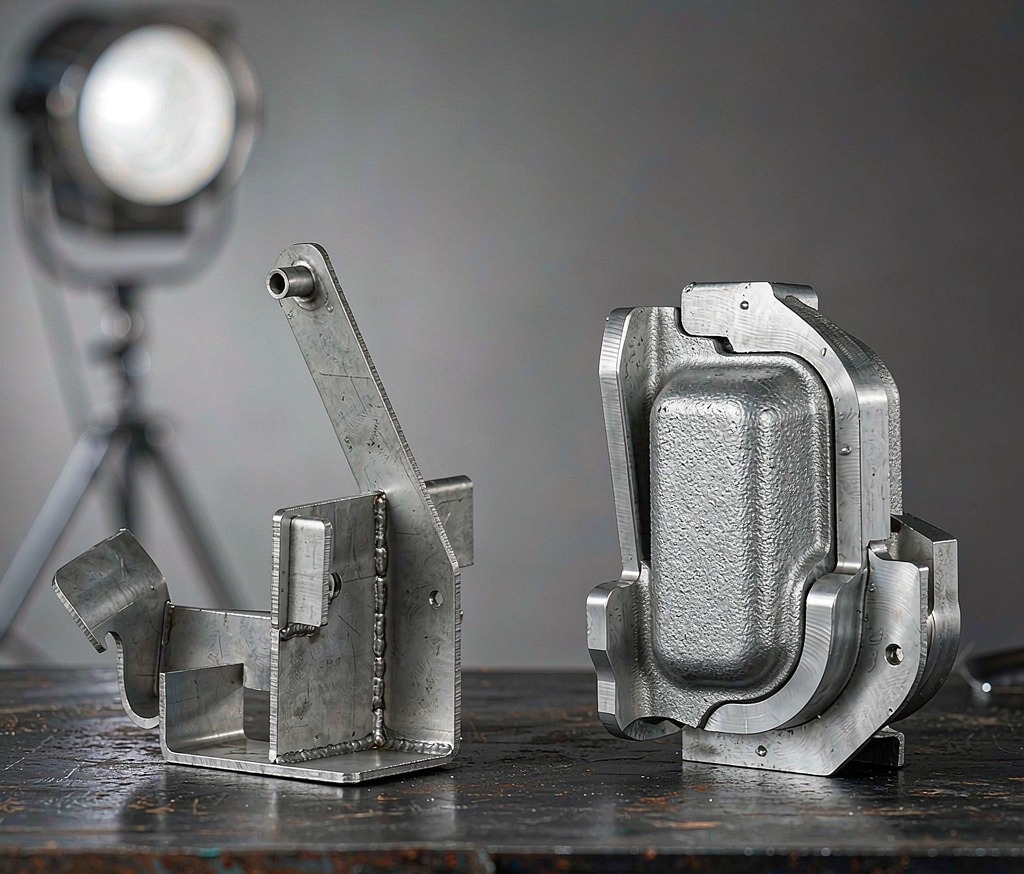
Choosing between metal stamping vs die casting decides your tooling cost, unit price, and what shapes are even possible. Stamping shapes sheet metal with dies; die casting forces molten metal into a mold. Both make volumes of identical parts, but they suit very different geometries. This guide helps engineers pick the right one. Our metal […]
How to Choose a Die Casting Company: Alloys, Tooling & Quality Checklist
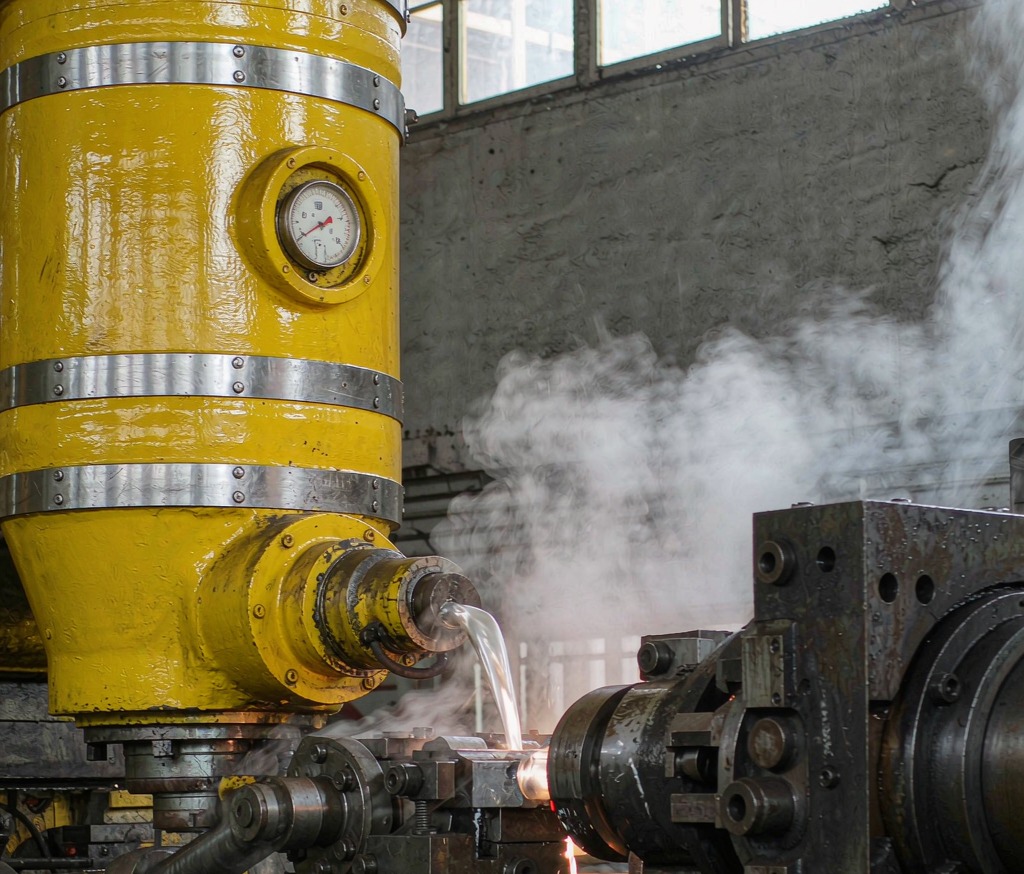
Die casting is the go-to process when you need complex, thin-walled metal parts at high volume with excellent dimensional repeatability. But the quality of the finished part depends as much on the die casting company you choose as on the alloy you specify. Tooling is expensive, qualification is slow, and a weak partner will cost […]
Metal Injection Molding vs Die Casting: Which Process Fits Your Part?
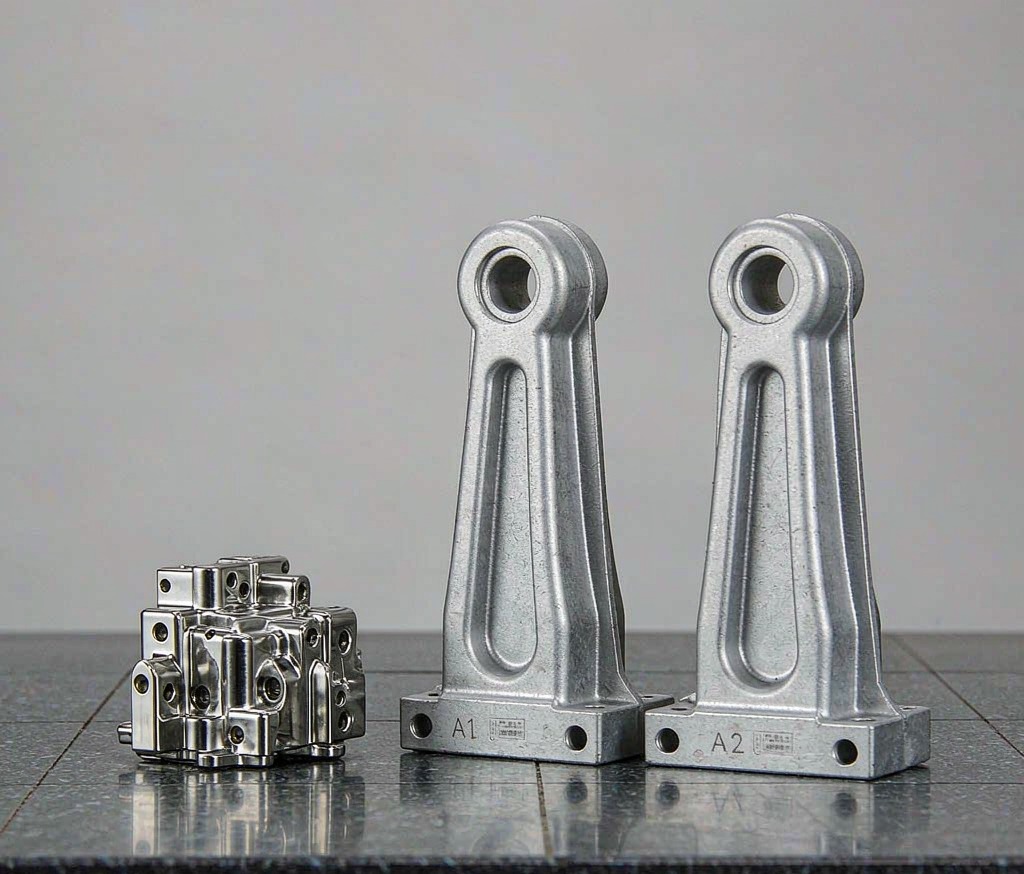
When your part is small, complex, and needed in volume, two processes dominate: metal injection molding (MIM) and die casting. Both make net-shape metal parts at high rate, but they split on material, geometry, and tolerance. This comparison helps you pick the right one before you commit to tooling, because the wrong choice locks in […]
Die Casting Design Guide: Tolerances, Draft, and Wall Thickness That Save Money
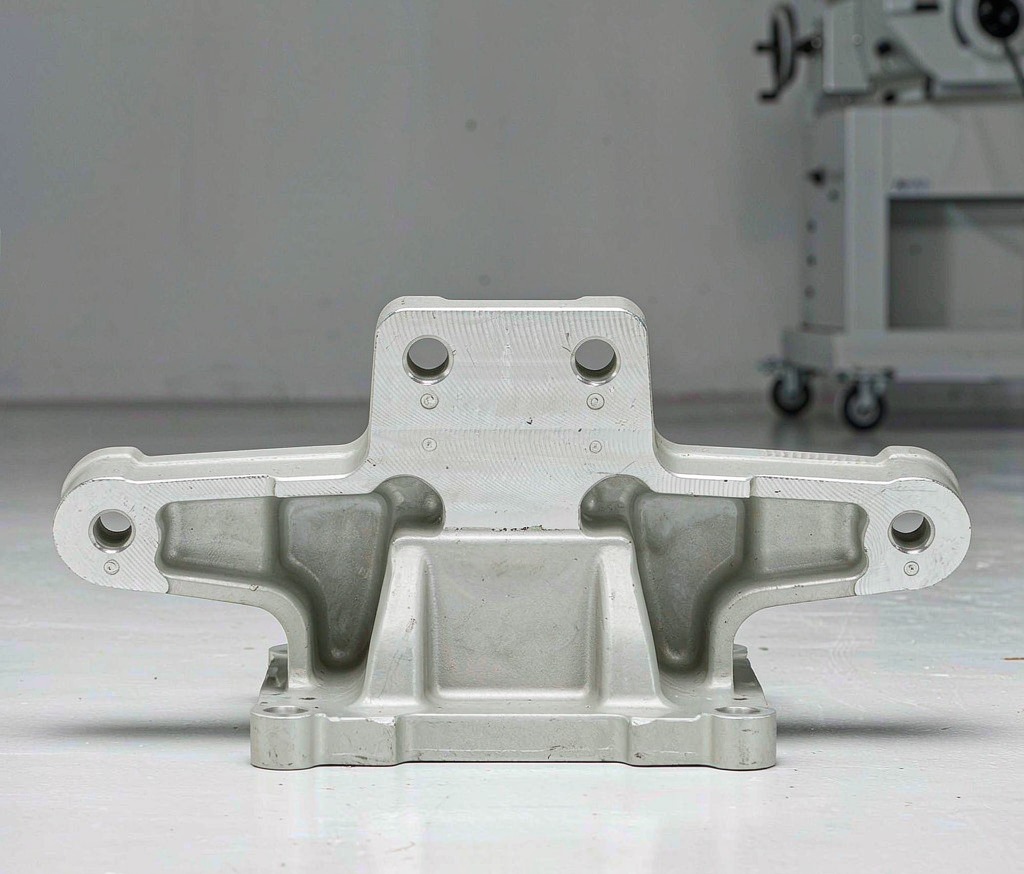
Die casting turns molten metal into net-shape parts at speed, but the design you send to the toolmaker decides whether the part machines cleanly, fills completely, and stays cheap in production. A few geometry rules quietly control your unit cost: draft, wall thickness, tolerances, and radii. Get these right at the drawing stage and you […]
Sand Casting vs Die Casting: How to Choose the Right Process
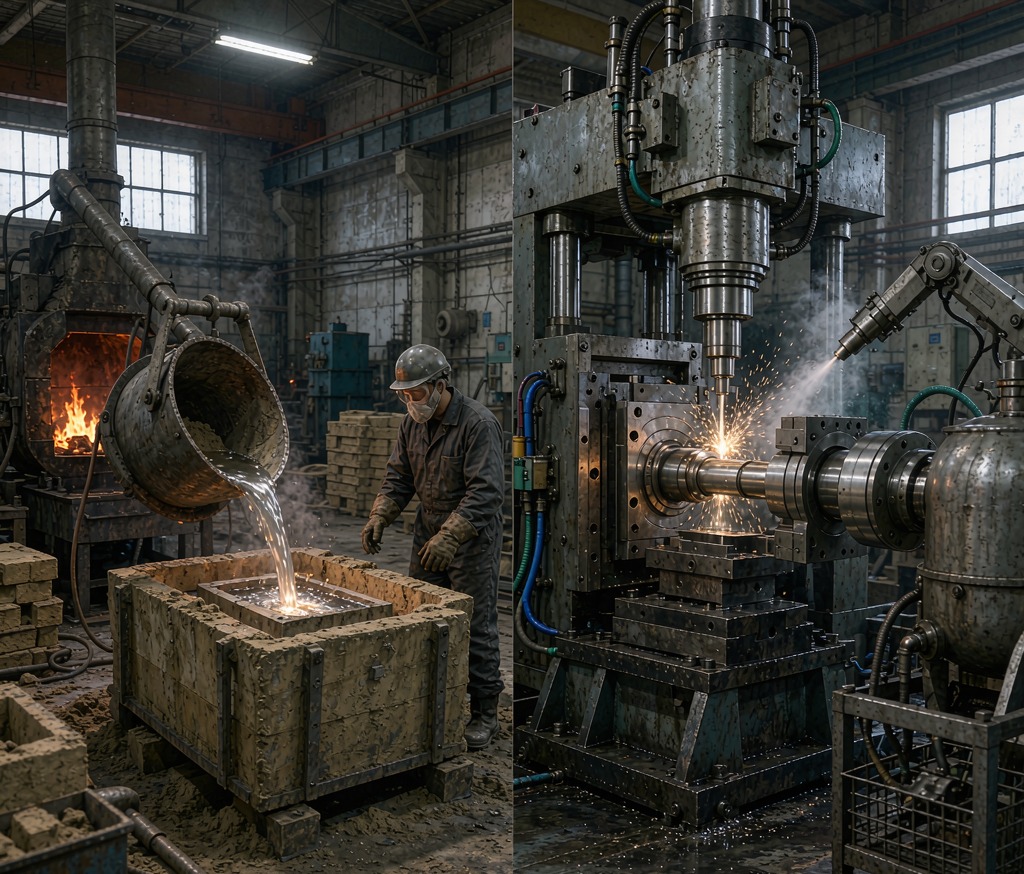
When you need a metal part produced at scale, the oldest question in procurement keeps coming back: sand casting or die casting? Both turn molten metal into a solid shape, but they differ so sharply in tooling cost, volume economics, material range and surface quality that picking wrong can add real money to every unit […]
Investment Casting vs Die Casting: How to Choose the Right Cast Process
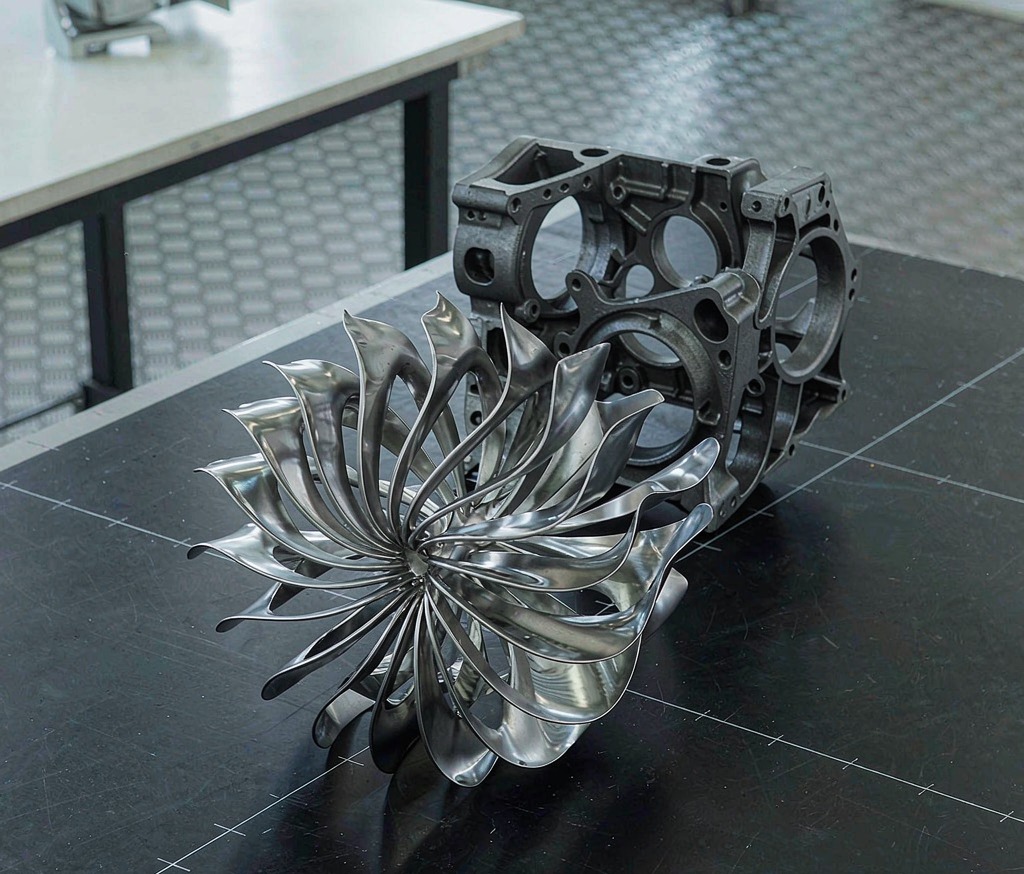
When your design calls for a complex metal shape that would be slow or impossible to machine from solid stock, casting is usually the answer. But casting is not one process—investment casting and die casting solve very different problems. Choosing wrong means paying for tooling you do not need, or settling for a process that […]

