
Die casting turns molten metal into net-shape parts at speed, but the design you send to the toolmaker decides whether the part machines cleanly, fills completely, and stays cheap in production. A few geometry rules quietly control your unit cost: draft, wall thickness, tolerances, and radii. Get these right at the drawing stage and you avoid porosity, sink marks, and secondary machining that erode margin on every shot. This die casting design guide walks through each rule with the numbers buyers actually quote against.
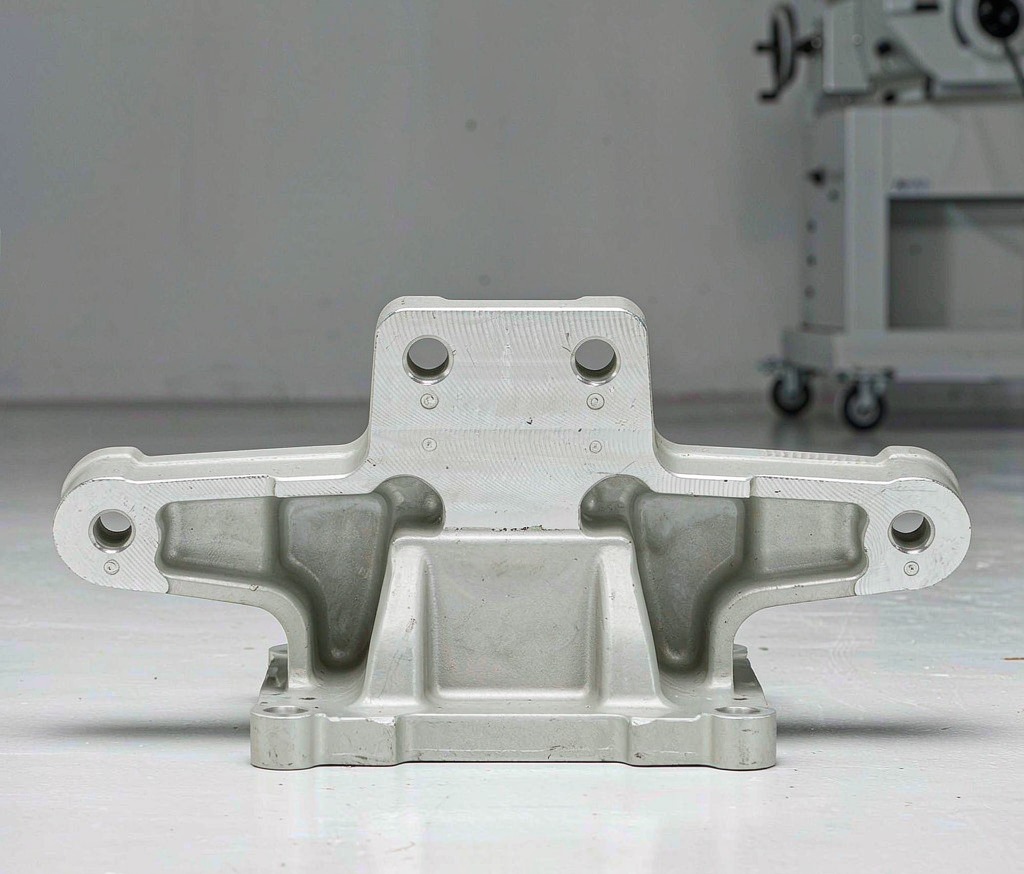
Why Design Rules Decide Die Casting Cost
A die casting tool is a capital investment, and the part geometry dictates how long it lasts and how fast it cycles. Features that trap air or resist ejection force the foundry to add gates, vents, slides, or machining steps that you pay for on every part. Working with a professional die casting service during the quoting stage lets you trade a costly tolerance for a cheaper draft angle before any steel is cut. The earlier the design review, the more money stays in your pocket across the whole production run.
Draft Angle and Part Release
Draft is the taper that lets a part slide out of the die. Zinc alloys need as little as 0.5 degrees per side; aluminium typically wants 1 to 2 degrees; magnesium sits between. Undercuts and zero-draft walls force side-actions and lifters, which multiply tool cost and slow the cycle. When the geometry cannot carry draft, plan for a light CNC milling operation to true the surface after casting rather than over-engineering the tool with moving cores you will rarely use.
Wall Thickness and Ribs
Uniform wall thickness keeps metal flowing evenly and prevents hot spots that cause shrinkage porosity. Aim for 0.8 to 1.5 mm in zinc and 1.5 to 3 mm in aluminium, with gradual transitions where thickness must change. Ribs and bosses stiffen a thin wall without thickening it, so you keep weight and material cost down. Thin, uniform sections also cool faster, shortening cycle time and letting the aluminium extrusion and casting lines feed your assembly more parts per hour.
Tolerances You Can Hold As-Cast
Standard die cast tolerances run about plus or minus 0.1 mm per 25 mm of dimension, tightening with the alloy and tool condition. Specify tight tolerances only where function demands them; everything else should ride the as-cast band. Surfaces that must seal or bear load are better finished with a controlled surface grinding pass than held to a costly cast tolerance. Over-tolerancing a cosmetic face is the fastest way to inflate a quote nobody asked for.
Radii, Fillets, and Boss Design
Internal corners need radii roughly equal to the wall thickness to avoid stress concentration and filling hesitation. External corners get smaller radii. Bosses for threaded holes should stand on generous fillets and be cored rather than machined solid. A clean anodizing or powder coating finish reads better over consistent radii, which is why cosmetic parts reward good fillet design. Sharp inside corners also accelerate tool wear, so rounding them helps the die last longer.
Material Selection and Heat Treatment
Zinc, aluminium, and magnesium each carry different design rules. Zinc is the most forgiving on wall thickness and draft; aluminium is the volume workhorse for strength-to-weight; magnesium is lightest but needs care on thin sections. Some alloys benefit from a heat treatment step to stabilize dimensions after casting, which matters for parts that must hold tolerance in service. Match the alloy to the rule set before you finalize the draft.
When to Machine Critical Features
Die casting should form the shape; machining should only cut the few features that truly matter. Threads, sealing faces, and precision bores are cheapest when cast near-size and finished by machining. Review our aluminium die casting capabilities to see where near-net casting ends and finishing begins, and compare the trade-offs in our investment casting vs die casting breakdown when tolerances get tight. A sand casting vs die casting look also helps when volume is lower than die casting justifies.
Die Casting Design Checklist
Use this quick checklist before you release the drawing to the toolmaker. It captures the rules that most often move the quote and the reject rate.
- Add draft to every surface that slides out of the die, not just the obvious ones. See our die casting process notes for the angles we recommend by alloy.
- Keep wall thickness uniform and above 1.5 mm for aluminium so the cavity fills without short shots. Pair thin features with aluminium extrusion where a section can be joined instead of cast.
- Specify tight tolerances only on sealing faces and bores; let everything else ride the as-cast band and finish with surface grinding where needed.
- Plan machining only for threads and precision holes, keeping the cast shape near-net with CNC milling for the few critical cuts.
How do I estimate die casting cost before tooling?
Start from part weight, alloy price, and annual volume, then add tooling amortized over the run. A design review with the foundry early catches draft and wall issues that would otherwise force expensive rework after the die is cut.
Frequently Asked Questions
What is the minimum wall thickness for aluminium die casting?
Practical production minimums are about 1.5 mm for most aluminium alloys, though thin-wall grades can reach below 1 mm in high-pressure tooling. Thinner walls risk short fills and warpage, so confirm with your foundry before locking the design.
Can die cast parts hold tight tolerances without machining?
They can hold roughly plus or minus 0.1 mm per 25 mm as-cast. Anything tighter, especially on a sealing face or bore, is cheaper to machine after casting than to chase in the tool.
Which alloy is easiest to design for?
Zinc alloys are the most forgiving: thin walls, low draft, and excellent detail. Aluminium is the volume workhorse for strength-to-weight, and magnesium offers the lightest parts with moderate design care.
Do I always need draft on every surface?
Every surface that moves against the die on ejection needs draft. Fixed surfaces and those released by a slide can sometimes run near zero, but adding a small uniform draft everywhere is the safe default that keeps the tool simple.
Ready to Start Your Project?
Get a build-ready quote on your custom metal parts within 24 hours. Share your drawing and our engineers will respond with process, lead time, and pricing.

