
Die casting is the go-to process when you need complex, thin-walled metal parts at high volume with excellent dimensional repeatability. But the quality of the finished part depends as much on the die casting company you choose as on the alloy you specify. Tooling is expensive, qualification is slow, and a weak partner will cost more in scrap and delays than any saving on piece price. This buyer’s guide covers what to evaluate—alloys, tooling, certifications, and secondary operations—so you can pick a supplier with confidence.
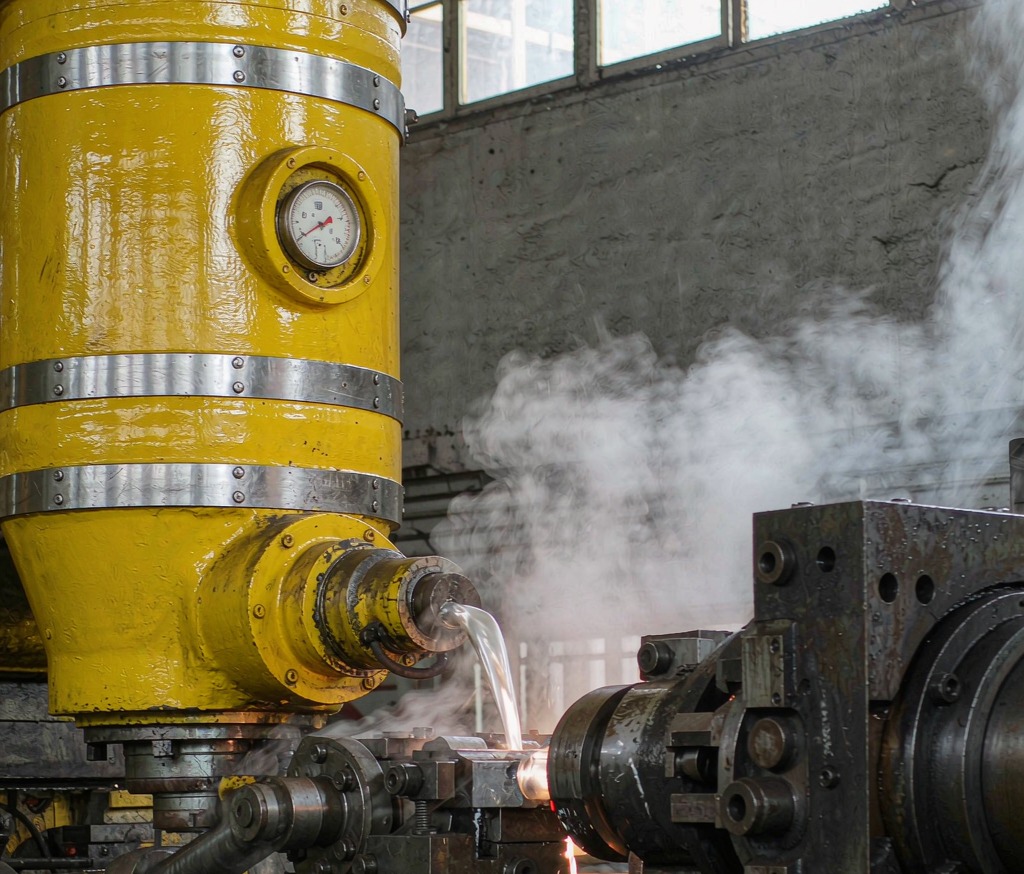
What a Die Casting Company Provides
A die caster designs and builds reusable steel molds, then forces molten metal under high pressure into those cavities to produce net-shape parts. Beyond the press, a full-service company offers in-house tooling, trim and finish, and often machining and coating. Many buyers also compare neighboring processes; our die casting service page explains the core capability, while sand casting and gravity casting cover lower-volume or larger-part alternatives worth understanding before you commit.
Aluminum vs Zinc Die Casting
Aluminum dominates for lightweight, heat-dissipating structural parts—housings, brackets, and enclosures—while zinc offers tighter tolerances, thinner walls, and better platability for small, intricate components. Choosing the alloy up front decides tooling geometry and press size. Our deep dive on aluminum die casting services walks through alloy families (ADC12, A380, A360) and where each fits.
Tooling and Die Making
The die is the heart of the program. Ask whether tooling is designed and maintained in-house, what steel grade is used, and how the supplier handles wear and flash. In-house die shops shorten the feedback loop from weeks to hours when a cavity needs adjustment. Tool life estimates and maintenance schedules are a strong signal of competence—treat vague answers as a red flag.
Quality Systems and Certifications
Look for documented quality systems: ISO 9001 baseline, with IATF 16949 for automotive and ISO 13485 for medical where required. Request X-ray or CT porosity inspection for structural parts, and ask about Cpk on critical dimensions. A capable investment casting line may complement die casting for prototypes or low-volume runs while tooling is built.
Secondary Operations
Raw castings rarely ship as finished parts. Evaluate whether the supplier can trim, CNC machine datums, tap, plate, and coat in-house. Powder coating and aluminum extrusion paired with casting let you consolidate a multi-supplier bill of materials into one accountable source.
How to Evaluate a Supplier
Compare quotes on tooling cost, piece price at your annual volume, and secondary operations—not headline rate alone. Ask for references on similar parts, sample inspection reports, and a realistic lead time that includes tool tryout. For a structured comparison against plastic and other processes, our die casting vs injection molding guide is a useful read, as is the investment casting guide for near-net-shape alternatives.
FAQ
Q: When should I choose die casting over injection molding?
A: Choose die casting for metal parts that must conduct heat, shield EMI, or carry structural load. Injection molding suits non-metallic, lower-temperature parts at very high volumes.
Q: How long does tooling qualification take?
A: Typically 8–16 weeks for a new aluminum die including sampling and PPAP, longer for complex multi-cavity tools. Build this into your launch plan.
Q: Can one supplier handle both prototype and production?
A: The best partners run bridge tooling or complementary processes so you are not re-sourcing when you move from prototype to volume.
Choosing Your Die Casting Partner
The right die casting company protects your program from porosity, dimensional drift, and delivery surprises. Vet capability, tooling control, and quality systems before you commit tooling budget. If you have an aluminum or zinc part ready for quoting, share your drawing and our engineers will return a build-ready quote with process, lead time, and pricing.
Ready to Start Your Project?
Get a build-ready quote on your custom metal parts within 24 hours. Share your drawing and our engineers will respond with process, lead time, and pricing.

