
Specifying a metal finish often comes down to anodizing vs electroplating. Both improve corrosion resistance and appearance, but they are fundamentally different processes—one grows an oxide layer from the base metal, the other deposits a foreign metal coating. Pick the wrong one and you can end up with poor adhesion, the wrong color, or a finish that fails in service. Here is how engineers choose between them.
What Anodizing Actually Is
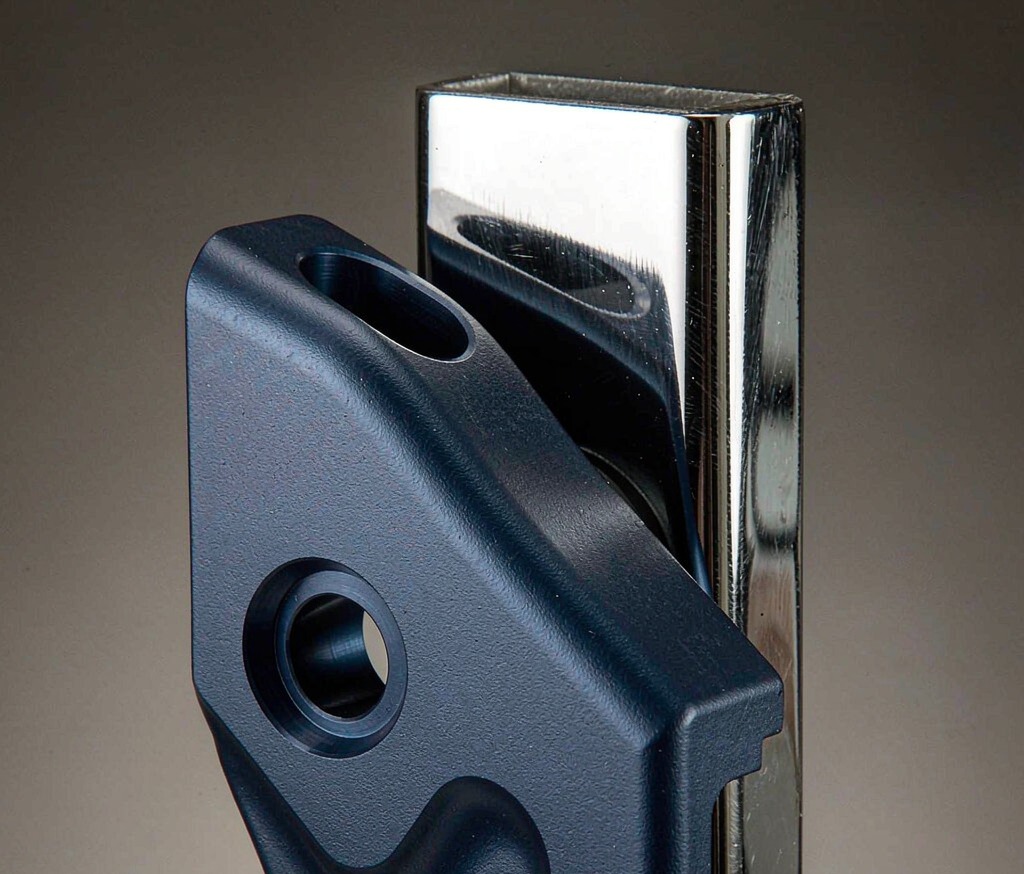
Anodizing is an electrochemical process that thickens and toughens the natural oxide layer on aluminum (and some other non-ferrous metals). The coating is integral to the part—it is not a deposited film—so it cannot peel or chip. Our anodizing lines produce hard, abrasion-resistant, and optionally colored surfaces that are ideal for aluminum structural and consumer parts.
What Electroplating Actually Is
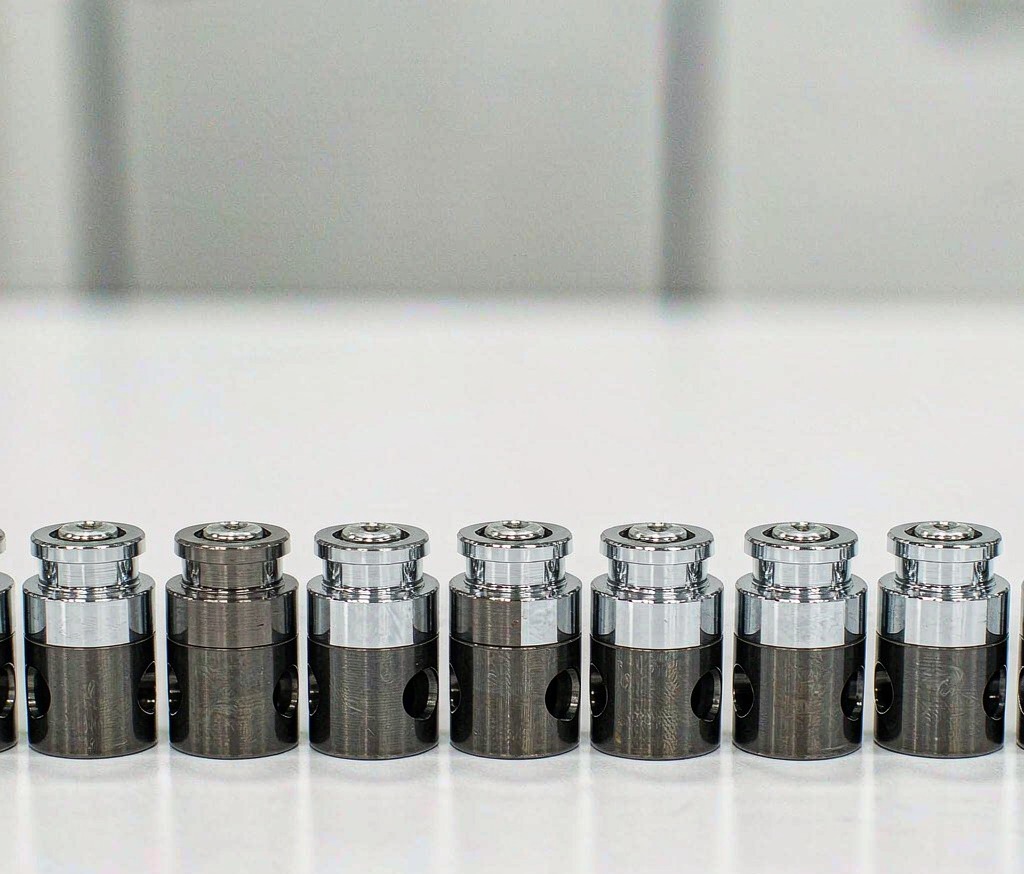
Electroplating uses an electric current to deposit a thin layer of metal—chrome, nickel, zinc, or similar—onto the substrate from a solution. The coating is a separate material bonded to the surface. Our chrome plating and nickel plating services add hardness, solderability, or a decorative finish to steel, brass, and other conductive bases.
Base Material Compatibility
Anodizing is primarily an aluminum process (with variants for titanium and magnesium); it does not work on steel. Electroplating works on most conductive metals and is the standard way to coat steel with corrosion-resistant or decorative metal. For stainless, our passivation services are often the better corrosion treatment than plating.
Appearance and Color
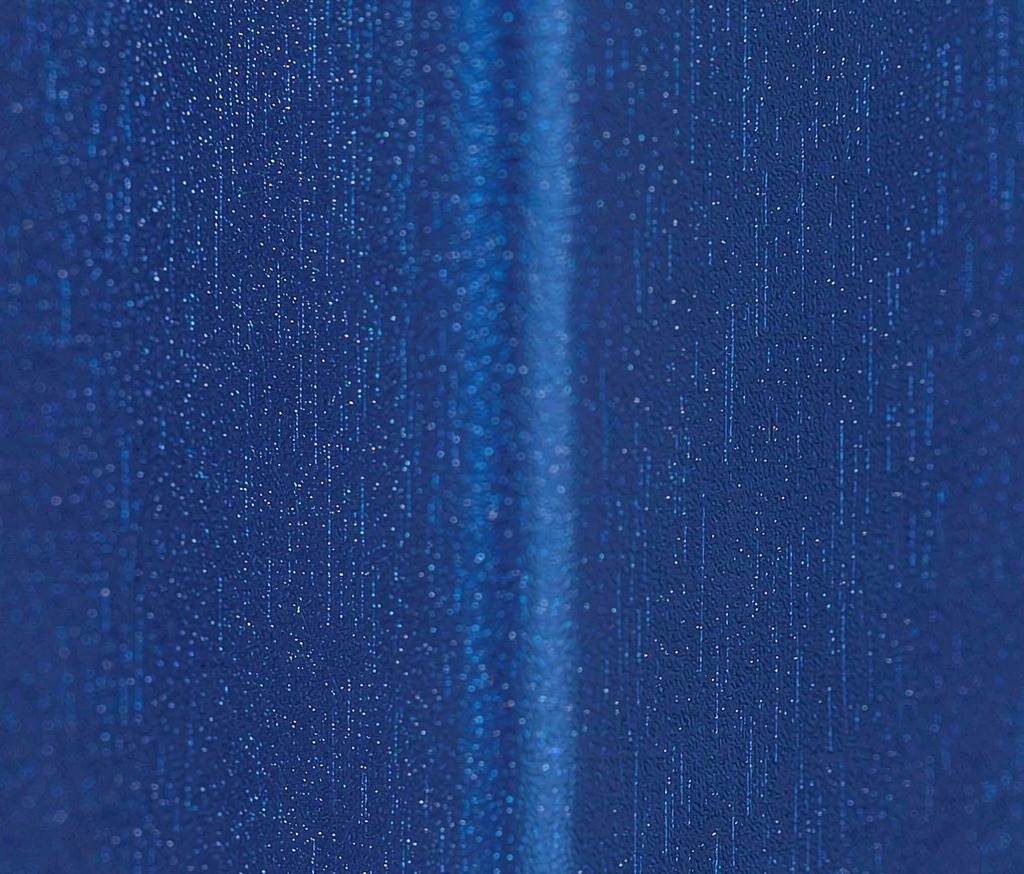
Anodizing offers a wide range of stable colors on aluminum and a characteristic matte-to-satin look that reads as premium. Electroplating delivers bright, reflective metal finishes—chrome’s mirror look or nickel’s warm sheen. If you want a colored aluminum part, anodizing is usually the answer; if you want a metal-on-metal reflective coat, plating wins. See our anodizing vs powder coating comparison for the coating-family trade-offs.
Wear, Hardness, and Protection
Hard anodizing creates a very hard, ceramic-like surface that resists galling and abrasion better than most plating. Electroplating adds hardness too, but a thick plated layer can be brittle or prone to edge buildup. For wear surfaces on aluminum, hard anodize; for sacrificial corrosion protection on steel, zinc or nickel plating is common.
Adhesion and Durability
Because anodize is grown from the part, it cannot delaminate—a major reliability advantage. Plated coatings can chip or blister if pretreatment is poor or the part flexes. For critical electroless nickel or plated surfaces, surface prep and proper post-treatment are essential to durability.
Which Should You Specify?
Choose anodizing for aluminum parts needing color, wear resistance, and a durable integral finish. Choose electroplating for steel or brass needing a metal coating for corrosion, solderability, or a reflective look. Both pair well with powder coating alternatives depending on the aesthetic.
Frequently Asked Questions
Can you anodize steel?
No. Anodizing is for aluminum, titanium, and magnesium. Steel is finished by plating, passivation, or organic coatings instead.
Which lasts longer outdoors?
Both can, if specified right. Anodized aluminum is excellent for architectural use; plated steel needs the right undercoat and topcoat to avoid corrosion at defects.
Is anodizing colored or just clear?
Both. Clear and dyed colors are common, and dyed anodize is UV-stable compared with many painted finishes.
Match the Finish to the Base
Tell us the alloy, service environment, and appearance you need and we will recommend anodizing, plating, or an alternative coating that meets the spec without overpaying.
Ready to Start Your Project?
Get a build-ready quote on your custom metal parts within 24 hours. Share your drawing and our engineers will respond with process, lead time, and pricing.

