
Anodizing vs. powder coating is the finish question almost every aluminum and metal-part buyer eventually faces. Both protect and beautify, but they do it in fundamentally different ways: anodizing grows a hard oxide layer from the metal itself, while powder coating lays a baked polymer film on top. The right choice depends on the substrate, the service environment, the look you want, and how much you can spend. Understanding the trade-offs before the print is released saves rework, especially when the part will be seen or handled daily. For aluminum parts, pairing either finish with proper anodizing discipline keeps corrosion at bay.
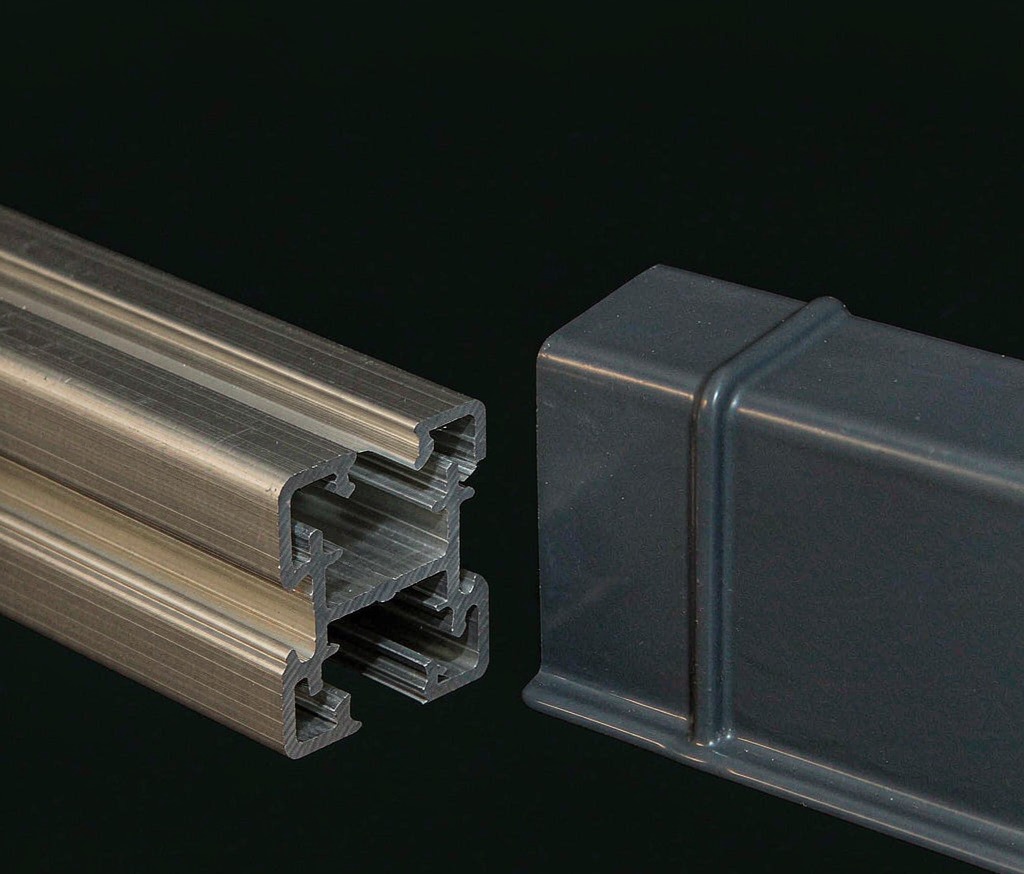
Two Ways to Finish Metal
Anodizing is an electrochemical process that converts the top microns of the aluminum surface into aluminum oxide, a hard, integral layer that is part of the metal, not a coating sitting on it. Powder coating is a dry polymer powder electrostatically sprayed onto the part and then cured in an oven, forming a thick film bonded to the surface. One is grown from the substrate; the other is applied to it. That single difference drives nearly every performance and appearance contrast between them.
How Anodizing Works
The part is cleaned, etched, and immersed as the anode in an acid electrolyte while current flows. Oxygen forms a dense oxide that thickens with time and voltage, typically 5 to 25 microns for decorative Type II, thicker for hard Type III. The porous oxide is then sealed, often with hot water or a nickel seal, and can be dyed nearly any color before sealing. Because the layer is aluminum oxide, it is very hard and retains the metal’s feel. Our anodizing services guide covers Type II and hard coat in detail.
How Powder Coating Works
The cleaned part is grounded, the powder is sprayed with a charge so it wraps the surface, and the part is baked so the powder flows and cross-links into a continuous film, usually 50 to 100 microns thick. The result is a smooth, uniform, and thick barrier that hides minor surface flaws and offers a huge color and gloss range. It works on steel, aluminum, and many other metals, which is why powder coating is a default for fabricated structures and enclosures.
Durability and Corrosion
Anodizing excels on aluminum: the oxide is chemically inert and, when sealed, resists corrosion and UV without chalking. It will not peel because it is not a separate film. Powder coating gives excellent barrier protection and impact resistance, and a thick film survives scratches better than thin anodize, but if it is chipped or scribed down to bare metal, moisture can creep under the film and lift it. In salty or outdoor service, both perform well if specified correctly; powder’s thickness is its friend, anodize’s integrality is its friend.
Color, Thickness, and Appearance
Anodize shows the metal through a translucent dyed layer, giving a premium metallic look but with some batch-to-batch shade variation, especially on mixed alloys. Powder coating delivers consistent, opaque, saturated color and a choice of gloss, including textures that hide fingerprints. Thickness tells the story: anodize is thin and keeps tight dimensions, while powder adds a measurable film that can affect press fits and threaded holes unless they are masked or tapped after. Related passivation and polishing steps can refine the base surface either finish sits on.
Cost and Lead Time
For aluminum, anodizing is often cost-competitive and fast for standard colors, with hard coat costing more. Powder coating has higher material and cure energy cost but is forgiving on part condition and works across metals, so it can be cheaper when one line serves mixed jobs. Both scale well; the driver is volume, color count, and whether masking or post-machining is needed. Our metal surface treatment overview maps these into the wider finish menu.
How to Choose
Pick anodizing for aluminum parts where you want a hard, metallic, thin, durable finish and tight tolerances, think handheld devices, architectural trim, and wear surfaces. Pick powder coating for thick, opaque, colorful protection on mixed metals, enclosures, frames, and outdoor structures where minor dimension change is acceptable. When in doubt about the substrate, our metal material guide helps match alloy and finish from the start. For liquid-film alternatives, wet painting and galvanizing cover other service needs.
Frequently Asked Questions
Is anodizing or powder coating more durable?
Both are durable; anodize resists UV and will not peel, while powder’s thicker film better survives impacts and scratches.
Which is better for outdoor use?
Both work outdoors when specified correctly; powder’s thick barrier and anodize’s sealed oxide each protect well.
Does anodizing change dimensions?
Only by microns, so it suits tight-tolerance aluminum; powder adds a thicker film that can affect fits unless masked.
Can powder coating be used on aluminum?
Yes, and it is common, though the aluminum should be properly pretreated so the film adheres and corrosion is controlled.
Which looks more premium?
Anodize gives a metallic, integral look many consider premium; powder offers consistent opaque color and texture.
Which is cheaper?
It depends on metal, color, and volume; anodize is often efficient for standard aluminum colors, powder for mixed-metal batches.
The finish decision is easier once the substrate and service are fixed. Our powder coating services guide details the polymer route when thickness and color range lead the spec.
Ready to Start Your Project?
Get a build-ready quote on your custom metal parts within 24 hours. Share your drawing and our engineers will respond with process, lead time, and pricing.

