
5052 aluminum is one of the most machined non-heat-treatable alloys in the world, thanks to its excellent corrosion resistance and formability. But “easy to machine” is relative—5052 has quirks that catch shops unfamiliar with it, from built-up edge to surface finish on thin walls. This guide covers how to machine 5052 aluminum successfully for brackets, panels, and marine-grade parts.
Why Engineers Choose 5052
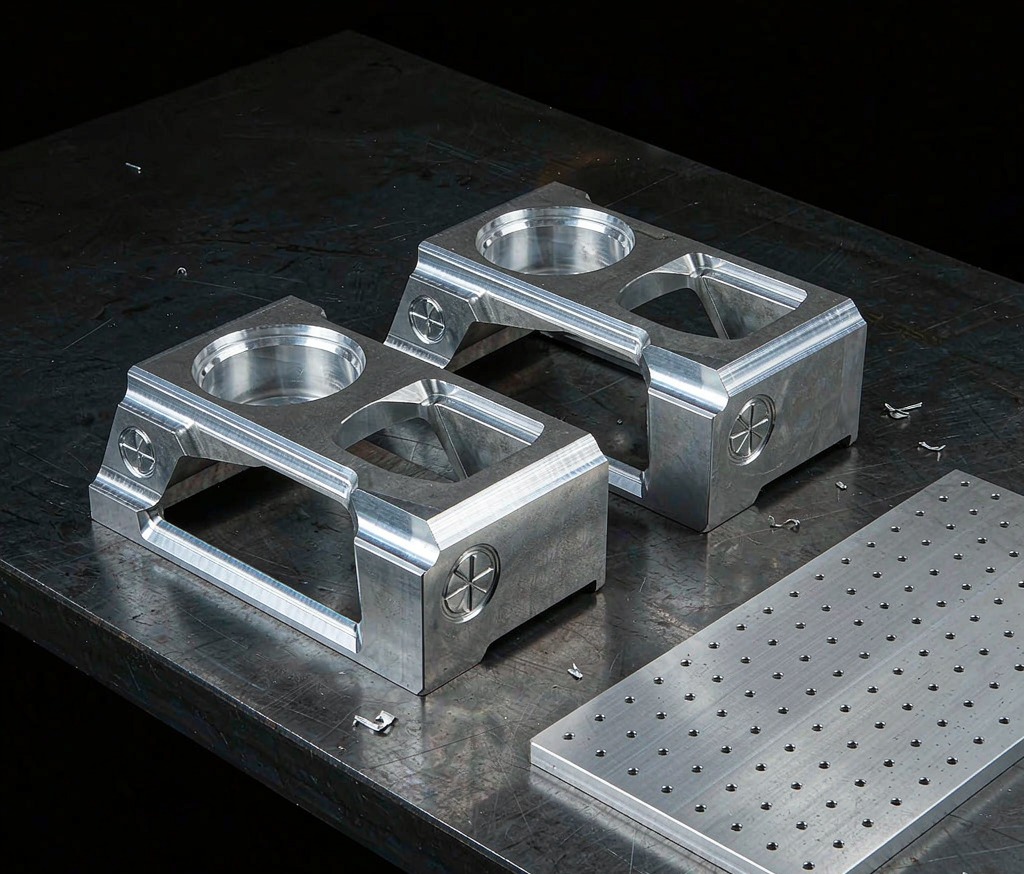
5052-H32 offers the best combination of corrosion resistance and workability among common aluminum sheet alloys, which is why it dominates marine hardware, electronic enclosures, and architectural panels. Its strength comes from strain hardening rather than heat treatment, so it does not age or distort after machining the way heat-treatable grades can. Our aluminum extrusion and sheet programs frequently specify 5052 for exposed structural parts.
Machinability Characteristics
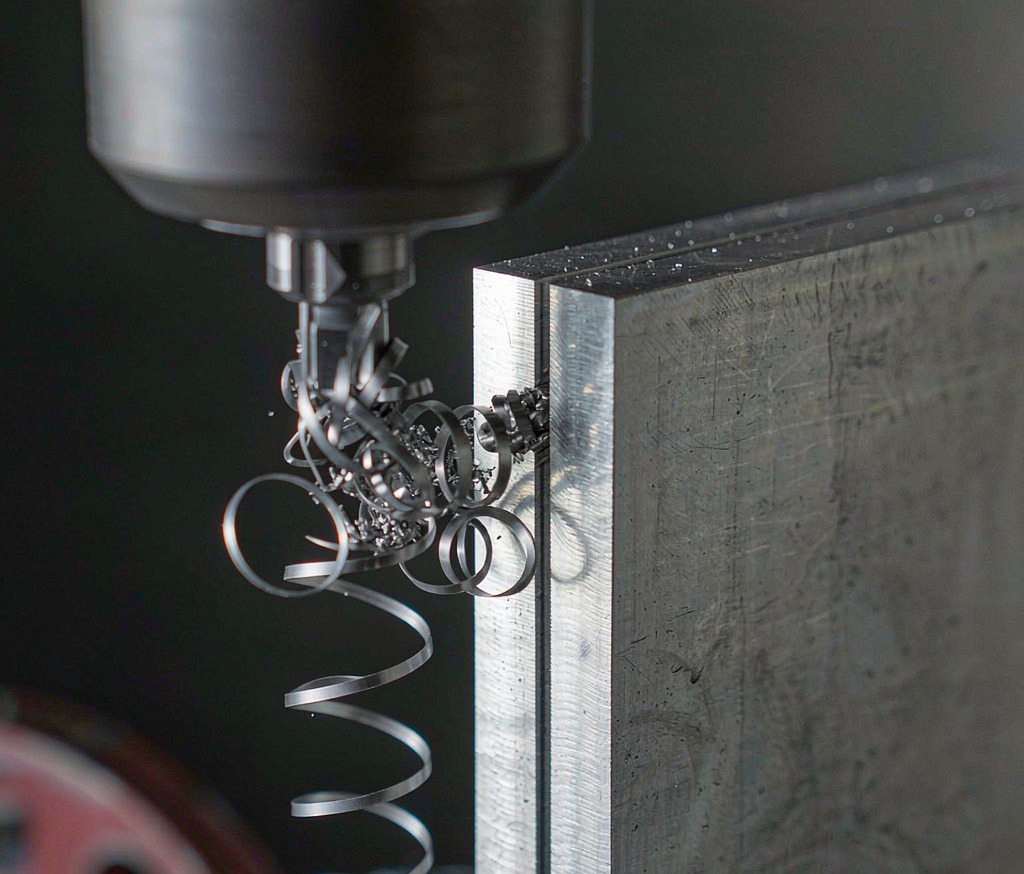
5052 is gummy compared with 6061 or 7075. It tends to weld to the tool edge and produce long, stringy chips that wrap the cutter. The fix is sharp, polished flutes, positive rake geometry, and generous coolant. Our aluminum CNC machining services use high surface speeds and proper tool coatings to keep edges clean and finishes bright.
Tooling and Speeds
Uncoated or polished carbide with a high helix angle works well; the goal is to cut freely and evacuate chips fast. Because 5052 is soft, conservative feed-per-tooth with high rpm keeps the tool in the cut and avoids rubbing that degrades finish. For a broader playbook, our aluminum machining services overview covers grade-by-grade settings.
Surface Finish and Thin Walls
Thin 5052 sheet deflects under cutting forces, so climbing cuts and sharp tools protect flatness. A light surface grinding or deburr pass cleans edges after milling. Because the alloy is non-heat-treatable, you will not fight heat-treat distortion—an advantage for tight flatness on panels.
Forming, Welding, and Finishing
5052’s formability is a major plus: it bends and folds without cracking at reasonable radii, which is why it pairs naturally with laser cut-and-form workflows. Welding needs care to avoid porosity, but it is very weldable with the right filler. After machining, anodizing gives 5052 a clean, corrosion-resistant, and colorable finish—our machined aluminum parts guide walks through finish selection.
Common Mistakes to Avoid
The biggest errors are dull tooling (causes tearing and burrs), insufficient coolant (causes BUE and poor finish), and over-clamping thin sheet (causes bow). Treat 5052 as a sticky alloy, not a free-machining one, and results improve immediately. Proper CNC milling strategy with sharp inserts is the single biggest lever.
When 5052 Is the Wrong Choice
If you need high strength or hard anodizing response, 6061 or 7075 may be better. 5052’s strength is moderate, so heavily loaded structural members should be evaluated against those grades. We help select the alloy during design review to avoid a costly late change.
Frequently Asked Questions
Is 5052 hard to machine?
Not hard, but sticky. With sharp tools, coolant, and correct speeds it machines cleanly; with dull tools it tears and burs badly.
Does 5052 anodize well?
Yes. It anodizes to a consistent, attractive finish and takes dye well, which is why it is popular for visible parts.
Can 5052 be welded after machining?
Yes, with proper filler and technique to control porosity. Plan weld locations to avoid distorting thin machined features.
Machine 5052 the Right Way
Send us your 5052 drawings and we will apply the tooling, speeds, and finishing recipe that keeps edges clean and tolerances tight—then anodize or coat in house.
Ready to Start Your Project?
Get a build-ready quote on your custom metal parts within 24 hours. Share your drawing and our engineers will respond with process, lead time, and pricing.

