
Forged or machined? For load-bearing metal parts, the answer shapes strength, cost, and lead time. Forging aligns the grain flow to follow the part’s shape, giving toughness machining cannot match; machining offers tolerance and flexibility with no tooling. This comparison helps you choose the right path whether you are building a prototype or a production run.
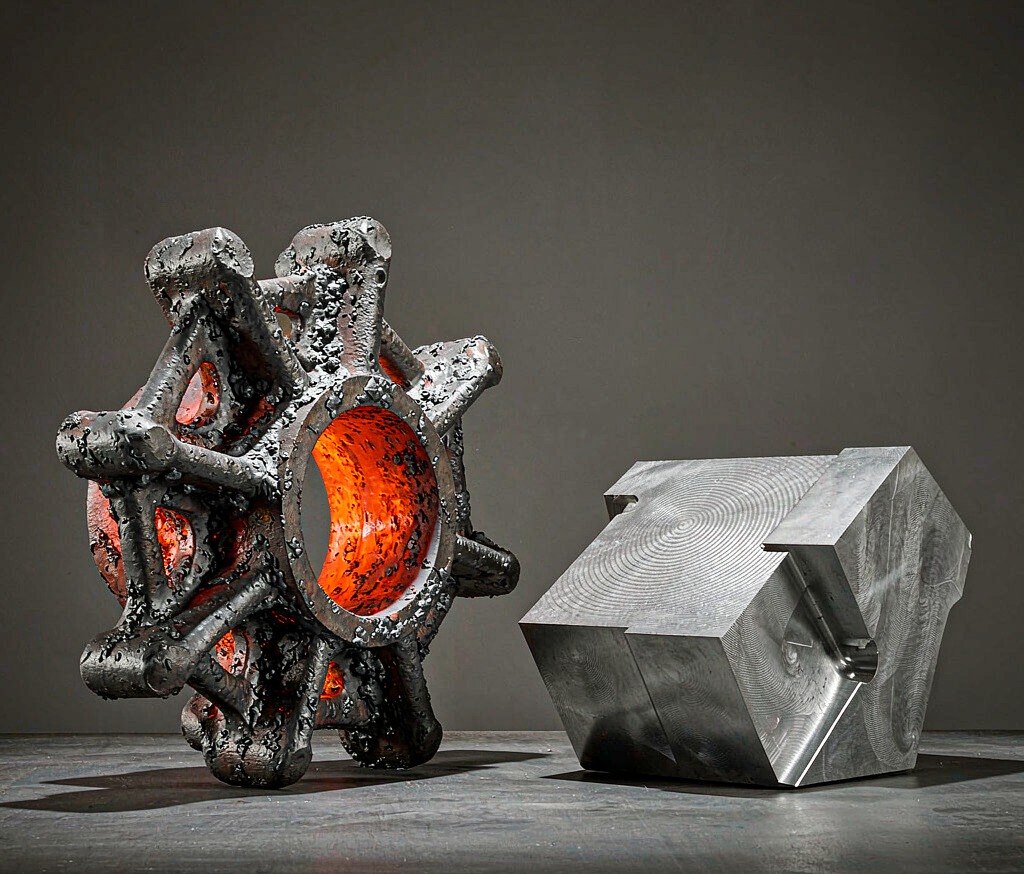
Two Paths to a Finished Metal Part
Forging deforms heated metal in a die to near-net shape; machining cuts it from solid stock. A metal forging service delivers a part already close to final form with superior grain structure, while a CNC machining service delivers exact geometry from bar stock with no die. The question is whether you need the grain strength or the flexibility more.
Strength and Grain Flow
Forging keeps the metal’s grain continuous around corners and fillets, so forged parts resist fatigue and impact far better than machined parts, where cutting breaks the grain. For safety-critical brackets, pins, and linkages, hot forging or closed-die forging is the stronger choice, and cold forging adds precision and surface finish for smaller high-volume parts.
Tooling and Unit Cost
Forging needs dies, so it carries front-end cost that only pays back in volume. Machining has no tooling and quotes per part, ideal for low runs and spares. The break-even point depends on part size and annual volume, but forging pulls ahead as quantities rise because each shot is fast and scrap is low.
Tolerances and Finish
Machining holds tight tolerances and fine finishes directly. Forging holds looser as-forged tolerances and usually needs a CNC milling or CNC turning finish on critical faces, then a surface grinding pass for sealing surfaces. A combined forging plus machining workflow gives you both grain strength and precision in one supply chain.
Material Utilization
Forging near-net shape wastes little metal; machining can drop most of a billet as chips. For expensive alloys, that scrap difference is real money. Where weight and material cost matter, forging’s buy-to-fly ratio beats machining, and the lower energy per finished part adds up across a long program.
When to Forge, When to Machine
Forge when the part carries load, sees fatigue, or runs in high volume. Machine when tolerances are tight, volumes are low, or the design changes often. Many programs do both, as outlined in our hot forging services and machining guides, and our forging vs casting note adds the cast alternative when the part is larger still.
Common Forging vs Machining Mistakes
The classic mistake is machining a load-bearing part from solid stock when forging would have given it continuous grain flow and far better fatigue life. On safety-critical brackets, pins, and linkages, that choice can decide field failures. Forging costs more up front but the strength per dollar is hard to beat in service, and the near-net shape also wastes less expensive alloy.
The opposite error is forging a low-volume or frequently revised part, where the die amortization never pays back and every design change means a new tool. Match forging to volume and stability, and keep machining for the flexible, low-run work where no tooling is the whole point.
A third trap is over-machining the forged blank. Forge near the final shape and finish only the faces that truly matter, so you keep the grain benefit without paying for machining you did not need.
Forging vs Machining Selection Checklist
Answer these before you choose. They separate the parts that earn forged grain strength from the ones that only need machined precision.
- If the part carries fatigue or impact load, choose hot forging or closed-die forging for continuous grain flow.
- If tolerances are tight and volume is low, CNC milling wins because there is no die to amortize.
- Finish only the critical faces after forging with surface grinding to keep cost down.
- For expensive alloys, remember forging wastes less stock than machining, which matters on the per-part material bill.
Is cold forging an option for my part?
For smaller, high-volume parts, cold forging needs no heat and gives better surface and tolerance than hot forging, lowering the volume at which forging beats machining. It is worth asking when the run is large.
Frequently Asked Questions
Is forging stronger than machining?
Yes for dynamic loads. Forging preserves continuous grain flow along the part shape, so forged parts outperform machined parts of the same alloy in fatigue and impact, which is why safety parts are forged.
Is machining cheaper for low volumes?
Usually, because there is no die cost. Forging only wins on unit cost once volume spreads the tooling, so short runs and spares favor machining every time.
Can forged parts be precise?
They are precise enough near-net, then machined on critical faces. A forging plus machining sequence delivers both strength and tight tolerance, which is the standard for demanding production parts.
Does cold forging change the math?
Cold forging needs no heat and gives better surface and tolerance on small parts, lowering the volume at which forging beats machining. It is the high-volume cousin of hot forging for smaller components.
Can a forged part be replaced by a cast one to save cost?
Sometimes, if the load is static and the volume is high, casting can cost less than forging. But you lose the continuous grain flow, so fatigue and impact strength drop. Only swap to casting where the service condition truly allows the lower strength, and confirm with the engineer before changing the process on a load-bearing part.
Ready to Start Your Project?
Get a build-ready quote on your custom metal parts within 24 hours. Share your drawing and our engineers will respond with process, lead time, and pricing.

