
Powder Metallurgy vs CNC Machining: Which to Choose
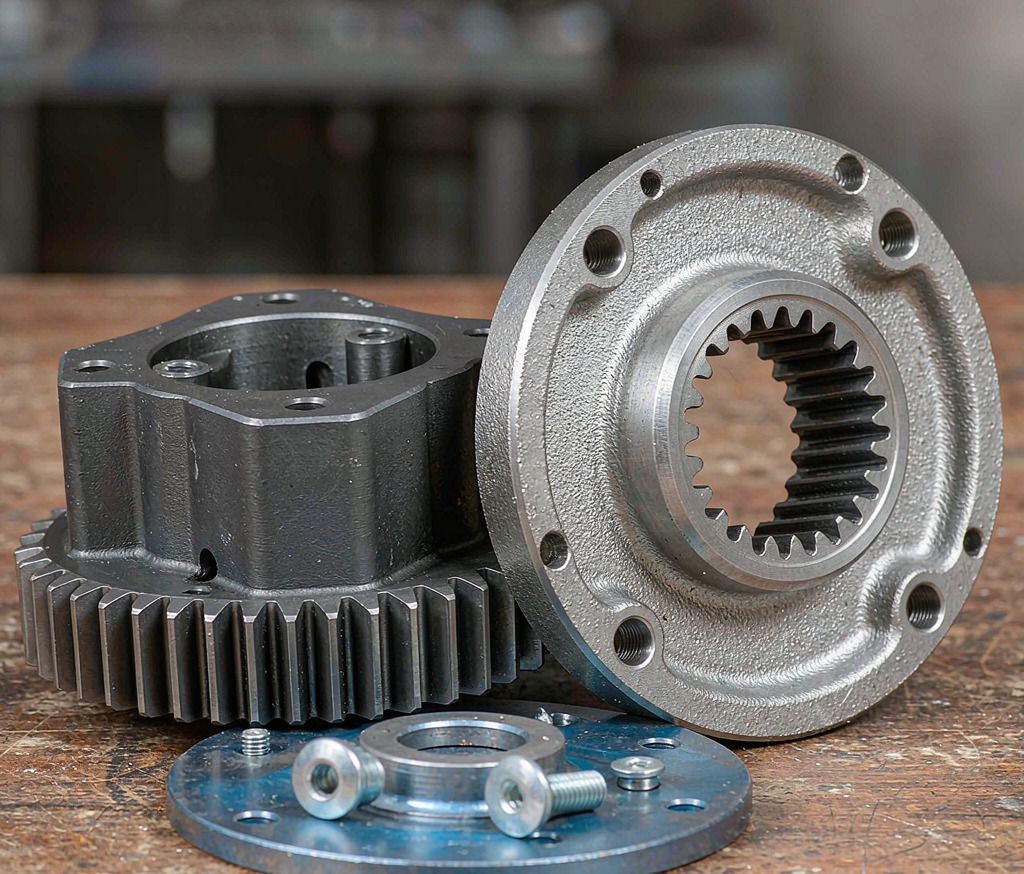
Two processes dominate custom metal part production: powder metallurgy (PM) and CNC machining. Both make precise, repeatable parts, but they sit at opposite ends of the volume-and-cost curve. This guide compares them head to head so you can choose the route that fits your quantities, tolerances, and budget—and avoid paying for capability you do not […]
Waterjet vs Plasma Cutting: Which Sheet Process to Choose
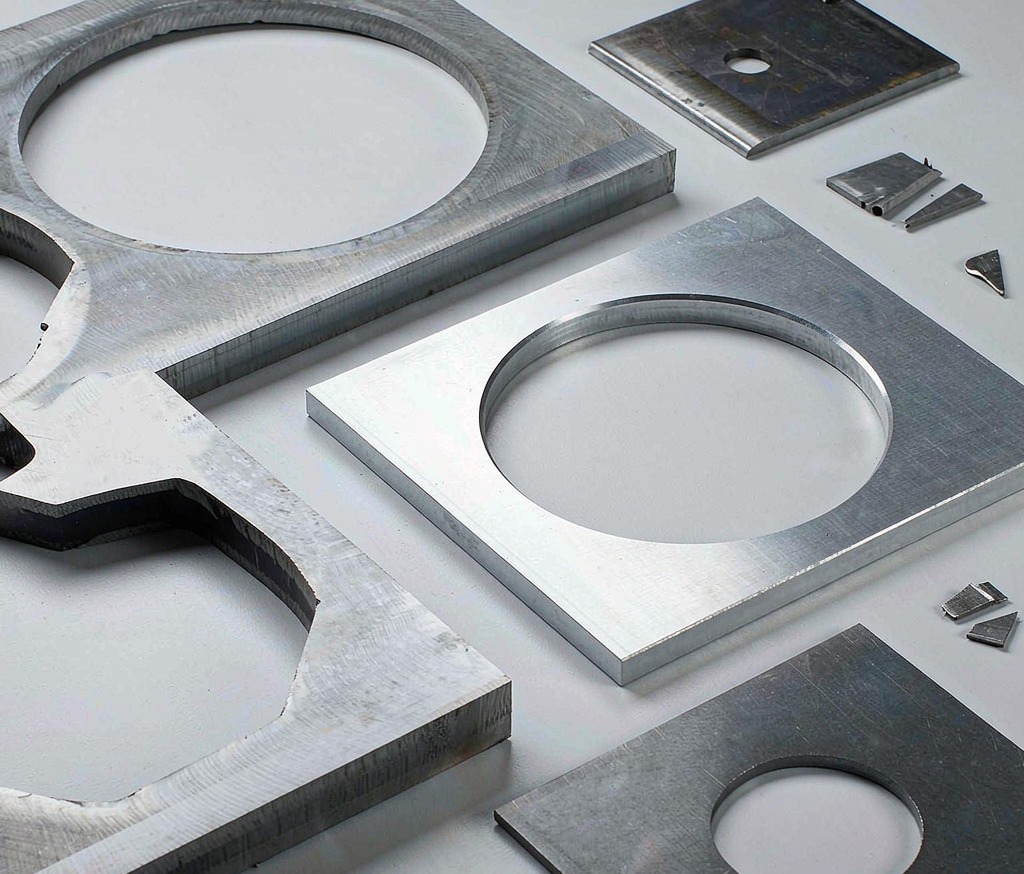
For cutting plate and sheet, the waterjet vs plasma cutting decision affects edge quality, material limits, and cost. Waterjet slices with a high-pressure abrasive stream; plasma melts with an ionized gas arc. Both are fast, but they suit different jobs. This guide helps you pick. See our waterjet cutting services and plasma cutting services for […]
CNC Machining vs Laser Cutting: Which Fabrication Method Wins?
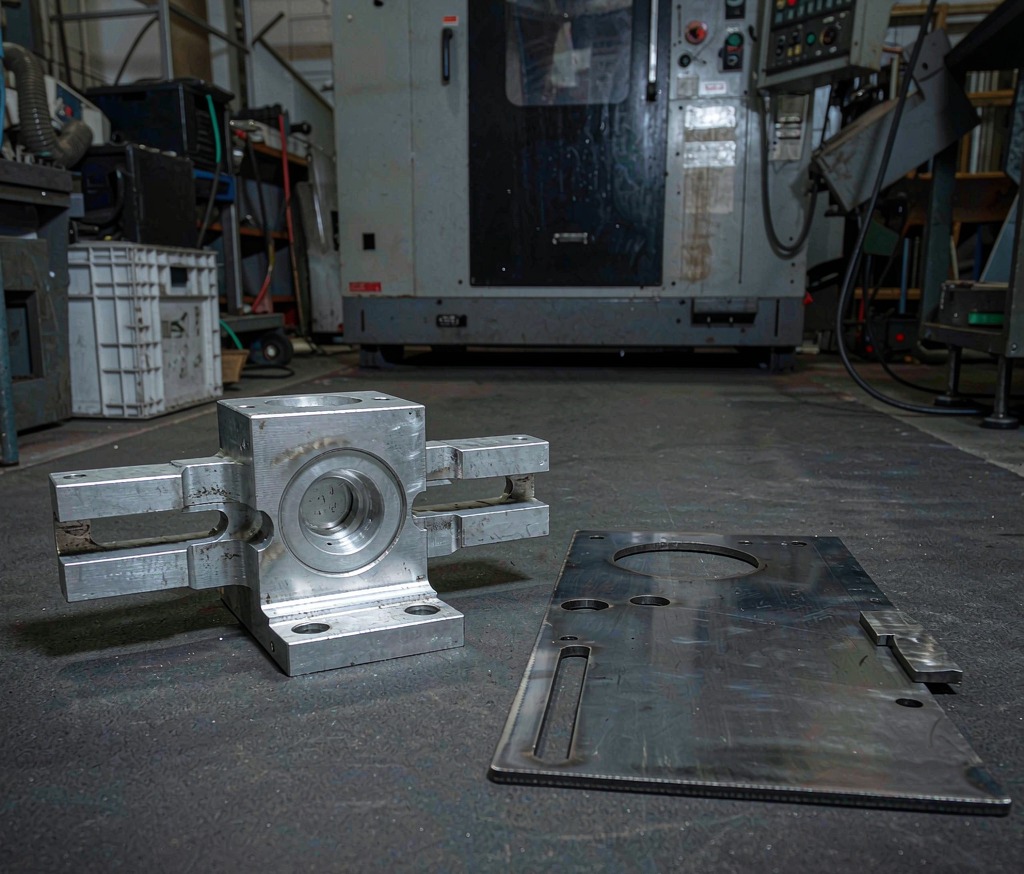
Both CNC machining vs laser cutting turn stock into finished metal, but one is 3D subtraction and the other is 2D profiling. Picking wrong means paying for capability you do not need — or missing capability you do. Here is the clean comparison so you can route a flat plate and a machined block to […]
Metal Stamping vs Forging: Strength, Cost & Volume Compared
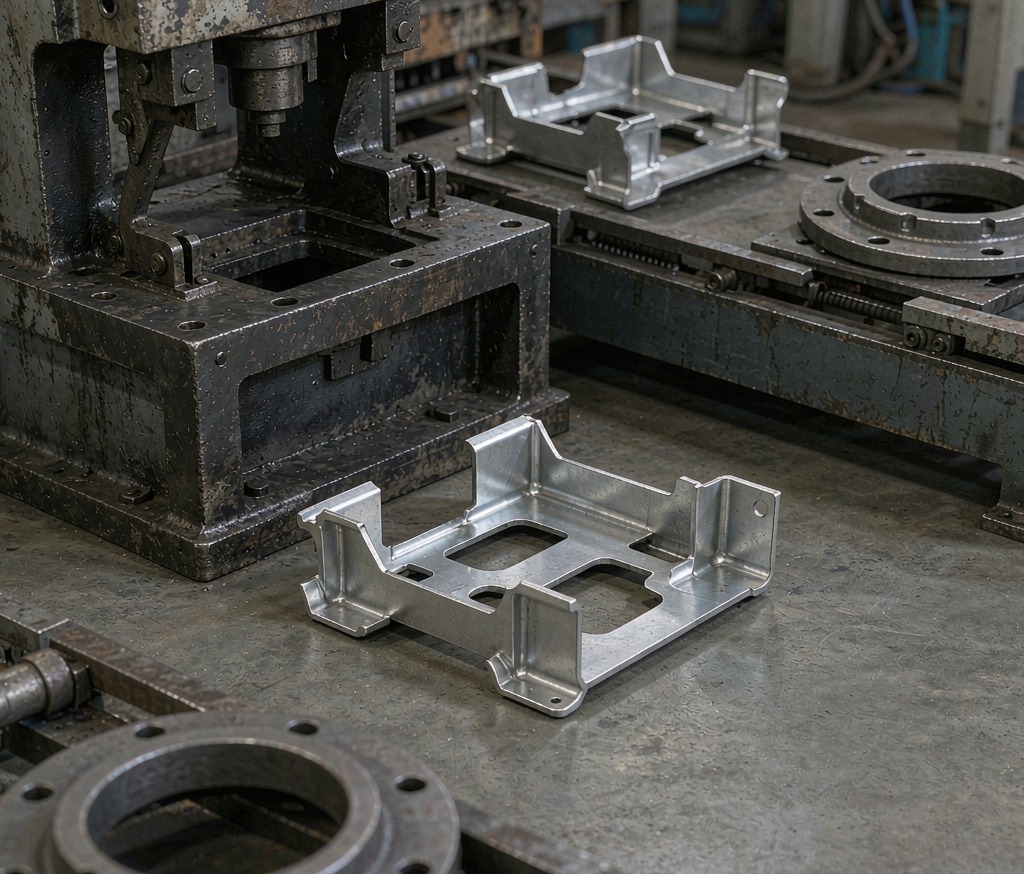
Two high-volume forming routes compete for brackets, flanges, and structural parts: metal stamping vs forging. Stamping shears and bends flat stock in a die; forging compresses heated or cold metal to flow the grain. The difference shows up directly in strength, cost, and the kind of geometry each can produce, and getting it wrong means […]
Laser Cutting vs Waterjet: Which Cutting Method Should You Use?
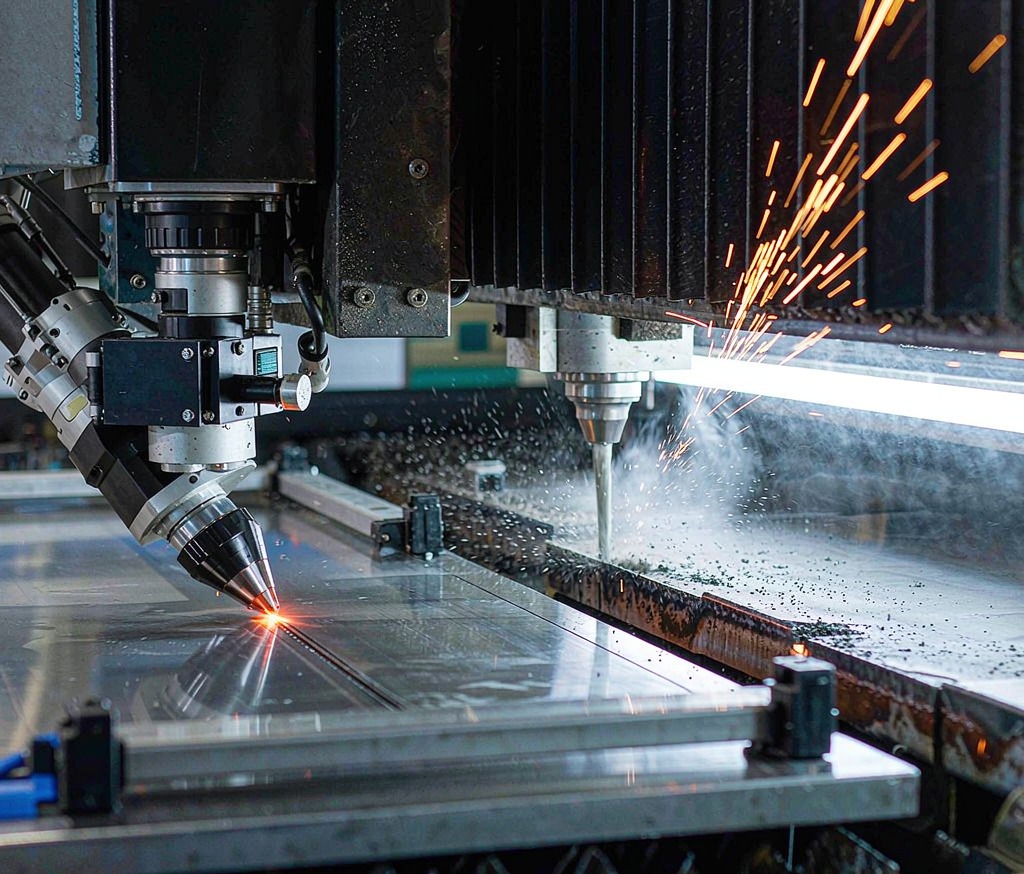
Cutting a flat plate to shape usually comes down to laser cutting vs waterjet. Both are non-contact, both handle sheet and plate, but they remove material in completely different ways — one with focused light, the other with pressurized abrasive slurry. The right pick depends on material, thickness, and how much edge quality matters, and […]
CNC Machining vs Casting: Choosing the Right Production Path
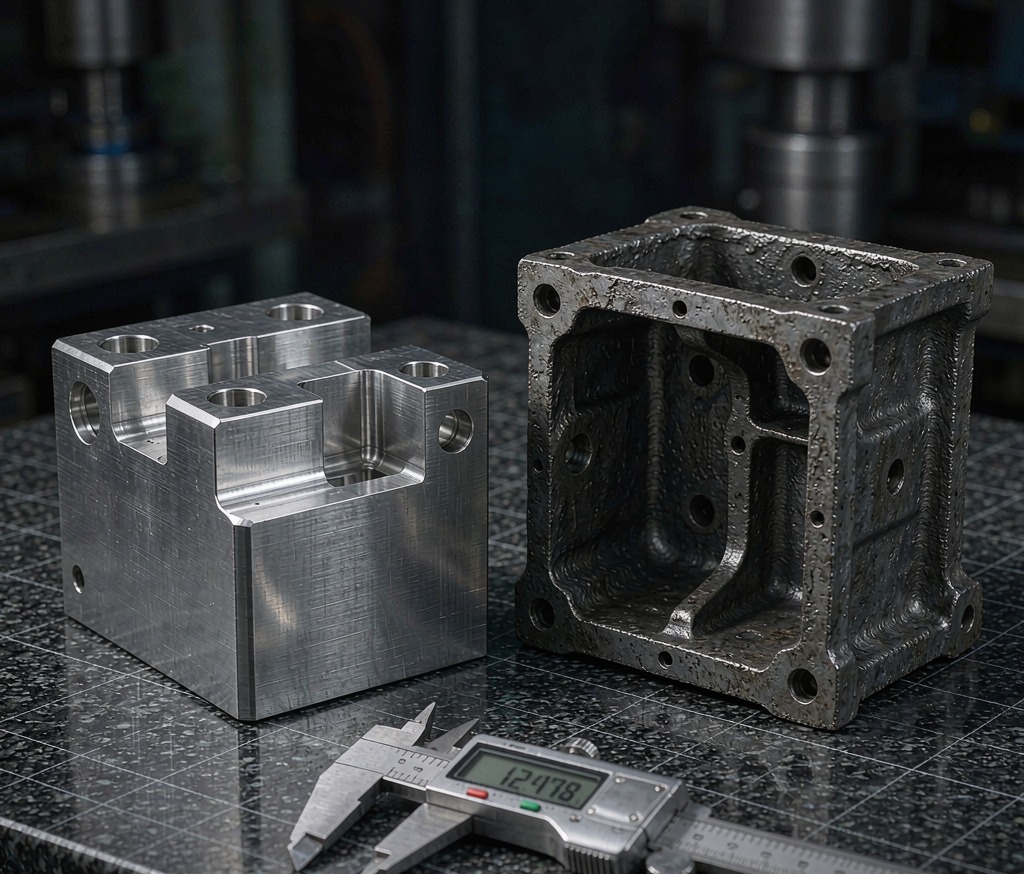
Engineers face the CNC machining vs casting decision on almost every new metal component. Machining starts from solid stock and removes material to a tolerance; casting pours molten metal into a mold and adds finish machining only where needed. Each path has a clear sweet spot in accuracy, cost, and volume, and the wrong choice […]
Sand Casting vs Investment Casting: Which Process Fits Your Metal Part?
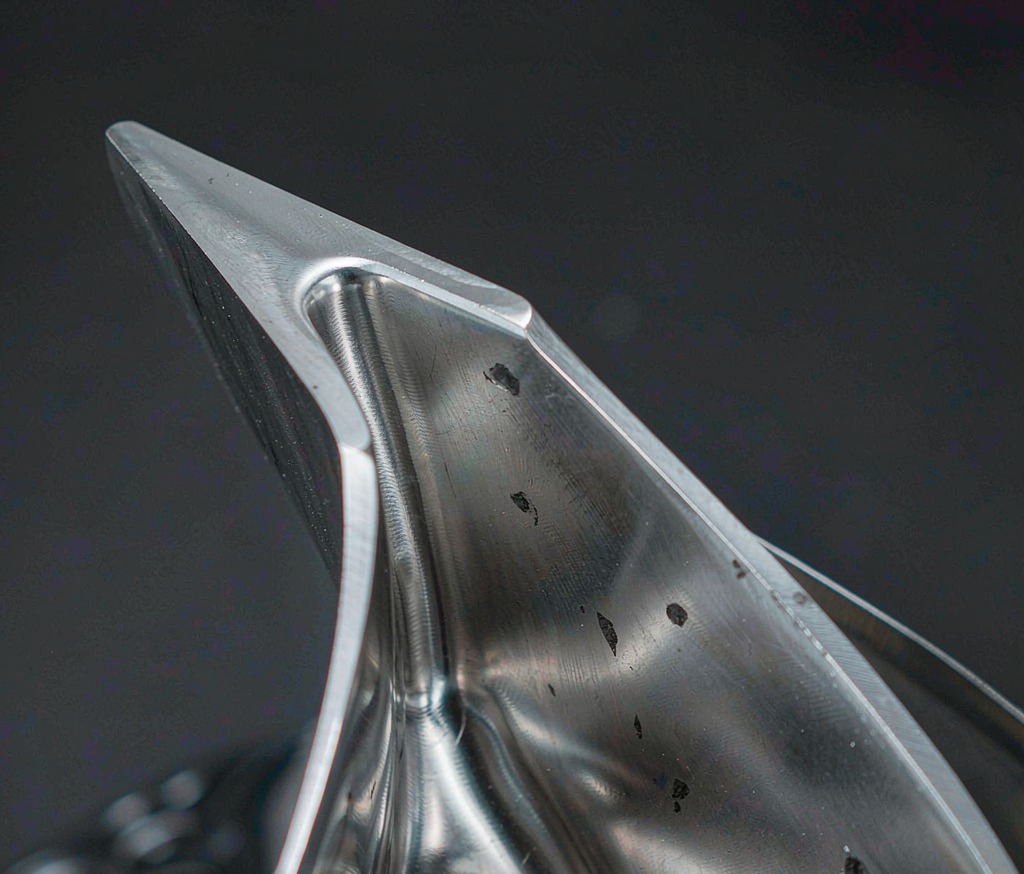
When you need a complex metal shape produced at volume, two foundry routes dominate the conversation: sand casting and investment casting. Both melt metal and pour it into a cavity, but the tooling, tolerances, and economics could not be more different. This guide breaks down sand casting vs investment casting so you can match the […]
Powder Metallurgy vs Casting: Density, Tolerance, and Volume
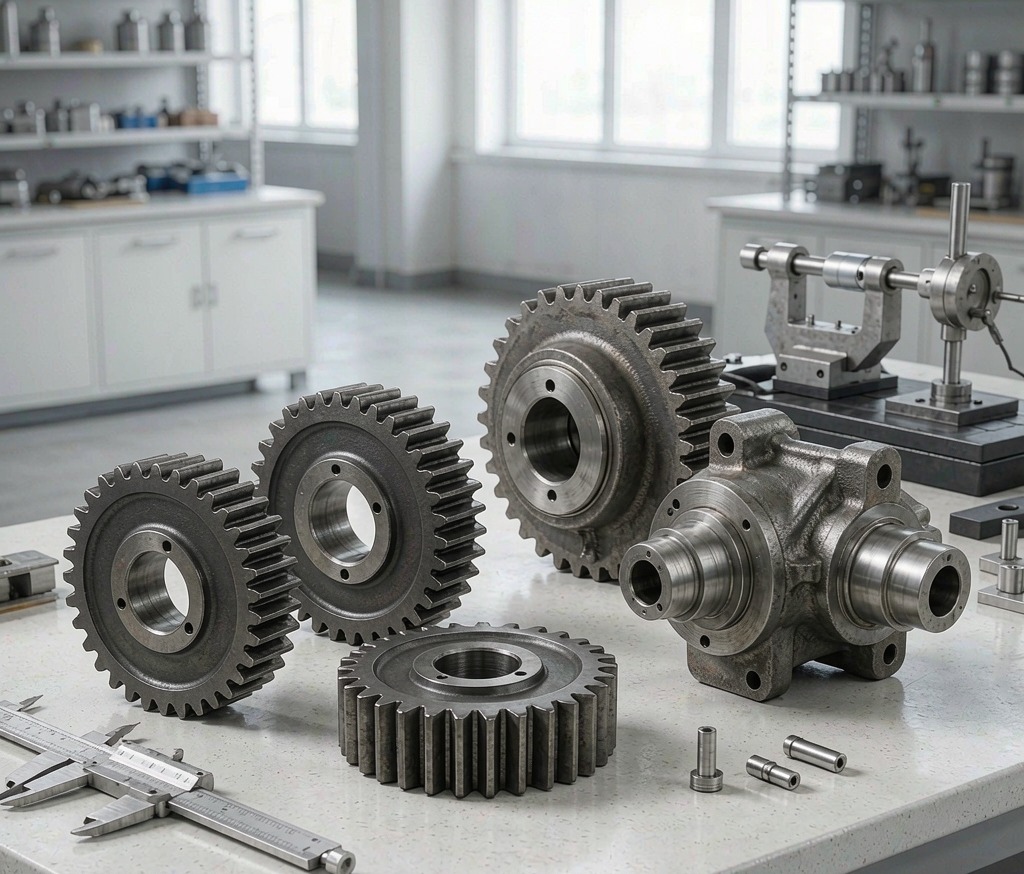
Powder metallurgy (PM) and casting both make near-net-shape metal parts without machining every feature, but they differ in density, tolerance, and economics. PM compacts metal powder and sinters it; casting pours molten metal into a mold. This comparison helps you choose for high-volume components, where the small per-part differences compound into real savings. Two Net-Shape […]
Forging vs Machining: Strength, Cost, and When to Choose Each
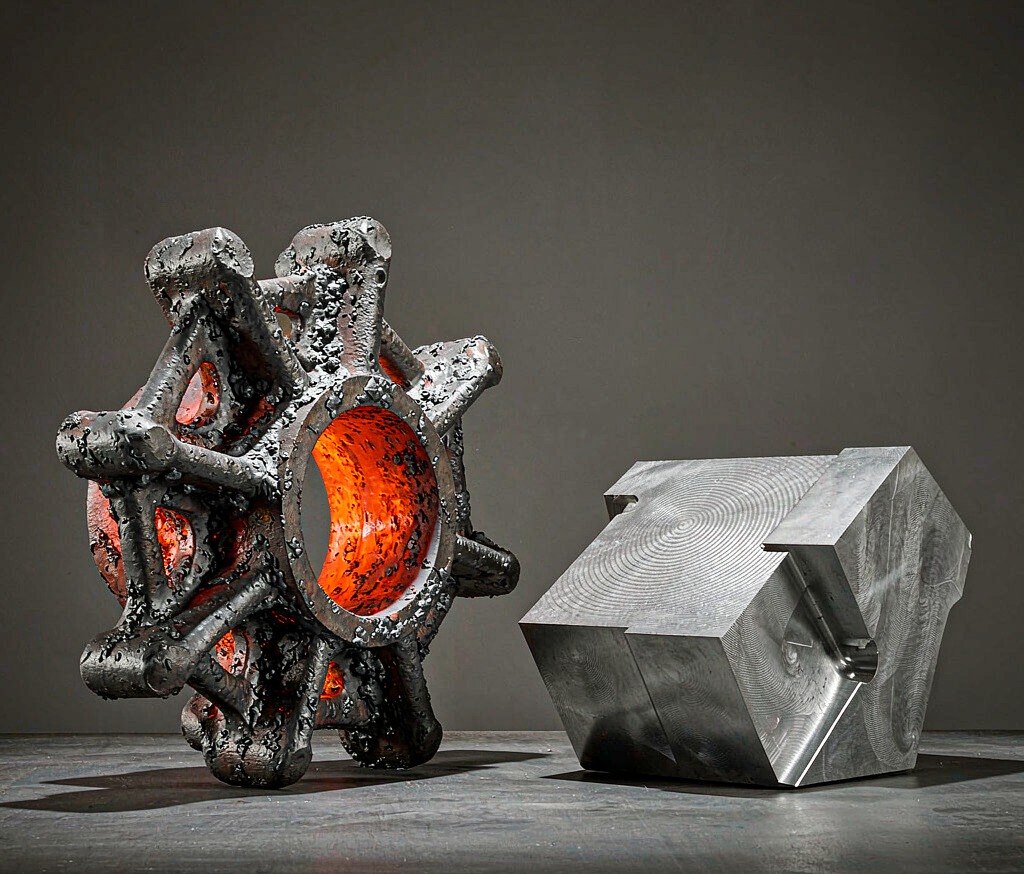
Forged or machined? For load-bearing metal parts, the answer shapes strength, cost, and lead time. Forging aligns the grain flow to follow the part’s shape, giving toughness machining cannot match; machining offers tolerance and flexibility with no tooling. This comparison helps you choose the right path whether you are building a prototype or a production […]
CNC Machining vs Metal Injection Molding: Cost, Volume, and Lead Time
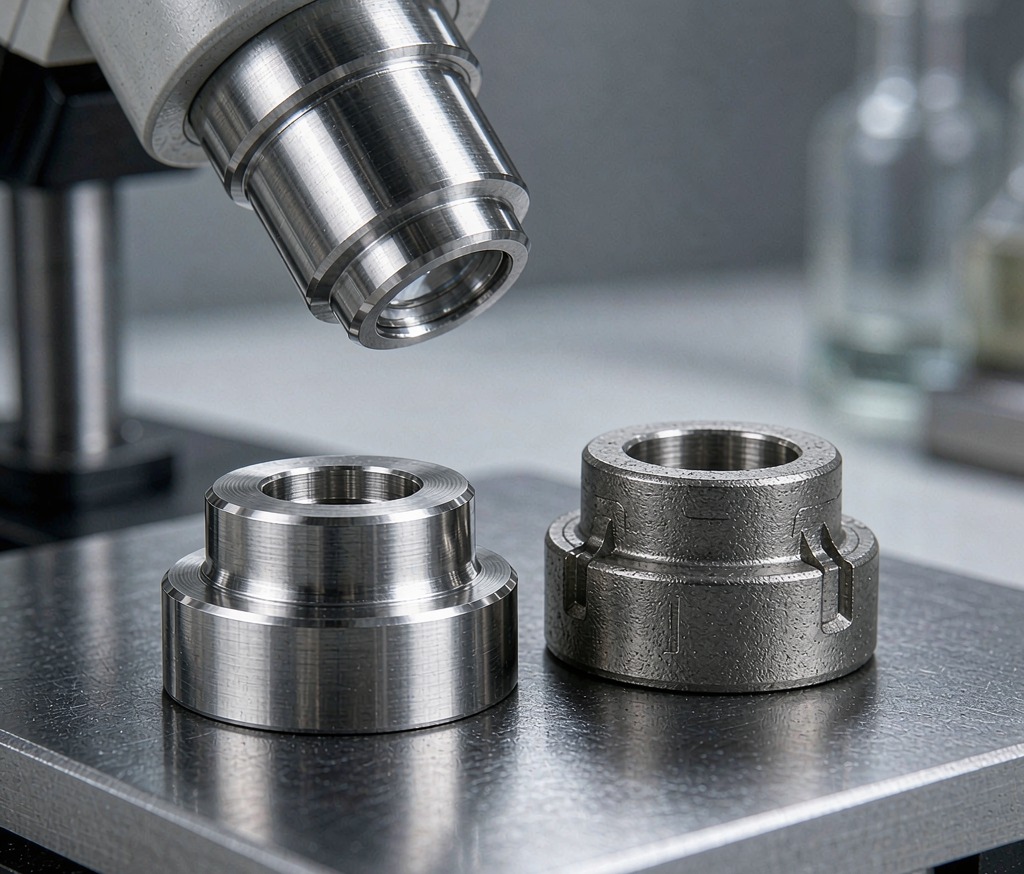
CNC machining and metal injection molding (MIM) sit at opposite ends of the make-versus-buy spectrum for metal parts. Machining starts from solid stock and removes what you do not need; MIM molds near-net shape from powder. This comparison weighs no-tooling flexibility against high-volume unit cost so you can choose with confidence, and avoid a tooling […]

