
When you need a complex metal shape produced at volume, two foundry routes dominate the conversation: sand casting and investment casting. Both melt metal and pour it into a cavity, but the tooling, tolerances, and economics could not be more different. This guide breaks down sand casting vs investment casting so you can match the process to your part’s geometry, quantity, and budget — and avoid the expensive mistake of choosing a method that only fits one of those three variables.
What Each Process Actually Does
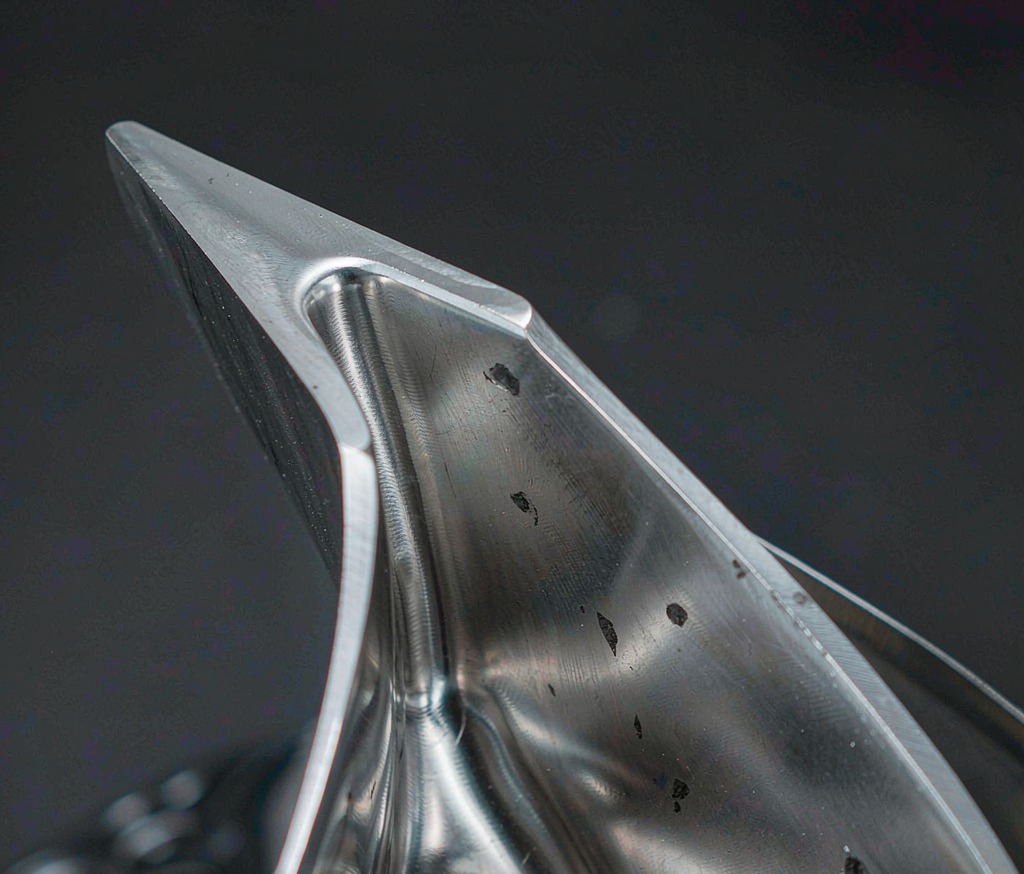
Sand casting packs a reusable pattern into bonded sand to form a mold, pours molten metal, and shakes the sand away after solidification. It is the oldest and most flexible method, capable of handling parts from a few grams up to several tonnes, and it tolerates very large cross-sections that other methods cannot. Investment casting, often called lost-wax casting, builds a ceramic shell around a wax pattern, melts the wax out, and pours metal into the hollow shell. The result is a near-net-shape part with far tighter tolerances and a smoother as-cast surface.
The fundamental distinction is the mold material. Sand is cheap and disposable; ceramic shell is precise and reusable in concept but consumed per job. That single difference cascades into everything else: how much machining you need afterward, how much the first article costs, and how quickly you can move from drawing to delivery. Understanding it up front prevents the classic sourcing error of picking the cheaper mold and paying for it in secondary operations.
Dimensional Tolerance and Surface Finish
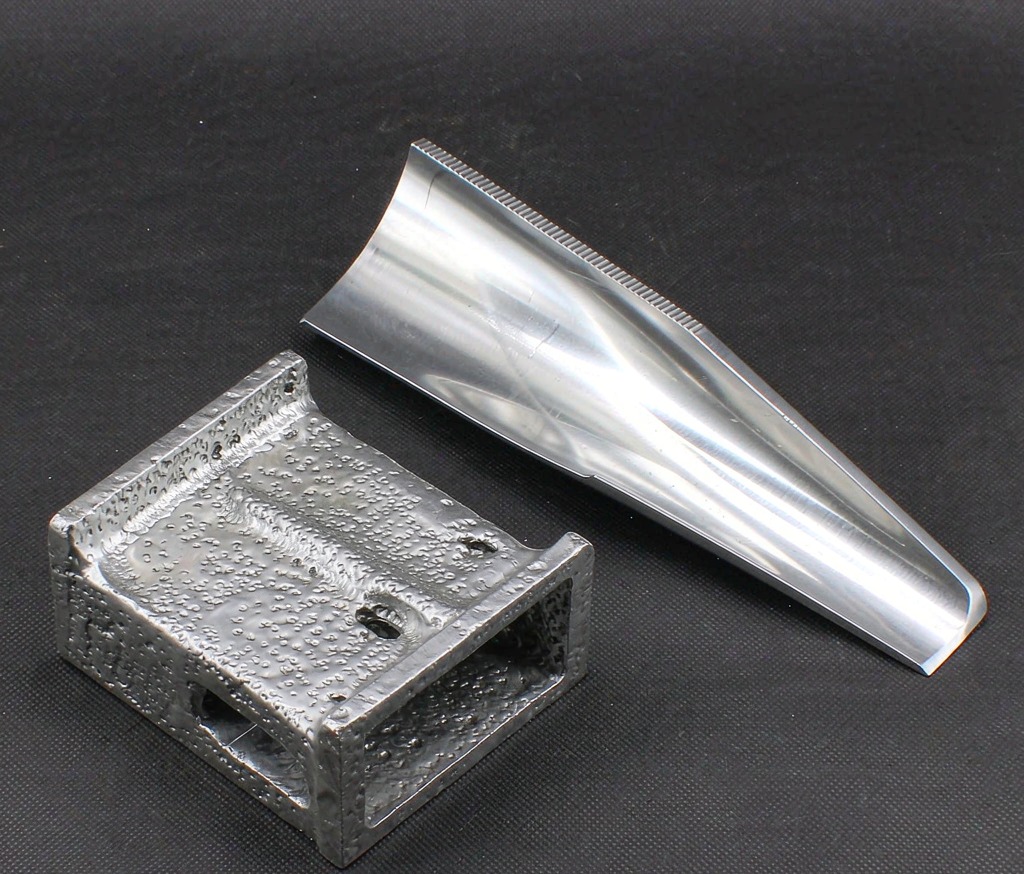
This is where the two processes diverge most sharply. Sand casting typically holds tolerances around ISO 8062 CT10–CT13, with an as-cast surface finish of Ra 12.5–50 µm that almost always needs secondary CNC milling to reach a seal face, bearing seat, or threaded boss. Investment casting holds CT4–CT6 and finishes near Ra 1.6–3.2 µm straight out of the shell, often eliminating rough machining entirely and reducing scrap from datum-shift rework.
For thin walls, fine lettering, and internal passages, investment casting is in a different league. Sand casting struggles below about 3 mm wall thickness and shows core-offset variation; investment casting routinely holds 1.5–2 mm walls with aligned cores. If your part is a cosmetic or fluid-handling component where finish matters, the shell process pays for itself in avoided finishing.
Tooling and Setup Cost
Sand casting tooling is cheap — a wood or 3D-printed pattern can cost only a few thousand dollars, so prototyping is affordable and low-risk. Investment casting needs a dedicated die and ceramic shell program, pushing first-article tooling to tens of thousands of dollars. The break-even usually sits around 150–300 pieces: above that volume, the reduced machining on steel castings and other alloys pays the premium back quickly through lower per-part labor.
Hidden costs matter here. Sand casting’s low mold price conceals higher machining hours, higher scrap on complex parts, and more inspection. Investment casting’s higher tooling is amortized by near-net shape and first-pass yields above 98%. A true total-cost-of-ownership model almost always favors investment casting once complexity and quantity rise together.
Lead Time and Production Volume
Sand casting shines for one-offs and low volumes because there is almost no tooling queue. Investment casting is slower to set up but faster per part at scale once the shell line is running. If you only need a handful of replacement brackets, sand casting is the pragmatic choice; for thousands of identical precision castings, investment casting is cheaper in landed cost and more consistent part to part.
Volume also changes quality risk. At low quantity, sand’s variability is manageable. At high quantity, the repeatability of the shell process — same wax, same slurry, same firing curve — gives you statistical control that sand simply cannot match without extensive sorting.
Material and Design Freedom
Both processes handle steel, stainless, and most alloys. Sand casting tolerates very large masses and simpler geometries; investment casting handles intricate contours, undercuts, and alloys that are difficult to machine, such as Inconel and 17-4PH. Our die casting and gravity casting lines cover high-volume non-ferrous parts where a permanent mold beats sand economics, giving you a third option when the alloy is aluminum or zinc.
How to Choose the Right Process
Match sand casting to large, simple, low-volume, or prototype parts where tooling cost matters most. Choose investment casting for small-to-medium complex parts at medium-to-high volume where tight tolerance and minimal machining drive down landed cost. If you are weighing casting against other routes entirely, our comparison of forging vs casting and the investment casting guide will help you narrow the field further before you request a quote.
FAQ
Is investment casting always more expensive than sand casting?
No. Below roughly 150 pieces sand casting is cheaper, but above that the machining savings of near-net-shape investment casting usually make it the lower total cost of ownership.
Which gives the better surface finish?
Investment casting, by a wide margin — typically Ra 1.6–3.2 µm as-cast versus Ra 12.5–50 µm for sand casting, which then needs machining.
Can both processes use stainless steel?
Yes. Both sand and investment casting regularly run 304, 316, and 17-4PH stainless, though investment casting is preferred for corrosion-critical and thin-wall parts.
How do I decide between investment casting and die casting?
See our breakdown of investment casting vs die casting for alloy, volume, and tolerance trade-offs between the two net-shape methods.
Ready to Start Your Project?
Get a build-ready quote on your custom metal parts within 24 hours. Share your drawing and our engineers will respond with process, lead time, and pricing.

