
Metal Casting Services Compared: Sand, Die, Investment & When to Choose Each
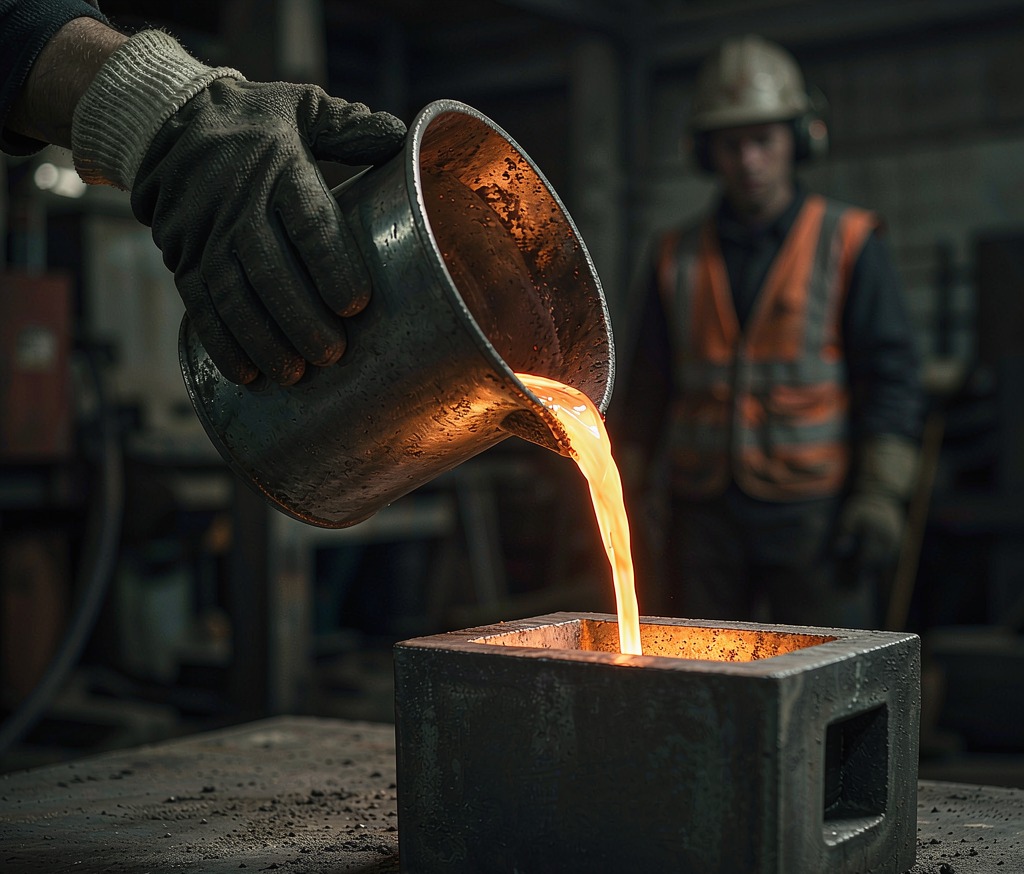
Metal casting services turn molten metal into near-net-shape parts that would be slow or impossible to machine from solid stock. Sand, die, investment, and gravity casting each solve different problems around geometry, volume, and material. This guide compares the four main processes so you can pick the right casting method — and know when to […]
Low-Pressure Die Casting for Strong, Thin-Wall Aluminum Parts
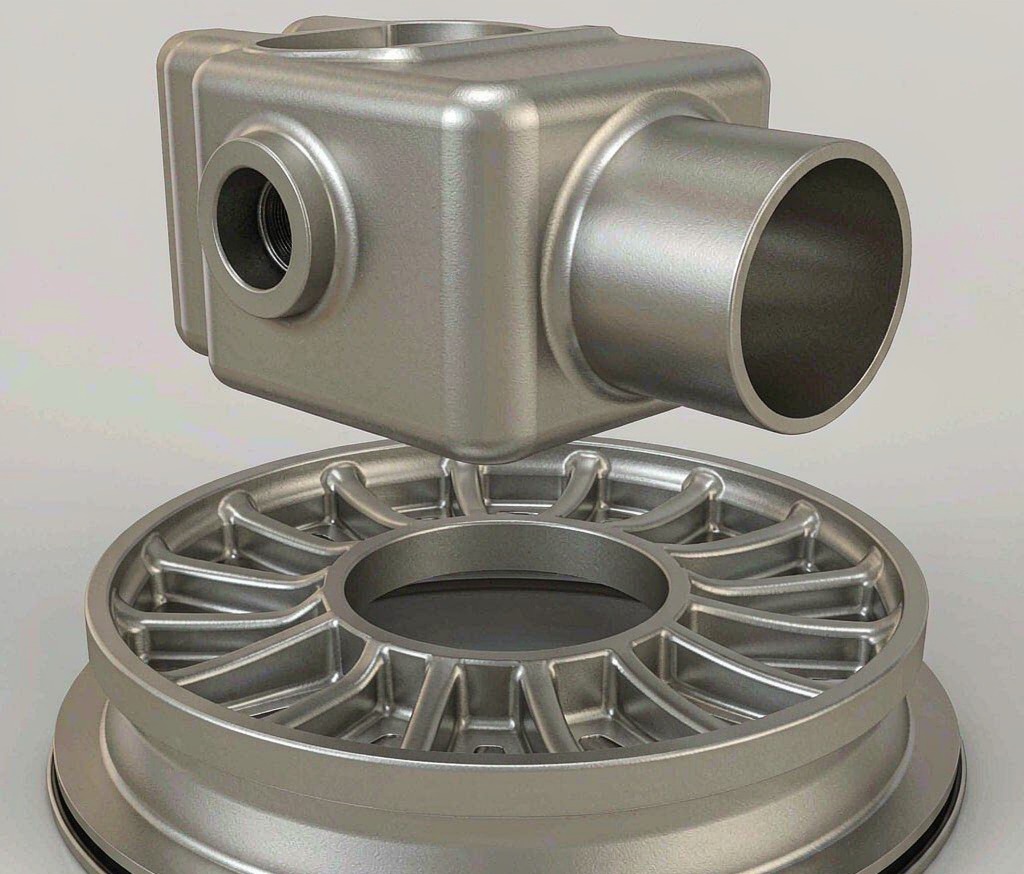
High-pressure die casting is fast, but its turbulent fill can trap gas and porosity that blocks heat treatment and welding. Low-pressure die casting (LPDC) takes a different path: it pushes molten aluminum upward into the die under a gentle, controlled pressure, filling calmly from the bottom. The result is a denser, more uniform part that […]
Turbine Blade Manufacturing: 5-Axis CNC and Investment Casting
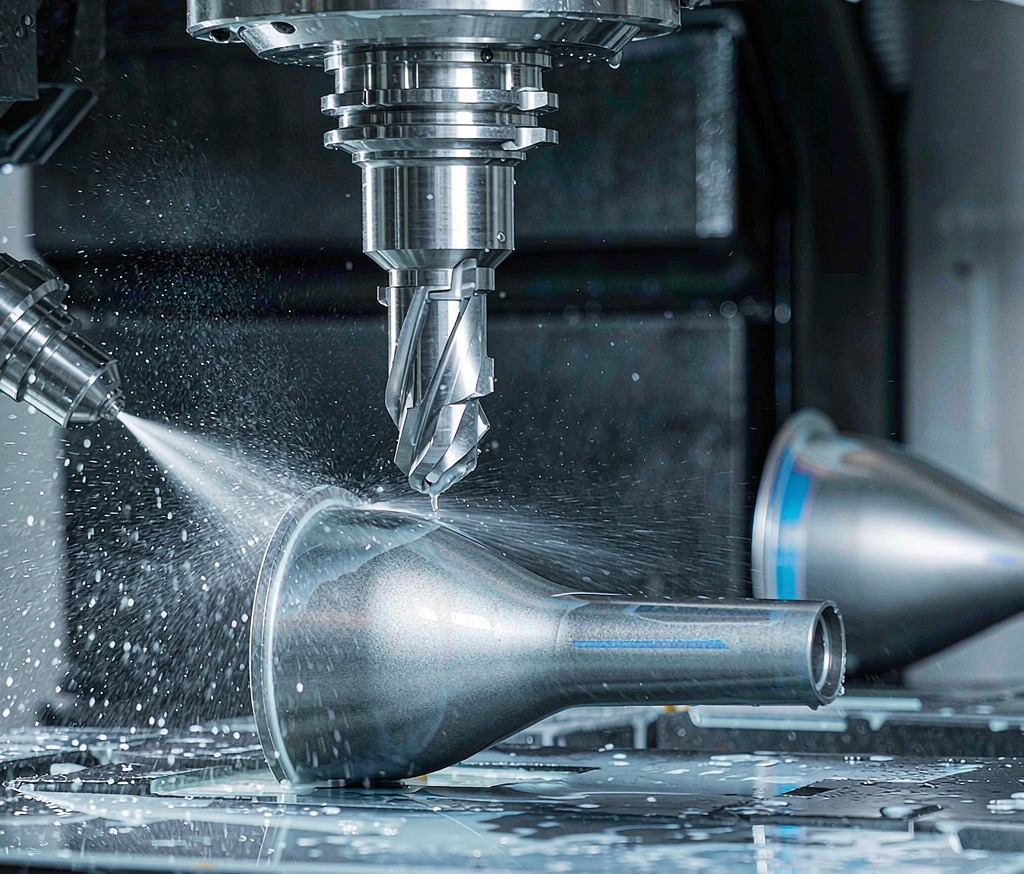
Turbine blades are among the most demanding components in all of metal manufacturing. They sit in a stream of hot, high-pressure gas, carry enormous centrifugal loads, and must hold an airfoil shape within tight tolerances for years. Making them calls for a combination of near-net-shape casting and high-accuracy machining. For engineers specifying blades for aerospace […]
Wind Turbine Metal Components: Hubs, Housings, Shafts & Brackets
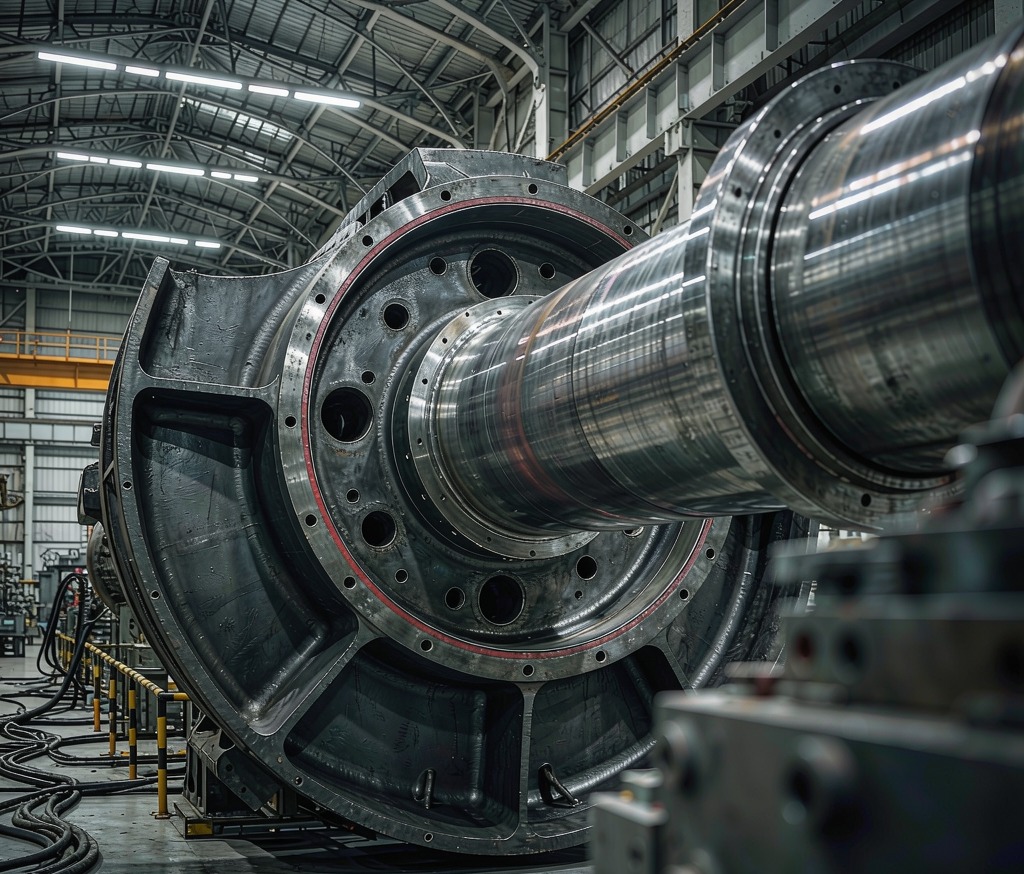
Wind turbines are mostly metal, and the largest, most demanding metal components—hubs, main shafts, housings, and brackets—decide both the cost of the machine and how long it runs before maintenance. These parts are big, heavy, and subject to fatigue loads that punish any defect. Manufacturing them well means marrying large casting with precision machining and […]
CNC Machining vs Casting: Choosing the Right Production Path
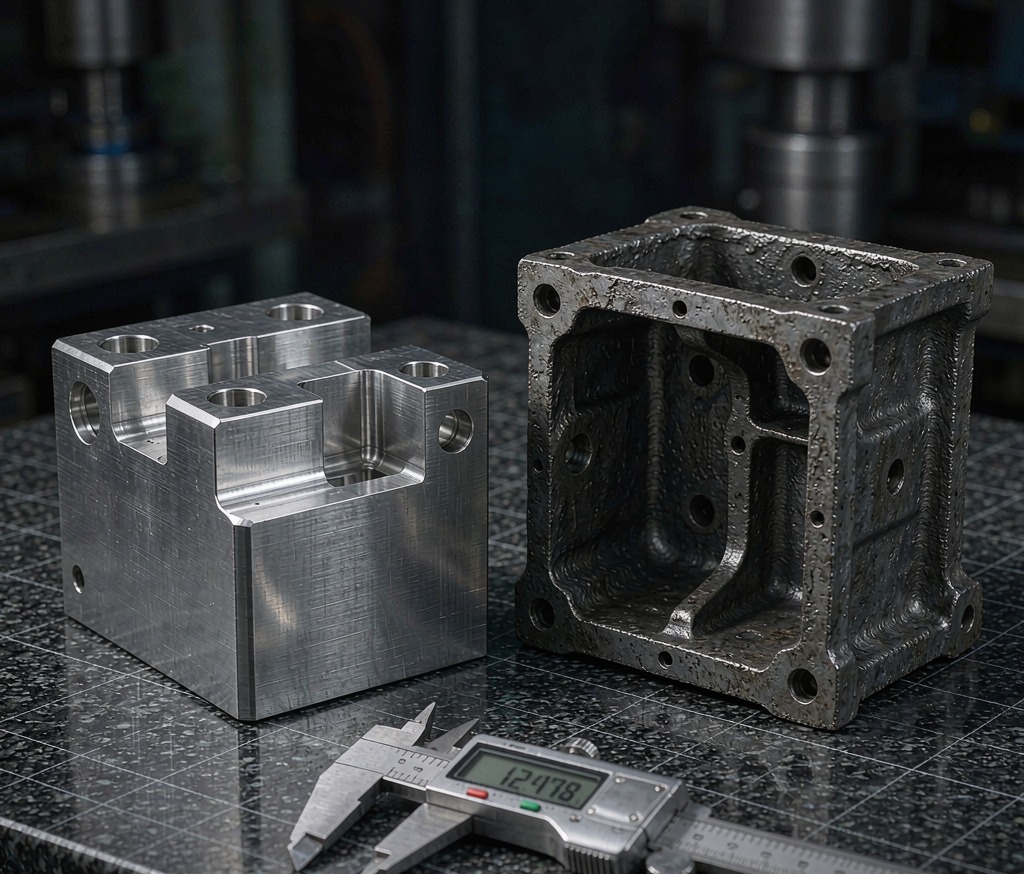
Engineers face the CNC machining vs casting decision on almost every new metal component. Machining starts from solid stock and removes material to a tolerance; casting pours molten metal into a mold and adds finish machining only where needed. Each path has a clear sweet spot in accuracy, cost, and volume, and the wrong choice […]
Sand Casting vs Investment Casting: Which Process Fits Your Metal Part?
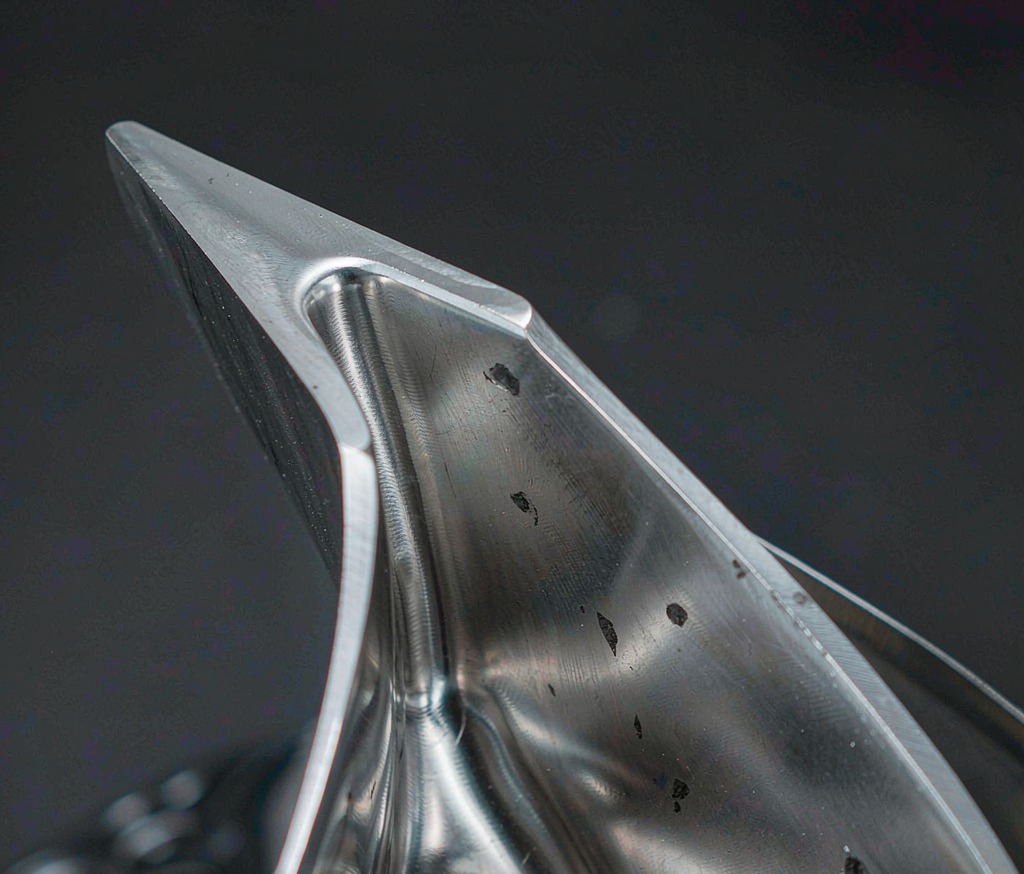
When you need a complex metal shape produced at volume, two foundry routes dominate the conversation: sand casting and investment casting. Both melt metal and pour it into a cavity, but the tooling, tolerances, and economics could not be more different. This guide breaks down sand casting vs investment casting so you can match the […]
Powder Metallurgy vs Casting: Density, Tolerance, and Volume
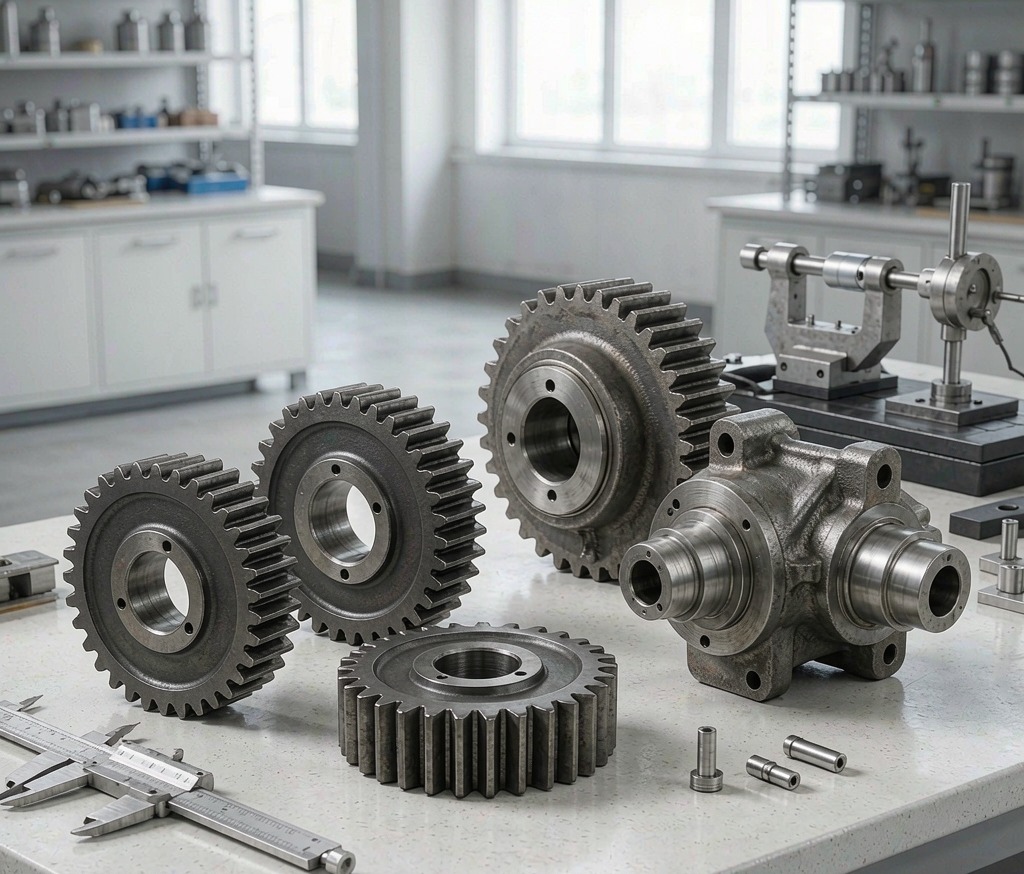
Powder metallurgy (PM) and casting both make near-net-shape metal parts without machining every feature, but they differ in density, tolerance, and economics. PM compacts metal powder and sinters it; casting pours molten metal into a mold. This comparison helps you choose for high-volume components, where the small per-part differences compound into real savings. Two Net-Shape […]
Investment Casting vs CNC Machining: Which for Your Metal Part?
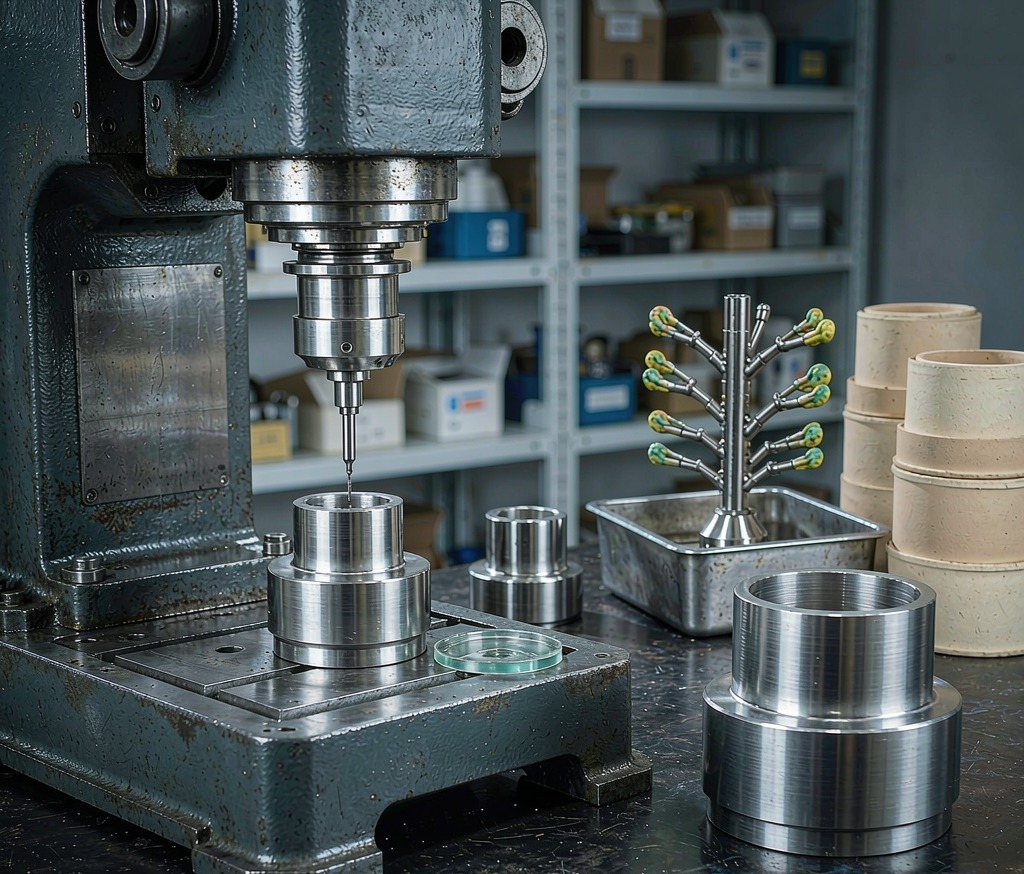
Two processes dominate precision metal part production, and they sit at opposite ends of the make-vs-machine spectrum. Investment casting grows a near-net-shape part from a wax pattern and molten metal; CNC machining removes material from a solid block to reach the final form. Both can hit tight tolerances, but the right choice depends on geometry, […]
Sand Casting vs Die Casting: How to Choose the Right Process
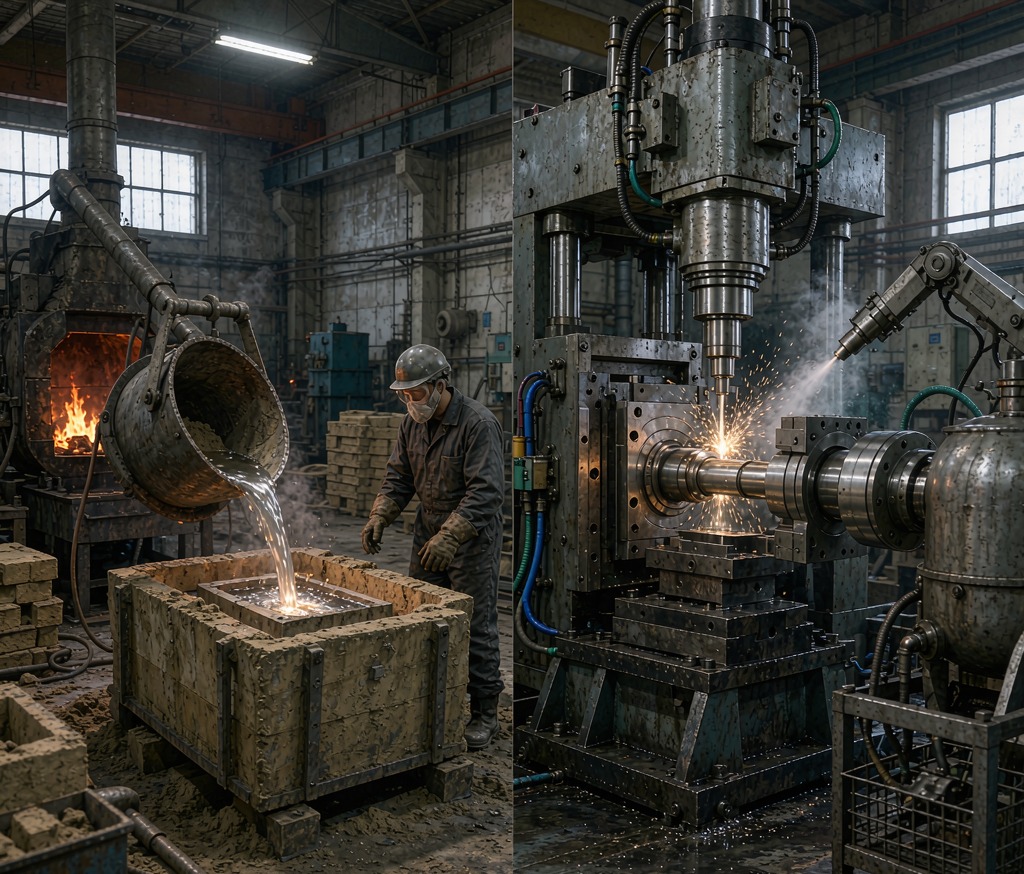
When you need a metal part produced at scale, the oldest question in procurement keeps coming back: sand casting or die casting? Both turn molten metal into a solid shape, but they differ so sharply in tooling cost, volume economics, material range and surface quality that picking wrong can add real money to every unit […]
Pump Components Manufacturing: Casting, Machining, and Finishing for Fluid Systems
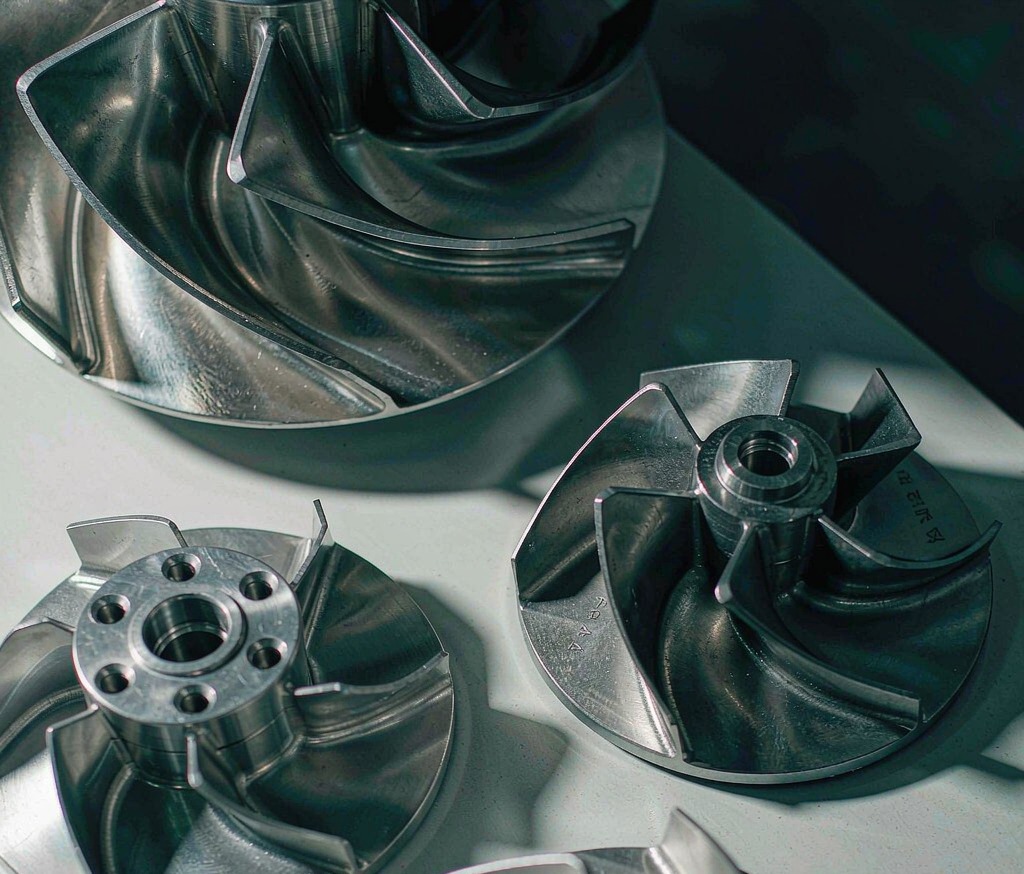
Pumps move the world’s fluids, and every one of them is a small library of precision parts: impellers, casings, shafts, wear rings, and seals. Pump components manufacturing sits at the intersection of casting, machining, and finishing, because a part that is right on the drawing but wrong on the hydraulic profile leaks and vibrates. This […]

