
Monel K500 pairs the legendary seawater corrosion resistance of Monel 400 with age-hardening strength, making it a favorite for valve trim, pump shafts, and marine hardware that must survive decades underwater. But that strength comes from a precipitation-hardening step that also makes Monel K500 machining a two-stage discipline. This guide walks buyers through machining the alloy in both the solution-annealed and age-hardened conditions.
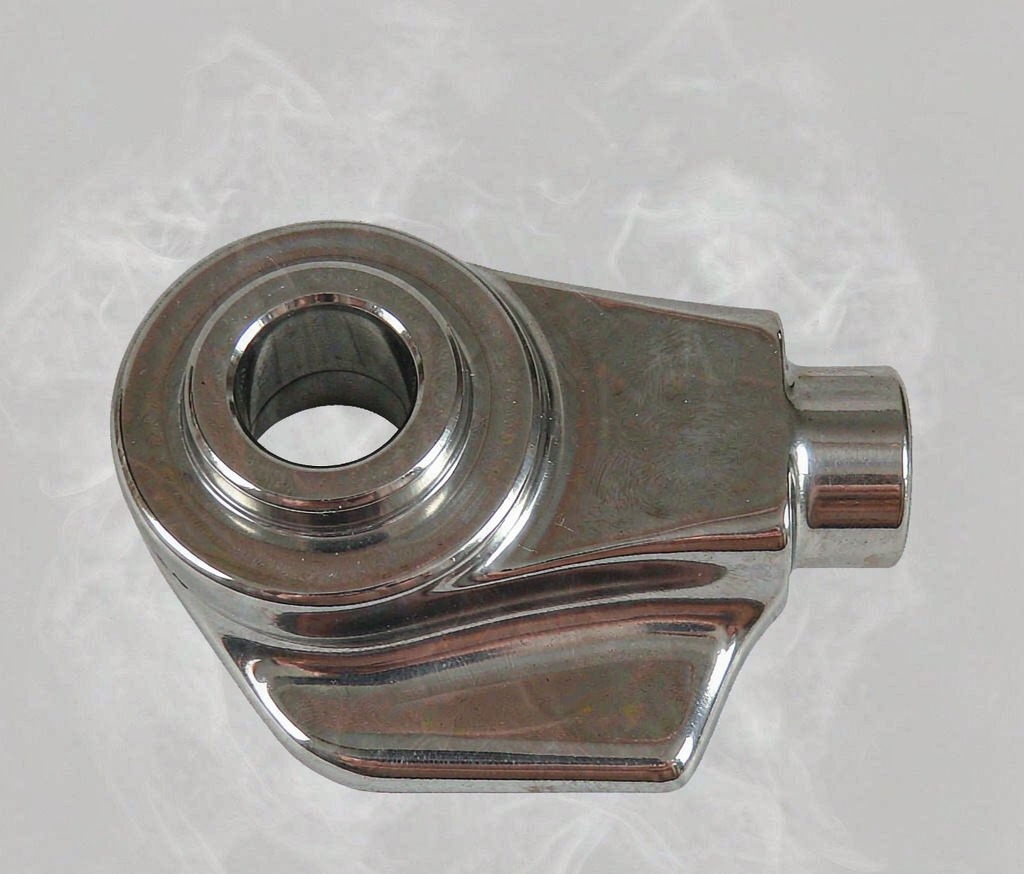
What Makes Monel K500 Unique
K500 is a nickel-copper alloy with small aluminum and titanium additions that precipitate as Ni3(Al,Ti) during aging, roughly doubling yield strength versus 400. In the soft annealed state it machines much like 400; in the age-hardened state it is markedly more abrasive on tooling. Most shops rough in the annealed condition and age-harden afterward, then finish critical features. Both CNC milling and CNC turning are used across the sequence.
Machining and Age-Hardening
Roughing annealed K500 with sharp carbide and positive rake keeps costs reasonable. After aging, finish cuts need rigid setups and wear-resistant grades because the hardened surface is gummy yet abrasive. Complex forged shapes are often pre-formed by casting plus machining workflows to save material. Thin or asymmetric parts benefit from 5-axis CNC machining to hold geometry in one chucking.
Tolerances and Surface Options
Aged K500 can be held to ISO 2768-m commercially, with grinding bringing sealing surfaces into tighter bands. Because the alloy work-hardens, consistent depth of cut is essential. Final passivation and sometimes nickel plating are specified for parts in stagnant or polluted seawater to limit fouling and crevice attack.
Marine and Chemical Applications
K500 is the go-to for pump shafts, valve stems, propeller shafts, and fasteners in seawater and sour service. Its non-magnetic, spark-resistant nature also suits it to instrument and safety hardware. When comparing nickel-copper to nickel-chromium options, our posts on Monel machining services“>Monel machining services and Hastelloy machining services“>Hastelloy machining services lay out the corrosion and strength trade-offs.
Avoiding Distortion and Galling
Two failure modes dominate K500 in the field: distortion from an uncoordinated anneal-age-finish route, and galling of threaded or sliding surfaces. Plan grind stock for the hardened state, and consider anti-galling surface options or controlled clearance on mating features. A supplier that raises these points unprompted is managing your risk, not just billing hours.
FAQ
Should I machine K500 before or after aging?
Rough before aging, then finish machine the aged part. This avoids warpage from the precipitation step and reduces tool wear on the hard surface.
Is K500 magnetic?
Essentially non-magnetic in the annealed condition, with only slight response after heavy cold work. That matters for sensor and instrumentation parts.
How do I verify the alloy?
Require a mill test report and PMI. Shops offering nickel alloy machining services“>nickel alloy machining services should supply both and welcome the check.
Sourcing and Quality Checks
When you request a quote, note the service environment, required hardness, and any non-magnetic constraint. A supplier that plans the anneal-age-finish route with you will deliver parts that hold dimension and survive the duty, while a shop that simply “turns it down” risks distortion and premature wear.
Inspection and Acceptance
For K500, confirm the aged hardness band and that dimensions were checked after aging, not before. PMI plus a hardness spot check is the minimum. For sour-service parts, request NACE-related documentation where applicable, because the duty environment, not the drawing alone, defines what is acceptable.
Common Pitfalls to Avoid
Buyers often forget that K500 distorts during aging and then wonder why a pre-aged tolerance was lost. Plan grind stock, and avoid galling by specifying anti-galling finishes on threaded interfaces. Cheaping out on certification is the other classic error: a mill test report is your only proof the part is K500 and not a look-alike copper-nickel.
Working With a Machining Partner
Send the environment, the hardness target, quantities, and any non-magnetic requirement in one package. The more the shop knows, the tighter and more realistic the quote, and the fewer surprises at first-article. A supplier that asks about aging sequence and galling risk is managing your field performance, not just billing machine hours, and that is the partner worth keeping.
First Articles and Production Ramp
Release a first-article before volume, because the aging step is where dimensions can move. The first piece validates the anneal-age-finish route and the inspection record, and it lets you lock the process before committing stock. Proven routes then repeat cleanly, and you gain both confidence and a shorter lead time on reorders.
Total Cost of Ownership
K500 costs more than 400 up front, but the age-hardened strength and seawater life usually justify it for valve trim, shafts, and fasteners that must not fail. Weigh the installed life, not the raw price, and K500 tends to win where downtime is expensive and access is poor.
Quick Sourcing Checklist
Before you send the PO, confirm four things: the alloy is K500 with a mill test report, the hardness band is stated and will be checked after aging, the critical dimensions are toleranced for the aged state, and the finish or anti-galling need is written down. With those four lines clear, a capable shop will return parts that hold dimension and survive seawater or sour service without drama.
Final Note
If your duty is less aggressive, Monel 400 may be enough and cheaper; if you need maximum strength, discuss K500 aging detail with the shop. Matching the exact nickel-copper grade to the load is the simplest way to control cost without sacrificing the seawater life that makes Monel worth buying in the first place.
Ready to Start Your Project?
Get a build-ready quote on your custom metal parts within 24 hours. Share your drawing and our engineers will respond with process, lead time, and pricing.

