
Nickel alloys such as Inconel, Hastelloy, and Monel are the materials of last resort for the harshest duty: extreme heat, aggressive chemicals, and high sustained loads. They are also among the most difficult metals to cut. Nickel alloy machining demands the right tooling, speeds, and process discipline.
This guide covers why these alloys are so challenging, how the major families differ, the tooling and machining strategies that work, and where 5-axis and EDM unlock complex geometries. If your part lives in a turbine, reactor, or downhole tool, this is the starting point.
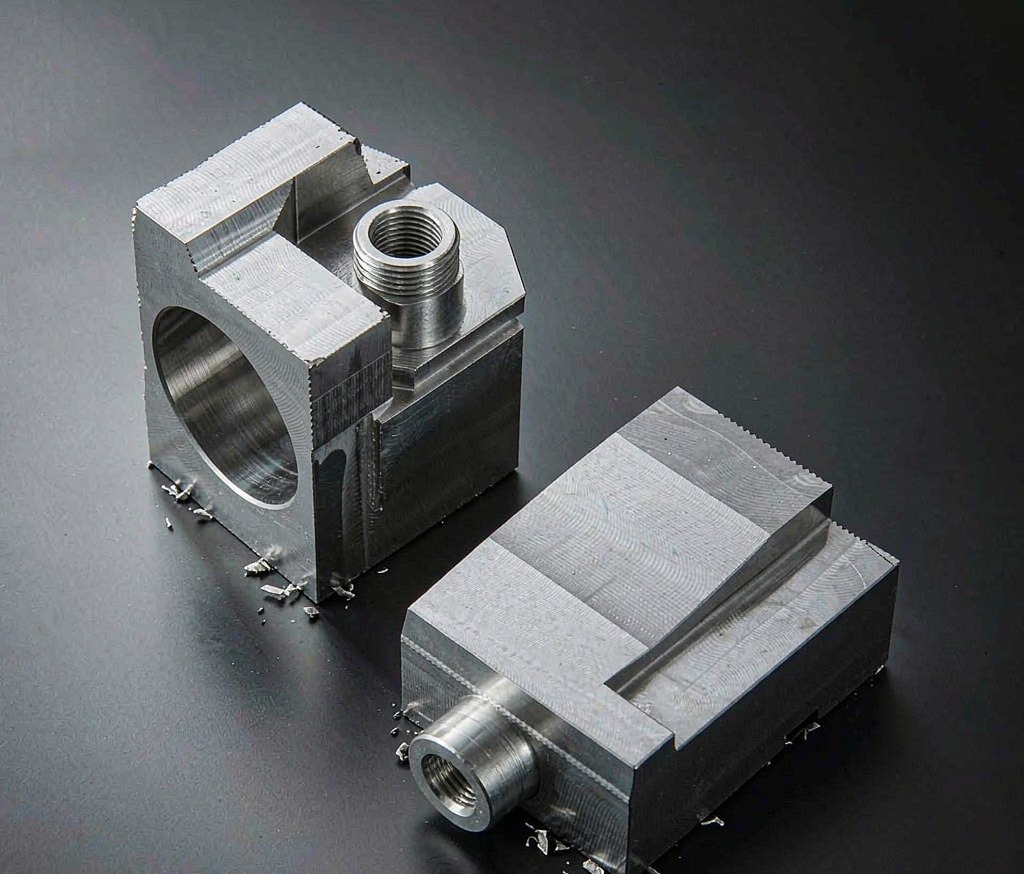
What Makes Nickel Alloys Difficult to Machine
Nickel alloys work-harden rapidly, have low thermal conductivity, and generate heat that stays near the cutting edge. This accelerates tool wear and can cause built-up edge if feeds are too low. The result is a narrow window of viable cutting parameters.
Success comes from rigid setups, sharp coated tools, positive rake angles, and enough feed to keep cutting rather than rubbing. Experienced shops treat Inconel machining as a discipline, not just another job on the list.
Inconel, Hastelloy, Monel, and More
Inconel grades resist heat and oxidation, making them staples in aerospace and power generation. Hastelloy excels in corrosive chemical service. Monel performs in seawater and resists biofouling. Each family needs slightly different tooling and coolant strategy.
These alloys are frequently specified alongside Hastelloy machining services and Monel machining services within the same program, so suppliers need broad superalloy experience rather than mastery of one grade.
Tooling and Strategy for Nickel Alloys
Carbide with heat-resistant coatings, low flute counts for chip evacuation, and flood or high-pressure coolant are the norm. Climb milling reduces work hardening versus conventional passes, and pecking controls heat in deep features.
Process planning matters as much as the machine. Starting with a proven parameter set for the specific alloy shortens the learning curve and protects both tooling and part.
5-Axis and EDM for Complex Geometries
Complex superalloy parts often need 5-axis CNC machining to reach angled features in a single setup, improving accuracy and reducing handling of expensive material. For slots, holes, and thin features that milling struggles with, EDM machining and wire EDM cut without mechanical force.
EDM is especially valuable when the alloy is so hard that conventional tools wear unacceptably. It trades speed for capability on the most demanding geometries.
Heat Treatment and Finishing
Many nickel alloys are supplied in a solution-annealed or aged condition; some are age-hardened after machining to reach final properties. Finishing focuses on cleanliness – passivation and careful surface grinding avoid contaminating reactive surfaces.
Because these parts often sit in regulated environments, traceability and material certification are as important as the cut itself.
Applications Across Industries
You will find machined nickel alloys in turbine disks, exhaust hardware, reactor vessels, downhole logging tools, and medical implants. The common thread is a location where failure is expensive and substitution is impossible.
For adjacent superalloy work, cobalt-chrome machining services follow similar principles and are often quoted within the same precision program.
Quality Control and Inspection
Superalloy parts demand rigorous checks: CMM verification of critical features, surface contamination control, and material certification. Because the raw stock is expensive, in-process inspection catches errors before they compound. Traceability from bar to finished part is standard on regulated work.
Lead Time and How to Request a Quote
Provide the drawing, alloy, condition, and any certification needs up front. Nickel alloy machining may run longer than carbon steel because of slower parameters and tool changes. Clear volume and tolerance information lets the shop plan tooling and avoid costly rework.
Common Cost Drivers in Nickel Alloy Machining
Nickel alloy parts cost more for clear reasons: the raw stock is expensive, cutting speeds are slow, and tool consumption is high. The biggest savings come from design choices – avoiding unnecessary tight tolerances, specifying the least expensive grade that meets duty, and consolidating features so the part needs fewer setups.
Because material is costly, minimizing waste matters. Near-net-shape preforms, single-setup 5-axis work, and careful feature nesting all reduce both scrap and machine time. Quoting with the finished drawing and annual volume lets a shop optimize the whole process rather than just the cut, which is where real savings appear.
Frequently Asked Questions
Why does Inconel wear tools so fast?
Its low thermal conductivity traps heat at the edge and it work-hardens under light cuts, so tools degrade quickly without the right parameters.
Can nickel alloys be milled or only turned?
Both. Turning handles round bodies; milling and 5-axis handle complex features, with EDM for slots and fine holes.
Is EDM better than milling for superalloys?
EDM avoids mechanical forces and tool wear but is slower. It is best for hard, intricate, or thin features milling cannot reach cleanly.
Do these alloys need special finishing?
Yes. Passivation and controlled grinding protect reactive surfaces; material certification is often required.
How do I reduce cost on a nickel alloy part?
Relax non-critical tolerances, choose the least expensive grade that meets duty, and consolidate setups with 5-axis machining.
Which alloy resists seawater best?
Monel is well known for seawater service, though the final choice depends on temperature and chemical mix.
Ready to Start Your Project?
Get a build-ready quote on your custom metal parts within 24 hours. Share your drawing and our engineers will respond with process, lead time, and pricing.

