
Aluminum 6082-T6 is the workhorse structural alloy across Europe and a close cousin of 6061. Its mix of strength, corrosion resistance, and excellent machinability makes aluminum 6082 machining a daily task for brackets, rails, and frameworks. This guide covers cutting parameters and where it beats the alternatives, so your first article comes out right instead of wrapped in bird-nested chips.
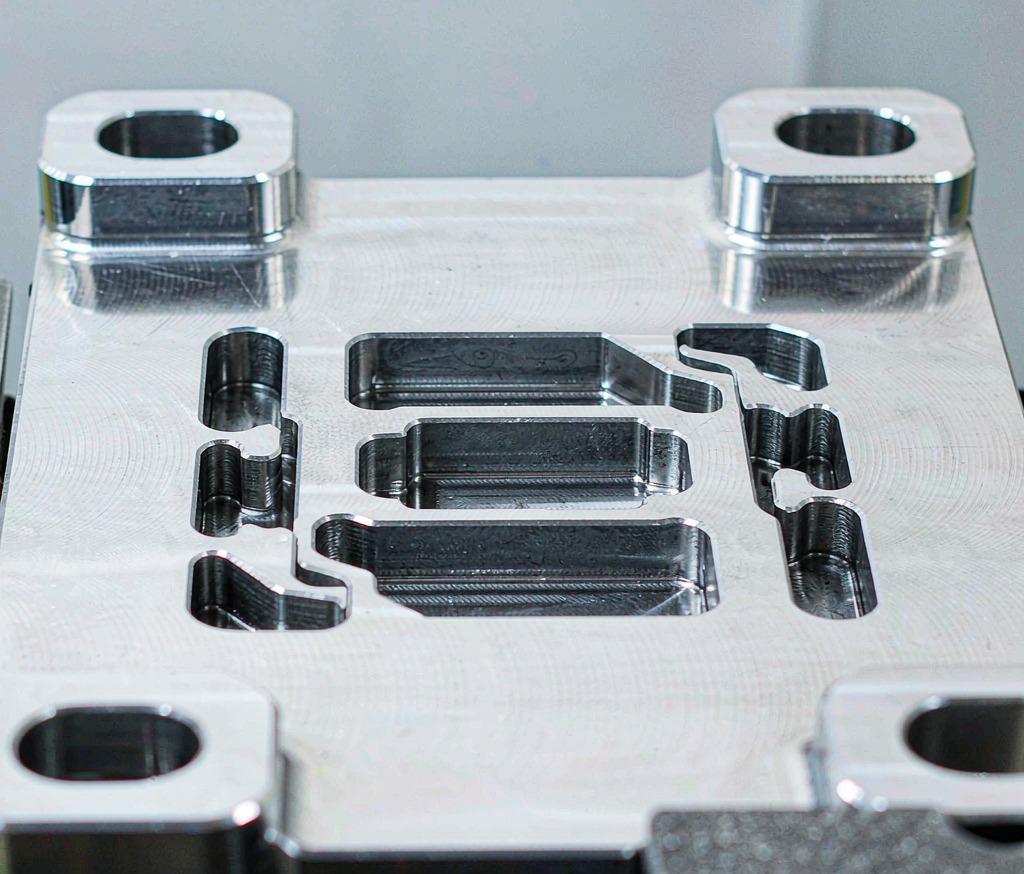
About Aluminum 6082-T6
6082 is an Al-Mg-Si alloy with slightly higher strength than 6061 and very good corrosion resistance, especially in marine settings. It is a top choice for welded and machined structures where aluminum CNC machining delivers tight, repeatable features without the cost of aerospace grades. Its moderate hardness also means tools last longer than on 7075.
Machinability vs 6061 and 7075
6082 machines a touch “stickier” than 6061 but is far easier than 7075 aluminum machining, which is harder and more abrasive on tool edges. Chip control is the main difference — 6082’s longer chips need sharp tools and the right geometry to avoid bird-nesting that can wrap the spindle and ruin a finish pass on a long rail.
Tooling and Cutting Parameters
Uncoated or DLC carbide with polished flutes runs best. Surface speeds of 200–400 m/min are typical on CNC milling centers, with high feed per tooth and through-tool coolant to evacuate chips. Compared with 6061 aluminum machining, use slightly lower feed if chatter appears, because 6082’s extra strength can excite a thin-wall section more easily.
Chip and Surface Control
Use high-helix end mills and air or flood coolant to break and clear chips. A light final pass yields a bright, burr-free face ready for aluminum extrusion assembly or anodizing without extra deburring, which keeps your downstream finishing cost low on large frame quantities.
Common Applications
Structural frames, marine fittings, rail and transport components, and machine guards. Our machined aluminum parts program ships 6082 brackets and rails worldwide; the 6061 machining guide compares the two alloys directly so you can choose without a trial order.
Finishing and Assembly Tips
After machining, 6082-T6 takes anodizing and powder coat well, and its corrosion resistance makes it a default for outdoor frames. If you plan to weld, machine the joint faces slightly proud and account for a small heat-affected soft zone, then re-machine critical seats after welding if the drawing demands tight flatness.
For assemblies that combine aluminum extrusion with machined 6082 brackets, standardize on the same alloy family so the anodize color and galvanic behavior match across the structure and you avoid mixed-alloy corrosion in service.
Choosing 6082 Over Alternatives
When a designer asks whether to use 6082, 6061, or 7075, the answer is driven by strength and environment. 6082 leads on corrosion and weldability for structural frames; 6061 is the general default with the widest stock availability; 7075 wins when weight and peak strength dominate and welding is not required. For most European structural jobs, 6082 is the balanced pick.
If the part sees salt spray or outdoor service, 6082’s corrosion resistance lets you anodize lightly rather than seal heavily, which keeps the cost down versus a 7000-series part that needs more protection. Match the alloy to the duty, not to habit, and the machining plan follows naturally.
Programming and Setup Tips
For repeat 6082 jobs, save verified toolpaths and workholding so each new batch starts from a proven setup rather than a fresh prove-out. Because the alloy is consistent, a locked process holds tolerance batch to batch and lets you skip the heavy first-article scrutiny you would apply to a variable material. Document the coolant concentration and tool life so a shift change does not quietly drift the finish.
When a part spans both machined and extruded 6082, machine the interfaces to the tighter side and let the extrusion tolerance absorb the non-critical lengths. This keeps the functional fit precise without over-specifying the whole assembly, which is the cheapest way to hold quality on a framed structure.
Thermal Growth on Long Parts
6082 machines cool, but a long rail run at high feed can still warm and grow enough to shift a final dimension by tens of microns. For tight lengths, rough and then let the part settle before the finish pass, or use through-spindle coolant to hold temperature. This simple pause costs minutes but saves a batch of parts that drift out of tolerance only after they cool on the inspection table.
Surface Finish Options
After machining, 6082 accepts brushed, bead-blasted, or anodized finishes cleanly, and a light glass-bead blast hides light tool marks for a uniform look on visible frames. If the part is structural and hidden, a simple deburr is enough; if it is customer-facing, specify the finish on the drawing so the shop plans the last pass instead of discovering the cosmetic need after the lot is cut.
FAQ
Is 6082 better than 6061 for machining?
They are close; 6061 is marginally freer-cutting, while 6082 is a bit stronger for structures and marine use.
What coolant should I use?
Flood or mist coolant with polished-flute carbide keeps chips clear and surfaces bright on long 6082 rails.
Can 6082 be welded after machining?
Yes, though machining first then welding can slightly relax tolerances near the weld; plan allowances accordingly for frames.
Ready to Start Your Project?
Get a build-ready quote on your custom metal parts within 24 hours. Share your drawing and our engineers will respond with process, lead time, and pricing.

