
Incoloy 825 machining targets a nickel-iron-chromium alloy built for chemical and acidic duty. With deliberate additions of molybdenum, copper, and titanium, Incoloy 825 resists sulfuric, phosphoric, and many organic acids, plus chloride-induced pitting and stress-corrosion cracking. That corrosion profile makes it a staple in process plants—but like its nickel cousins it is gummy, work-hardens, and demands disciplined cutting. This guide covers a reliable machining approach.
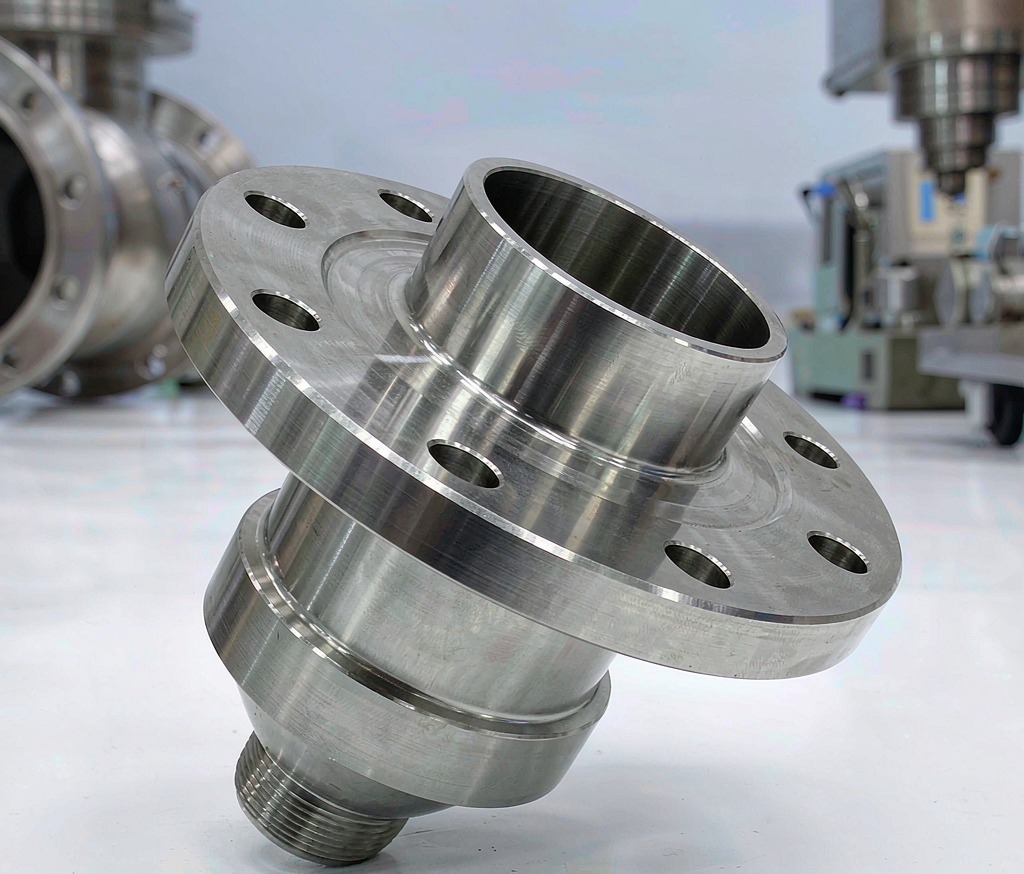
Incoloy 825 Properties and Challenges
Incoloy 825’s high nickel and iron content gives it strength and toughness that translate directly into machining difficulty: built-up edge, heat retention, and rapid work hardening if the tool dwells. Low thermal conductivity keeps heat at the cutting zone, accelerating tool wear. The strategy that works is the same family playbook used for other nickel alloys—sharp tooling, positive rake, firm feeds, and copious coolant—covered in our Inconel machining and Hastelloy machining guides.
Tooling and Cutting Strategy
Coated carbide with a sharp, positive geometry is the default; CBN can help in rouging at temperature. Keep speeds moderate and feeds aggressive enough to engage rather than rub, and maintain a constant depth of cut to avoid hardening the skin. Rigid CNC milling and CNC turning platforms with high torque suppress chatter, while 5-axis CNC machining reduces setups on complex valve and vessel nozzles. Disciplined material consulting confirms the alloy and heat-treat condition before cutting.
Work Hardening and Tolerances
The biggest tolerance risk on Incoloy 825 is a work-hardened surface that then fights subsequent passes. Consistent cuts and avoiding dwell protect both finish and dimension. For intricate internal features, EDM machining removes material without mechanical stress. A post-machining heat treatment can relieve residual stress on thin-walled process components, and our heat treatment services post details the approach.
Chemical and Acidic Applications
Incoloy 825 is specified for sulfuric and phosphoric acid handling, pickling equipment, tank and vessel components, and offshore and sour-service piping where chloride and acid meet. It is the logical step up from 316 stainless in aggressive chemistries—our stainless steel machining guide frames that upgrade. For process-plant hardware the alloy’s combination of fabrication weldability and corrosion resistance is hard to beat.
Prototyping, inspection, and corrosion margins. Incoloy 825 lives in process plants where a leak is both costly and hazardous, so machining must be matched by rigorous inspection—dimensional verification, surface checks, and full material certification. We treat the cut and the paperwork as one deliverable. For development work our OEM services provide low-volume prototypes that prove fit and chemistry before a full run, and our stainless steel machining background helps frame when 825 is the right step up from 316. The alloy’s real value is predictable performance in acid and chloride service, which only pays off when the part is made and documented to match the specification exactly.
Operationally, Incoloy 825 rewards conservative machining with long, trouble-free service in acid and chloride environments. Shops that rush parameters pay in tooling and scrap; those that respect the alloy’s work-hardening nature get stable, repeatable parts. We recommend qualifying a single source for both machining and heat treatment so process responsibility stays in one place and the corrosion guarantee is not fractured across vendors. For plant expansions this single-point accountability also simplifies audits and spares planning, which matters when the component sits inside a regulated process line.
Frequently Asked Questions
Why does Incoloy 825 work-harden?
Its nickel-rich matrix strain-hardens under rubbing; sharp tools and firm feeds prevent a hardened skin.
Can it be machined like stainless?
Similar tooling logic but tougher and gummier; expect slower parameters and more tool-life management.
Where is Incoloy 825 used?
Acid handling, pickling gear, tanks, vessels, and offshore/sour piping exposed to chlorides and acids.
Is it weldable?
Yes, with matching filler and proper procedure; post-weld heat treatment improves stability.
Ready to Start Your Project?
Get a build-ready quote on your custom metal parts within 24 hours. Share your drawing and our engineers will respond with process, lead time, and pricing.

