
Stainless Steel Machining: Grades, Challenges, and Best Practices
Stainless steel machining is a core capability for parts that must resist corrosion, stay clean, and hold tight tolerances—think medical instruments, food equipment, marine hardware, and semiconductor fixtures. But stainless is not one material; the grade you pick drives tool wear, surface finish, and cost. This guide covers the common grades, why they machine the way they do, and the practices that keep your parts on spec and on budget.

Why Stainless Is Tricky to Machine
Stainless work-hardens fast, conducts heat poorly, and is gummy at the cutting edge. Those traits cause built-up edge, premature tool wear, and chatter if speeds, feeds, and coolant are wrong. The fix is sharp tooling, positive rake, generous coolant, and avoiding light cuts that ride the work-hardened layer. Our CNC milling and CNC turning cells are set up specifically for these alloys.
The Grades You’ll Actually Use
- 304 / 304L — the general-purpose austenitic grade; good corrosion resistance, welds well, machines acceptably with the right tooling.
- 316 / 316L — adds molybdenum for pitting resistance in marine and chemical service; slightly tougher to cut than 304.
- 17-4PH — a precipitation-hardening grade that combines stainless corrosion resistance with high strength; heat-treatable to H900/H1150.
- 303 — the free-machining variant when speed matters more than corrosion.
Tooling and Coolant That Work
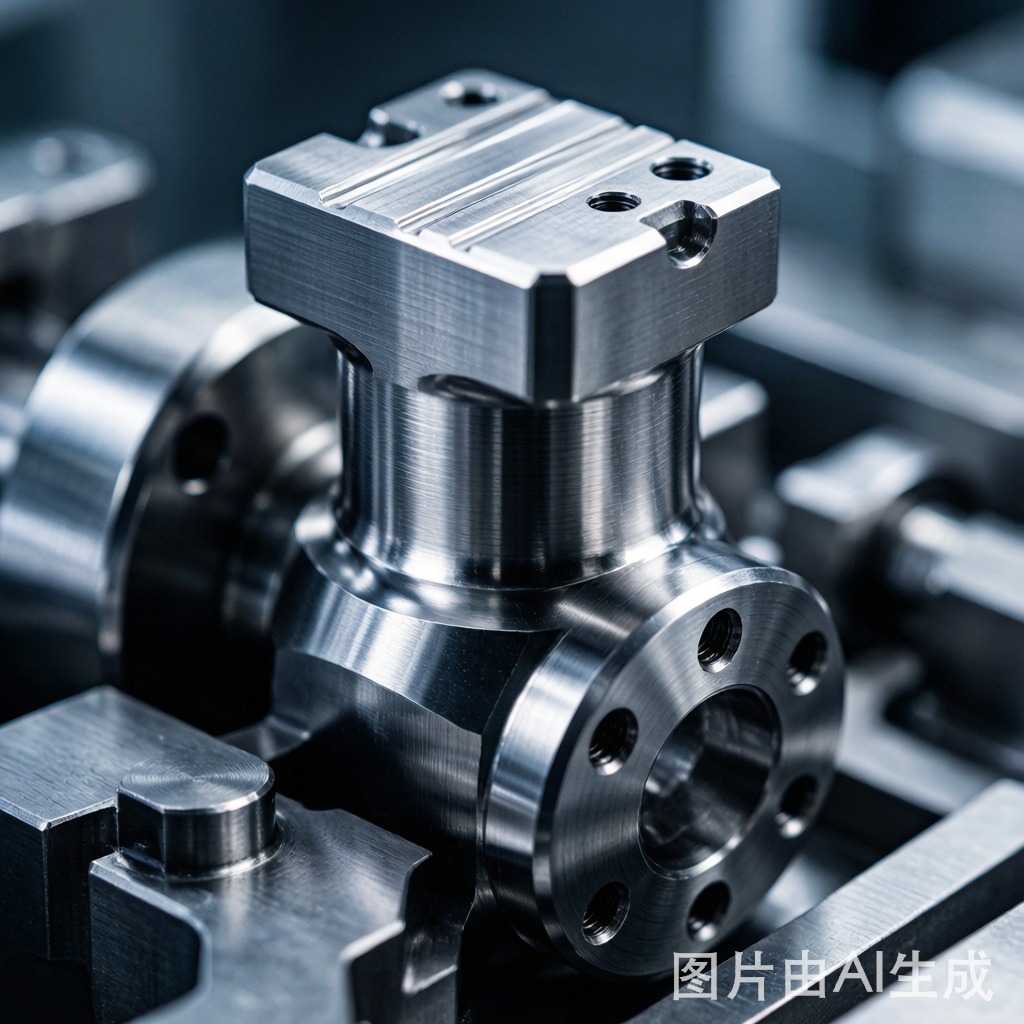
Carbide with polished flutes, low radial engagement, and flood or high-pressure coolant keep temperatures down and chips breaking. Rigid workholding prevents the chatter stainless loves to show. When flatness and finish are critical, surface grinding cleans up faces after machining.
Tolerances and Finishing
Standard ±0.05 mm is routine, with ±0.01 mm achievable on critical features. Stainless benefits from passivation to restore the corrosion-resistant oxide layer after cutting, and deburring to remove sharp edges. Electropolish is the upgrade when cosmetic and hygienic surfaces matter.
When to Machine vs. Cast
Machine stainless for low-to-mid volume, complex geometry, and tight tolerance. Cast only when a part is simple, high-volume, and tolerant of rougher finish. Our investment casting team can advise when a near-net shape saves money.
FAQ
Which grade is easiest to machine?
303 is the free-machining choice; 304/316 need sharper technique but are far more common in service.
Do I need passivation after machining?
Recommended—it removes free iron from the surface and restores corrosion resistance.
Can you hold tight tolerance on 17-4PH?
Yes, including after H900 heat treatment, with calibrated inspection.
Why Choose Huaxiao for Stainless Machining
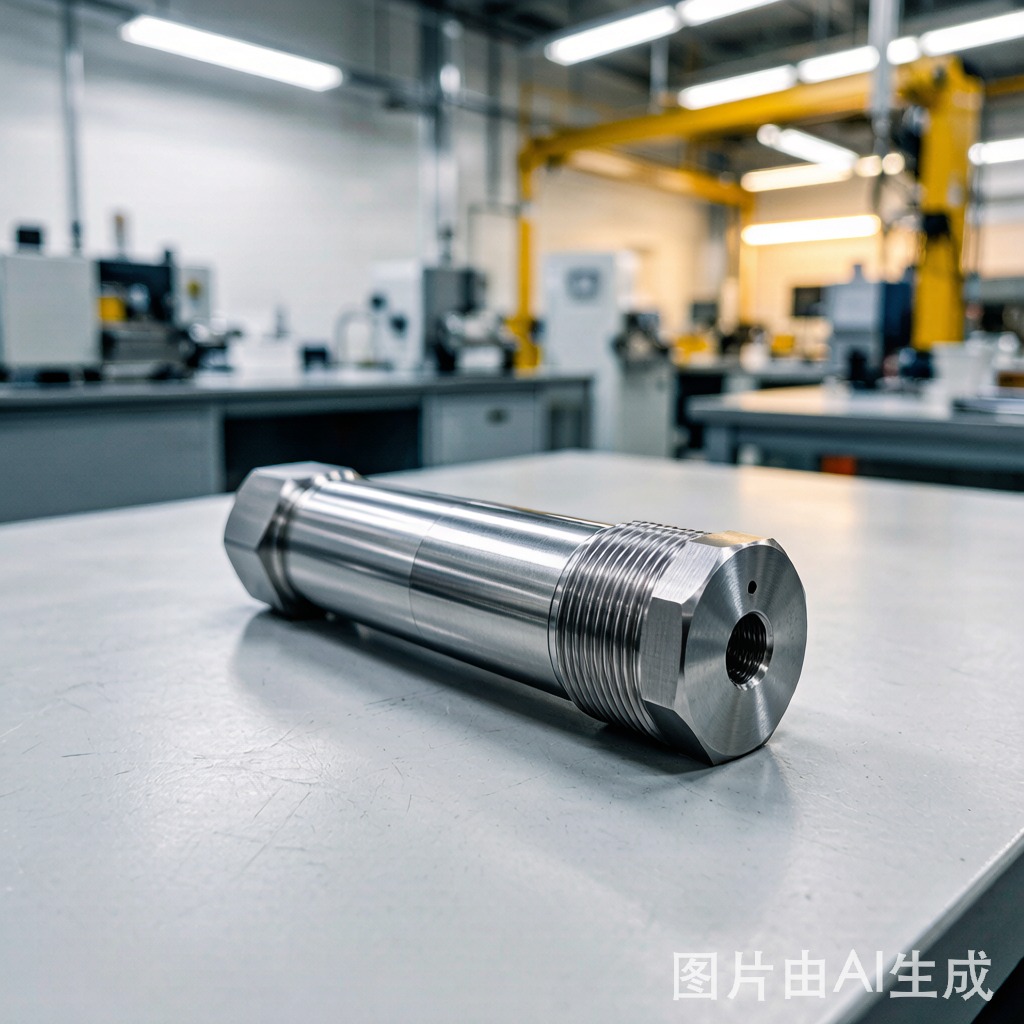
Our precision machining service handles 304, 316, and 17-4PH with the tooling and coolant strategy stainless demands, plus in-house grinding, passivation, and inspection. See how we approach precision machined parts and custom fabrication. Upload your model for a build-ready quote.

