
Fasteners are the smallest, cheapest parts in an assembly and the most common cause of failure. Choosing the wrong material turns a bolt into a liability: it corrodes, stretches, or snaps. This guide compares the three materials buyers argue about most, stainless steel, alloy steel, and titanium, so you can specify fasteners that survive the job.
Why Fastener Material Decides Performance
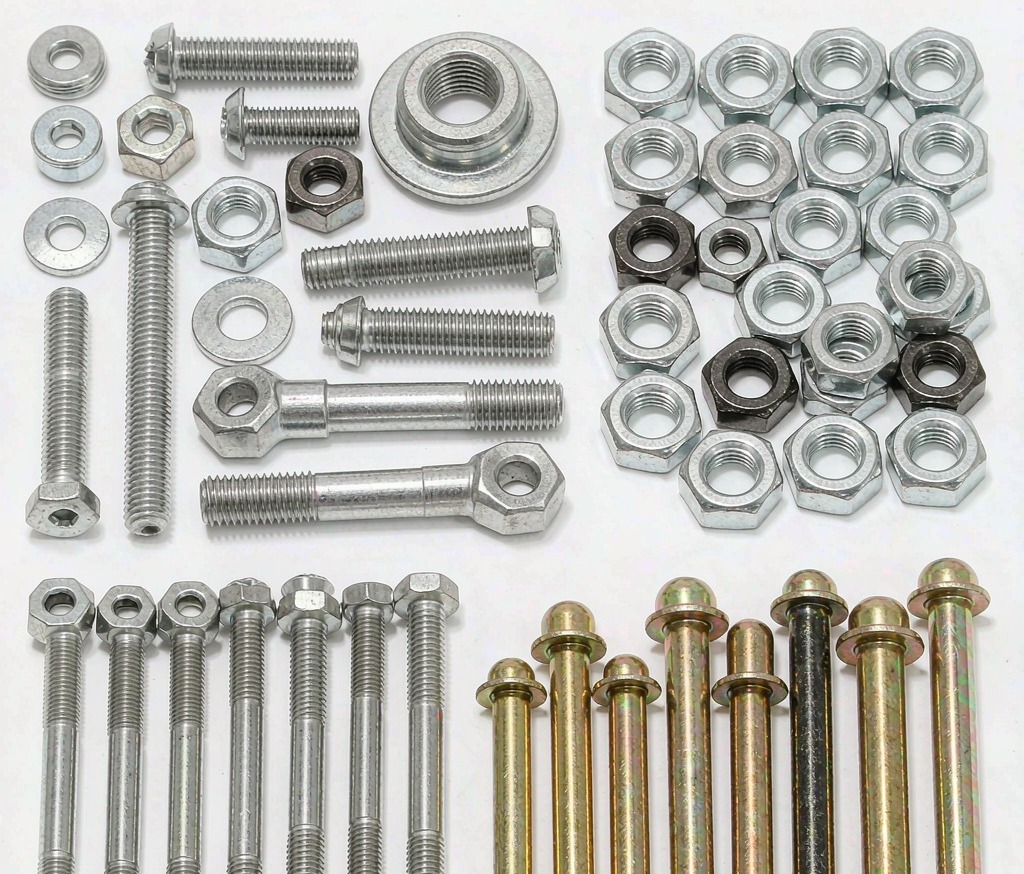
A fastener lives at the intersection of strength, corrosion, and weight. Pick for the environment, not the catalog. A custom metal fastener in the wrong alloy fails exactly where you cannot see it. The three mainstream choices, stainless, alloy steel, and titanium, each win a different scenario, and the differences matter more than the price tag.
Stainless Steel Fasteners
Stainless (304, 316, 17-4PH) resists corrosion thanks to its chromium oxide layer, making it the default for food, marine, medical, and outdoor use. 316 beats 304 in chlorides; 17-4PH adds strength through precipitation hardening. The trade-off is lower strength than heat-treated alloy steel and a tendency to gall when threaded stainless meets stainless. For most custom metal bolts in wet or clean environments, stainless is the safe answer.
Alloy Steel Fasteners
Alloy steels (grade 8, 4140, 4340) deliver the highest strength and are heat-treatable for hardness, making them the choice for structural, automotive, and high-load joints. They are cheaper than stainless or titanium but rust without protection, so they rely on plating or coating. Pair them with custom metal screws in zinc or black oxide for indoor and light-duty outdoor use.
Titanium Fasteners
Titanium (Grade 2, Grade 5) offers an exceptional strength-to-weight ratio and outstanding corrosion resistance, including in seawater and chemicals. It is the material for aerospace, racing, and medical implants where weight and corrosion dominate. The cost is higher and galling is a real concern, so proper thread treatment matters. For weight-sensitive custom metal nuts and bolts, titanium is unmatched.
Finishes That Complete the Material Choice
The material is only half the fastener specification; the finish is the other half. Alloy steel fasteners are almost always plated or coated, zinc and zinc-nickel for corrosion, black oxide for mild indoor duty, and phosphate for paint adhesion. Stainless may be passivated to restore corrosion resistance after machining, and sometimes waxed to reduce galling. Titanium is often anodized for color identification and a harder surface, though its oxide is naturally protective. For outdoor or chemical service, pair the base material with a compatible finish rather than assuming the alloy alone is enough. Specifying both together, and naming the environment, lets a supplier deliver fasteners that arrive clean and stay that way in service.
Specifying Strength Grade and Proof Load
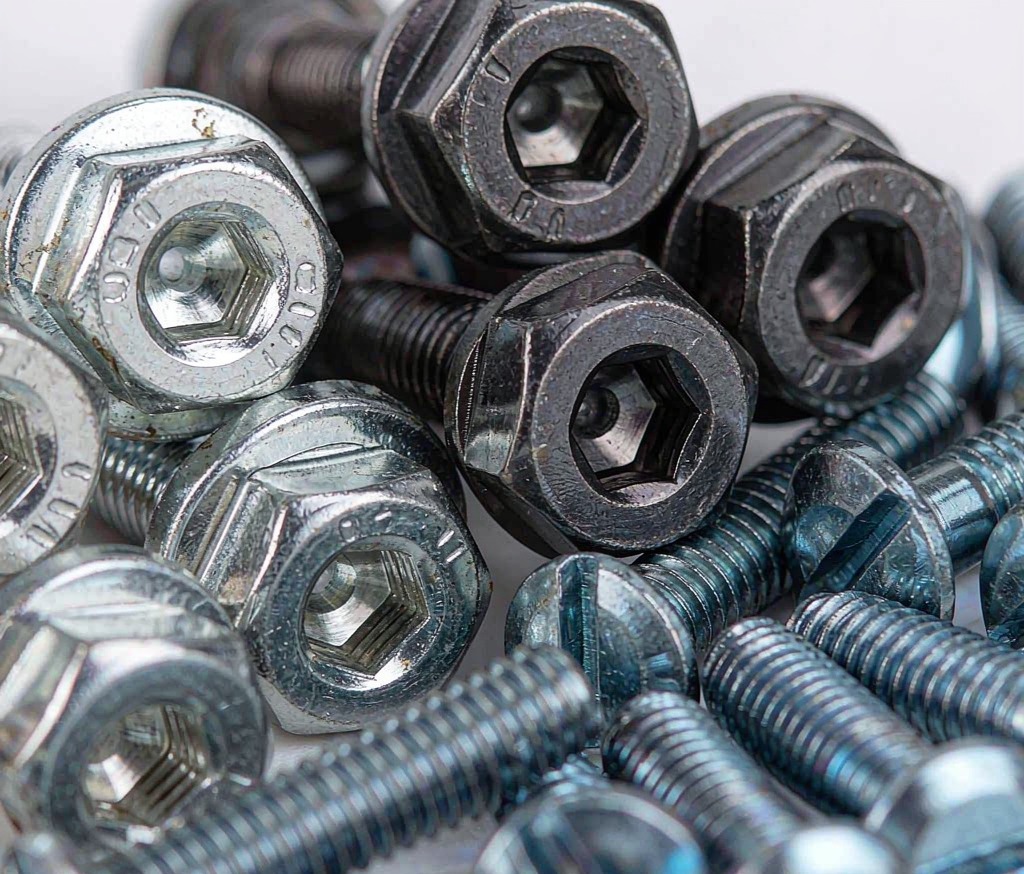
Beyond material, fasteners carry a strength grade that buyers often overlook. Alloy steel uses property classes such as 8.8, 10.9, and 12.9, where the numbers encode tensile and yield strength. Stainless has its own classes, with A4-80 common for marine duty. Matching grade to load prevents both failure and over-engineering cost. Proof load, the stress a fastener sustains without permanent set, is the practical design limit, and it should sit above your service load with margin. Titanium grades such as 5 (Ti-6Al-4V) are specified by alloy rather than class but behave predictably. Whatever you choose, state the grade on the drawing and pair it with the right finish, because a strong fastener in a weak or corroded finish still fails in service.
Matching Material to Environment
Indoor dry, high-load: alloy steel. Wet, corrosive, clean: stainless. Seawater or chemical: 316 stainless or titanium. Weight-critical: titanium. When strength and corrosion both matter, specify a coated alloy steel or 17-4PH stainless. Our custom metal bolts and custom metal screws pages cover the available grades and finishes.
Frequently Asked Questions
Which fastener material is strongest?
Heat-treated alloy steel is generally strongest and most cost-effective for high-load joints, with titanium close on a strength-to-weight basis.
Is stainless always better than alloy steel?
No. Stainless resists corrosion but is weaker than heat-treated alloy steel and can gall. Alloy steel wins on strength and cost; stainless wins on corrosion.
When should I use titanium fasteners?
When weight and corrosion resistance are both critical, such as aerospace, racing, or marine, and the higher cost is justified.
How do I stop stainless fasteners from galling?
Use a lubricant on the threads, avoid overtightening, and consider a different nut material or coated threads to reduce friction welding.
Key Takeaways
Fastener failure is rarely about the bolt alone; it is about matching material, strength grade, and finish to the job. Stainless resists corrosion and suits clean or wet environments, alloy steel delivers the highest strength for cost, and titanium wins on weight and seawater service. Pair the material with the right finish, because a strong fastener in a weak or corroded coating still fails. State the property class or alloy and the proof load on the drawing, and keep the duty cycle in mind. Specify all three together and you get fasteners that arrive clean, hold their load, and stay serviceable for the life of the assembly.
Specify Grade, Finish, and Quantity
Tell us the environment, load, and volume and we will recommend the material and finish that balance cost and life. Browse our custom metal fasteners overview to start.
Ready to Start Your Project?
Get a build-ready quote on your custom metal parts within 24 hours. Share your drawing and our engineers will respond with process, lead time, and pricing.

