
6063 is the “architectural aluminum” alloy, and 6063 aluminum extrusion is the backbone of window frames, railings, and structural profiles worldwide. It extrudes beautifully into complex hollow and semi-hollow shapes, then anodizes to a brilliant finish. In this guide we explain why 6063 is the extrusion standard, how temper and finish choices affect performance, and how secondary machining completes the part. For the wider process map, see our aluminum extrusion services page.
What Is 6063 Aluminum
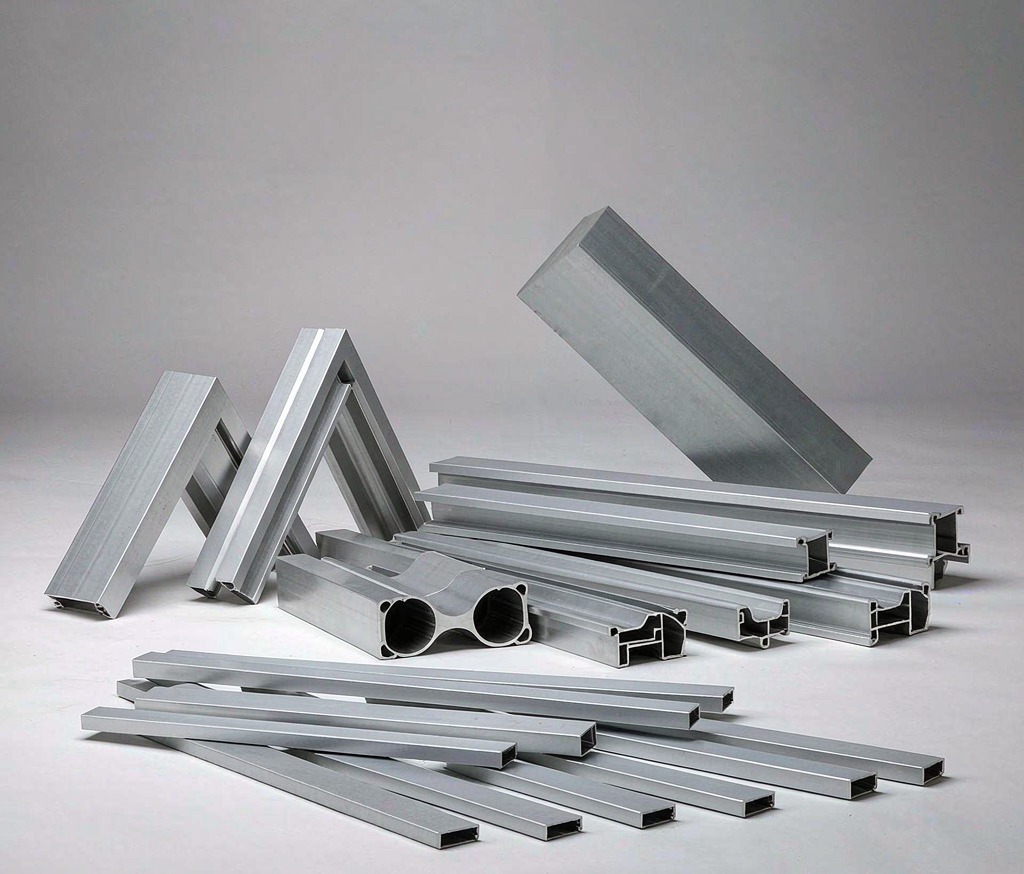
6063 is a magnesium-silicon alloy prized for its extrudability and surface quality. It has moderate strength but flows into thin, intricate profiles that would be impossible or expensive to machine from solid. After extrusion it is aged to the T5 or T6 temper. Its ability to take a bright anodized finish makes it the default for visible architectural metal, from curtain walls to display frames.
Why 6063 for Extrusion
6063 has the best extrudability of the common 6xxx alloys, allowing thin walls and tight tolerances on complex dies. Aluminum extrusion turns a single die into thousands of meters of consistent profile. Compared with 6061, 6063 is easier to push through the die and finishes more cleanly, which is why it owns the architectural segment.
Temper Choices: T5 vs T6
T5 is cooled and aged right at the press—fast and economical for most architectural work. T6 adds a separate solution heat treatment and aging for higher strength, useful for structural rails. CNC milling and CNC punching add holes, slots, and cut ends after aging without hurting the temper. Choosing T5 versus T6 is the first lever in cost and performance.
Secondary Machining and Cutting
Extruded profiles are rarely used as-pressed; they are cut, drilled, and milled to length and feature. Laser cutting and sawing trim ends, while CNC milling opens precise holes and slots. Our custom extrusion profiles guide explains how to design a die that minimizes secondary work.
Anodizing and Finishes
6063 anodizes to a uniform, attractive clear or colored coating that is both decorative and protective. Anodizing is the standard finish for architectural profiles, and powder coating is a common alternative. The alloy’s clean grain structure is what makes the anodized layer look premium rather than blotchy.
Architectural Applications
You will see 6063 in window and door frames, curtain walls, handrails, display systems, and LED housings. Its combination of formability, finish, and corrosion resistance is unmatched for visible structure. Our aluminum fabrication services tie extrusion to final assembly.
Design for Extrusion
Keep wall thickness uniform, avoid sudden thickness changes that cause die wear, and design symmetrical hollows for balanced flow. Specify the anodizing class and color early so the whole batch matches in the field.
Quality and Inspection
Extruded 6063 is inspected for die line, twist, and dimensional conformance to the profile drawing, with first-article sign-off before volume. Holes and slots cut after aging are gauged to print, and the anodized finish is checked against an approved color chip. Because profiles are long, straightness and camber are measured over the full length, not just at the ends, so the installed frame stays true.
Lead Times and Volume
The die build sets the initial lead time; once tooling exists, extrusion and finishing run quickly and scale economically. Prototypes can use a soft tool or short press run, while production pricing improves sharply with order length. Forecasting annual profile volume lets us hold die and anodize capacity for your program and protect your delivery dates.
When to Choose 6063
Choose 6063 for visible architectural profiles where finish and form matter most; choose 6061 when structural strength dominates and finish is secondary. For marine or coastal projects, pair 6063 with a marine-grade anodize or powder coat. For most window, rail, and display work, 6063 is the right call and the industry standard for good reason.
Designing a 6063 Profile RFQ
Extrusion RFQs are different: the die is the real first cost, so share the cross-section as a CAD file and the wall thicknesses, tolerances, and any hollows. Keep wall thickness uniform and avoid features thinner than about one millimeter, which slow the press and wear the die. State the temper—T5 for most architectural work, T6 where strength counts—and the anodize class or color, since that drives both finish and price. Indicate cut lengths, machining after aging, and any holes or slots so we can quote secondary work accurately. Tell us the annual meterage so we can amortize the die. A complete profile RFQ lets us return a firm die and per-meter price with a realistic lead time.
6063 vs 6061 Extrusion
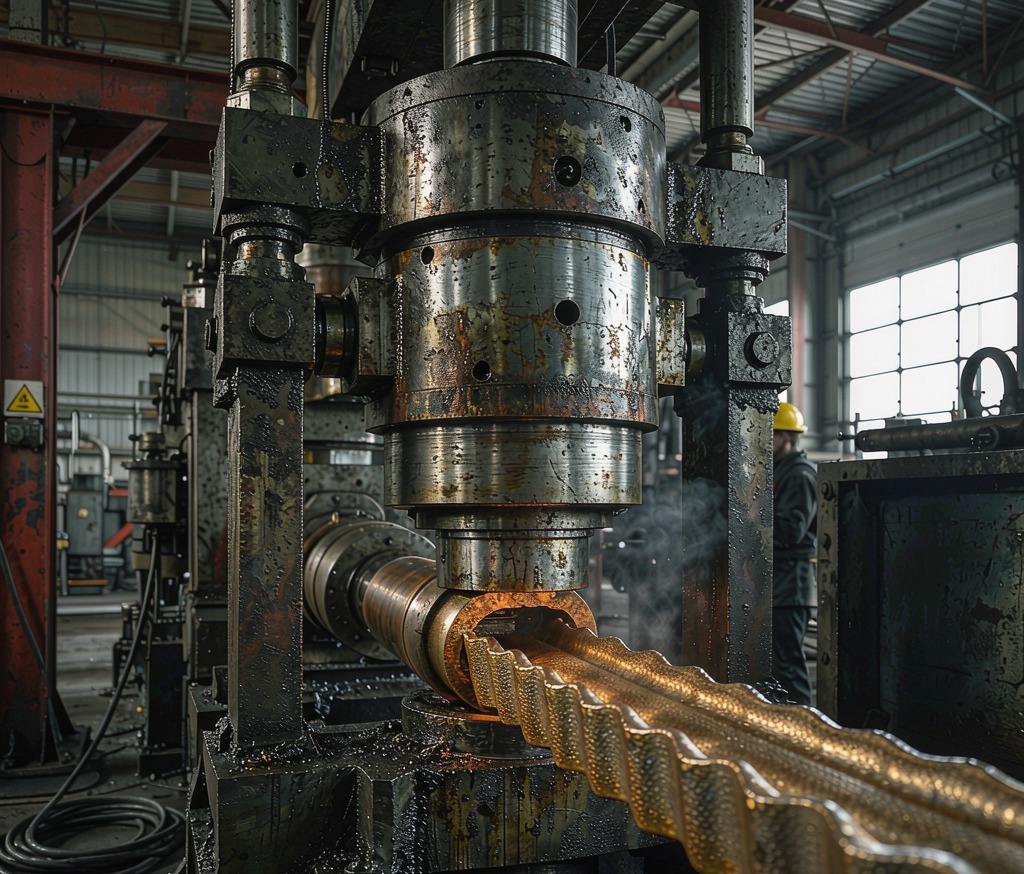
Both 6063 and 6061 extrude, but they serve different masters. 6063 flows more easily into thin, intricate hollow and semi-hollow profiles and anodizes to a cleaner, brighter finish, which is why it owns architectural work. 6061 is stronger and extrudes into simpler, thicker shapes where structural load dominates, but its anodized finish is less uniform. Designers therefore pick 6063 for visible frames, rails, and trims and 6061 for structural beams and brackets. If your profile is mostly about appearance and complex shape, 6063 is the answer; if it must carry serious load, 6061 is the safer call. Our aluminum extrusion team helps you choose the right alloy for the die and the duty.
Frequently Asked Questions
Is 6063 stronger than 6061?
No, 6061 is stronger, but 6063 extrudes into more complex shapes and anodizes more attractively, which is why it leads in architecture.
What is the difference between T5 and T6?
T5 is press-aged and economical; T6 is solution-heat-treated and aged for higher strength, used where structural load demands it.
Can 6063 be welded?
Yes, 6063 welds well with standard aluminum methods, though the weld zone will not match the anodized finish exactly.
6063 aluminum extrusion gives you complex, attractive, corrosion-resistant profiles at scale, which is why it defines modern architectural metal. Send us your profile sketch or drawing and we will quote the die, extrusion, and finishing package.
Ready to Start Your Project?
Get a build-ready quote on your custom metal parts within 24 hours. Share your drawing and our engineers will respond with process, lead time, and pricing.

