
The finish on a metal part decides how it looks and how long it lasts, and the anodizing vs painting choice is one engineers face constantly. Anodizing grows a hard oxide layer into the aluminum; painting lays a coating on top. Both protect, but differently. This guide compares them so you can specify with confidence. Our anodizing services and powder coating services cover the main options.
How Each Finish Works
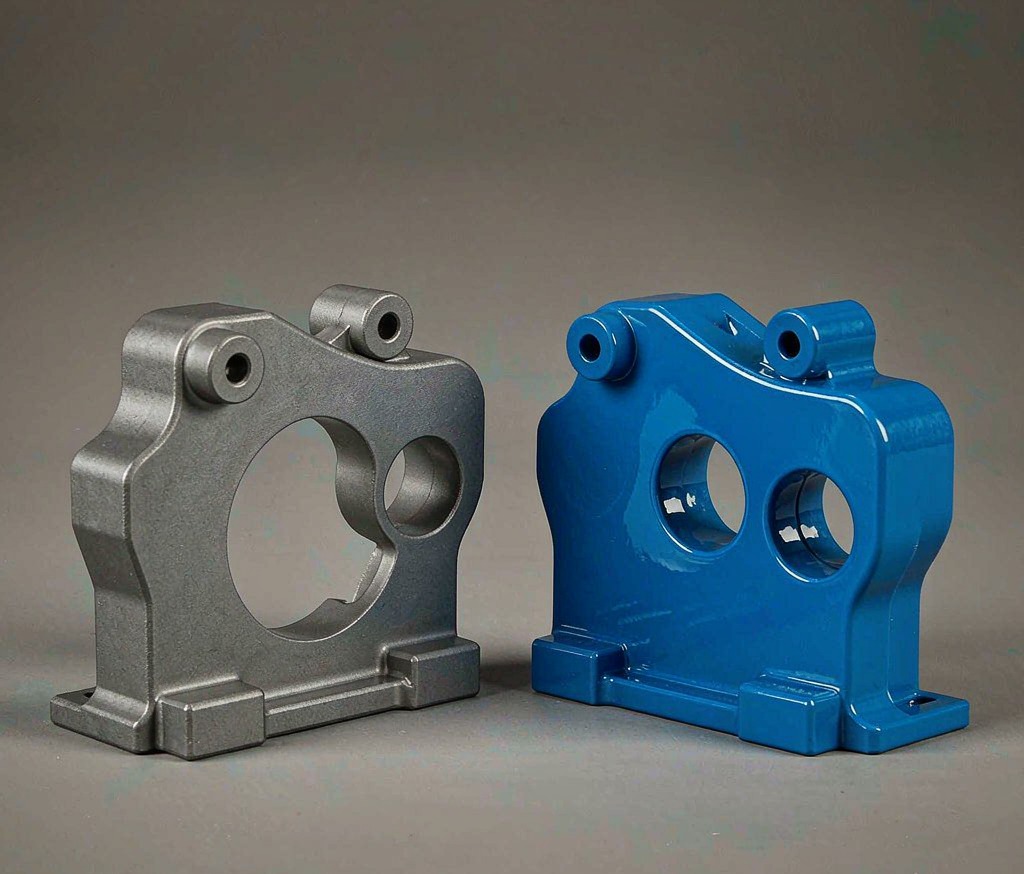
Anodizing is an electrochemical process that thickens the natural oxide on aluminum into a dense, integral layer that cannot chip or peel because it is part of the metal. Anodizing comes as Type II (decorative color) or Type III (hard, wear-resistant). Painting applies a film on top: wet painting for liquid coats and powder coating for a durable baked thermoset layer. The integral versus film-on-top distinction explains most of the performance difference downstream in service and during assembly.
Durability and Corrosion Resistance
Anodize is integral and very hard, so it resists abrasion and will not peel; it protects aluminum well, especially sealed. Paint protects by barrier, and powder coat is tougher than liquid paint but can chip at edges. For steel, zinc plating or electroless nickel often pairs under paint for corrosion control. Metal surface treatment planning should start from the base metal. A barrier finish only works if it stays intact at every edge and fastener hole, which is where paint tends to thin out.
Color and Appearance
Anodize offers a refined metallic look in limited, stable colors (black, gold, red, blue) that will not hide grain. Paint offers any color, including matches to a brand palette, and can be gloss, matte, or textured. If the design needs a specific Pantone, paint wins; if it needs a premium machined-aluminum aesthetic, anodize wins. Anodize also keeps the part feeling like metal to the touch, which matters on consumer hardware where tactile quality signals value to the end user.
Cost and Volume
Anodize is cost-effective on aluminum and scales well. Powder coat is economical for durable colored steel and aluminum at volume. Wet paint suits low volume or touch-up. Passivation is the stainless-steel alternative for corrosion without color. Choose by base metal first: anodize for aluminum, paint or plate for steel. The finish you pick should match both the production volume and the environment the part will see, because a finish that is perfect in the lab can fail quickly in the field.
When to Choose Which
Choose anodizing for aluminum parts needing a hard, integral, premium finish and good corrosion resistance without chipping. Choose painting or powder coating when you need any color, a thick barrier on steel, or a specific brand match. Many programs combine them: anodized functional areas plus painted cosmetic covers. Specifying the finish early avoids a rework loop at the end. Tell the shop the alloy, the environment, and the look, and the right process follows directly from those three facts.
Secondary Operations and Workflow
Finishing is usually the last step before assembly, but it should be planned first. Anodize needs a clean, oxide-free surface and consistent racking; powder coat needs proper grounding and mask areas. Zinc plating often precedes paint on steel for corrosion control, and metal surface treatment planning covers the full sequence. Tell the shop which features must stay uncoated and which need thread protection, and the finish will meet the spec without a stripping rework that costs both time and money.
Parts and the Finish We Recommend
For machined aluminum housings, heatsinks, and brackets, anodizing is usually the right call: hard, integral, and premium in feel. For steel enclosures, panels, and frames, powder coat or wet paint gives the thick color barrier aluminum anodize cannot provide on steel. Powder coating is the durable default for colored steel, while anodizing stays the aluminum specialist. When a product mixes aluminum and steel, we often anodize the aluminum and powder-coat the steel so each metal gets the finish it performs best with, rather than forcing one process across both and compromising corrosion or looks.
Design Tips to Avoid Rework
Call out the features that must stay uncoated: threads, bearing seats, grounding points, and press fits. Mask them before finishing so they are not bridged by paint or grown by anodize. Zinc plating under paint on steel adds corrosion control at edges where coating is thin. Our metal surface treatment page covers the full sequence. A drawing that marks uncoated zones up front avoids a strip-and-redo loop that costs both lead time and money at the end of the job when the schedule is tightest.
Environmental and Compliance Notes
Modern anodizing uses chrome-free sealing and is fully recyclable, which fits RoHS and REACH programs for exported hardware. Powder coat is also low-VOC compared with liquid paint, an advantage in regulated markets. Electroless nickel is another RoHS-friendly barrier for functional steel. Our metal surface treatment page covers the compliant options we run. Specifying an environmentally sound finish up front avoids a last-minute substitution that could delay a shipment or fail a customer’s documentation audit at the border, where non-compliant coatings are increasingly rejected.
Frequently Asked Questions
Does anodizing peel like paint?
No. Anodize is grown into the aluminum as an integral oxide layer, so it cannot chip or peel the way a topcoat can.
Which is more corrosion resistant?
Anodize protects aluminum very well; for steel, plating under paint or powder coat usually gives better corrosion control.
Can I get any color with anodizing?
Anodize offers a stable but limited palette (black, gold, red, blue, etc.); paint provides any custom color match.
Anodizing vs painting is a base-metal and appearance decision. Tell us the alloy and the look you need and we will finish it right.
Ready to Start Your Project?
Get a build-ready quote on your custom metal parts within 24 hours. Share your drawing and our engineers will respond with process, lead time, and pricing.

