
A ferrule is a small part that does an important job: it caps, reinforces, joins or seals the end of a tube, cable or hose. Our custom metal ferrules are CNC-turned to your diameter, wall and profile in stainless steel, brass, aluminium or copper. Whether you need a crimp sleeve for a hydraulic line, a decorative collar for furniture, or a compression fitting for medical tubing, we produce them in volumes from a single prototype to millions.
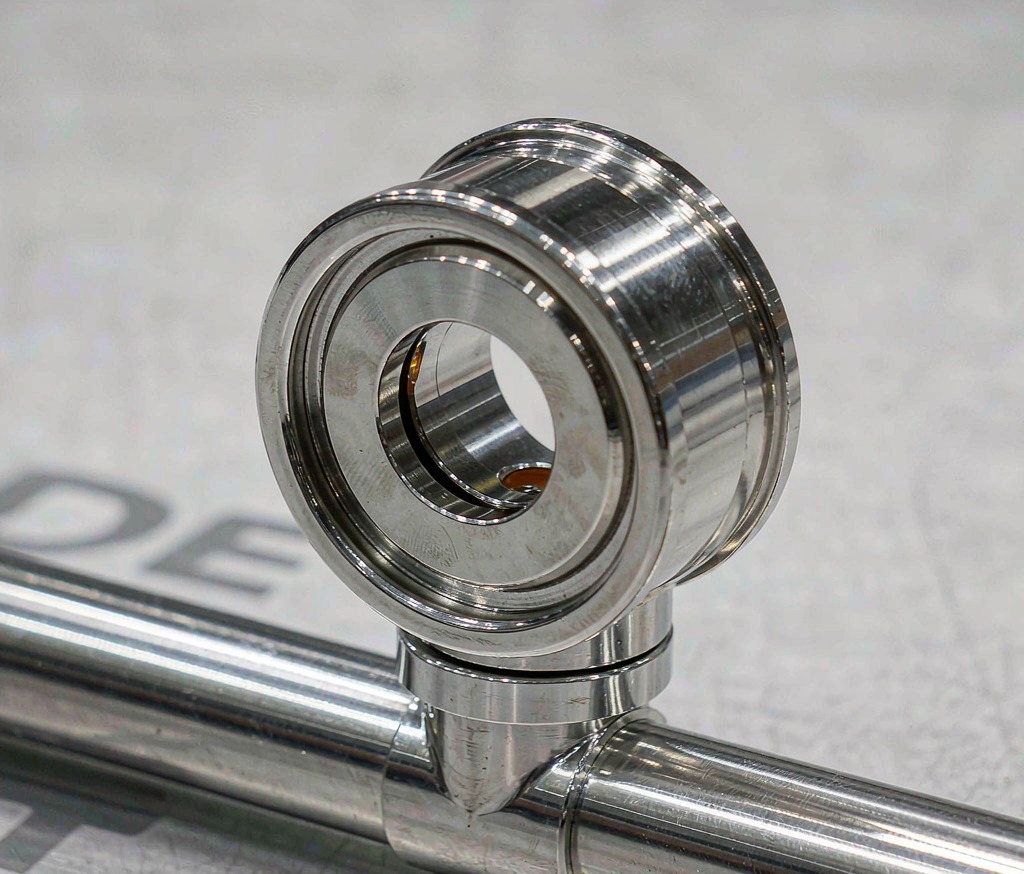
What Is a Metal Ferrule
At its simplest, a ferrule is a ring or cap that slips over the end of another part. Functions include stopping fraying on cable, providing a compressive seal on tubing, and adding a finished look to a tube end. Because ferrules are rarely standalone, we often machine them alongside the mating turned components so tolerances line up. Related families we build include custom metal collars and custom metal rings.
Materials: Stainless, Brass, Aluminum, Copper
Stainless ferrules suit corrosive or hygienic environments; brass is chosen for plumbing and decorative use; aluminium keeps weight down; copper is used where conductivity matters. We stock the common grades and can turn any of them on our CNC turning and CNC milling cells. For very small, long ferrules our Swiss turning process keeps walls concentric.
CNC Turning and Swiss Machining
Ferrules are textbook lathe parts: a tube or cap with precise internal and external diameters. We hold ID/OD concentricity so the ferrule slides on smoothly yet grips when crimped. Our custom metal bushings guide shows the same bore-control thinking applied to bearing surfaces.
Bending and Forming Tubes
Some ferrules are formed rather than turned — a tube end is swaged or flared to capture a hose. Where a ferrule is part of a bent assembly, we use CNC bending before the final machining pass so the part arrives pre-shaped. For fastener-style ferrules, see our custom metal fasteners overview.
Passivation and Surface Finish
Stainless ferrules are usually passivated to maximise corrosion resistance, while brass and copper may be plated or lacquered. A clean, burr-free edge is essential so the ferrule does not cut the hose or cable it protects. We finish every ferrule with deburring as standard.
Ferrule Applications by Industry
Ferrules ship to hydraulic, pneumatic, medical, furniture, marine and electrical customers. If you supply a drawing or a sample, we will reverse-engineer the profile and confirm the process.
How to Specify a Ferrule Drawing
A good ferrule drawing lists inside diameter, outside diameter, length, wall, and any chamfer or crimp groove, plus the material and finish. Tolerance the ID to the tube it slides over and the OD to the hose or fitting it enters — these two diameters decide whether the assembly seals. If the ferrule is crimped, leave enough wall so it does not split under the die; we will confirm the minimum from your crimp spec. Our CNC turning process holds ID/OD concentricity so the ferrule seats square instead of cocked, which is the usual cause of leaks.
Send a sample if you have one. We measure it, reverse the profile and confirm material by spark test or certificate, then turn a matching batch. For production, our custom metal fasteners line can fold ferrules into the same release schedule as your nuts and screws so the whole join arrives together.
Common Ferrule Failure Modes
Most failures are leakage from a cocked ferrule, cracking from too-thin wall at the crimp, or corrosion where the wrong alloy met a hostile fluid. We prevent the first with concentric turning, the second with a wall-thickness review before we cut, and the third by recommending passivated 316 stainless for marine or chemical service. A burr on the cut edge is the quiet killer — it scores the seal — so every ferrule gets deburring as standard. If you see fraying on a cable ferrule, the usual fix is a slightly longer grip length, which we can model from your cable diameter.
Sizing a Ferrule to Your Tube
The ferrule ID should match the tube OD with a light press fit, and the ferrule OD should match the fitting bore. Too loose and it leaks; too tight and it cracks at the crimp. We calculate both from your tube spec and add a small chamfer so the ferrule starts straight. For push-to-connect fittings the grip ring is a separate feature we machine into the same blank. If you are unsure of the tube tolerance, send a sample and we will measure it — our custom metal bushings line uses the same bore-control methods to guarantee the fit.
Sampling and First-Article Approval
For a new ferrule we always ship a small first batch for your fit check before running the volume. You confirm it slides, seals and crimps as intended, and we lock the program from your sign-off. This five-minute check prevents a thousand wrong parts, and it is free on every new ferrule we quote. Send the mating tube or hose and we will verify the assembly, not just the ferrule in isolation.
Frequently Asked Questions
Can you match a sample ferrule I already use?
Yes. Send the part and we will measure it, confirm material and turn a matching batch — see our OEM services for volume programmes.
What wall thickness can you hold?
Down to about 0.2 mm on small diameters using Swiss turning, with ID/OD concentric within 0.01 mm.
Do you crimp ferrules onto hose?
We machine and supply the ferrules; crimping is typically done by the assembler, but we can advise on fit.
Which finish resists saltwater?
Passivated 316 stainless is the standard choice for marine ferrules.
Ready to Start Your Project?
Get a build-ready quote on your custom metal parts within 24 hours. Share your drawing and our engineers will respond with process, lead time, and pricing.

