
Hastelloy C276 is one of the most corrosion-resistant nickel-molybdenum-chromium superalloys on the market, and it is also one of the most demanding materials to cut. Buyers who need reactor parts, valve bodies, or flue-gas desulfurization hardware in this alloy often find that general machine shops either decline the work or deliver components with work-hardened surfaces and hidden micro-cracks. This guide explains what professional Hastelloy C276 machining actually involves, the cutting strategy that keeps it predictable, and how to choose a supplier that holds tight tolerances without inflating cost.
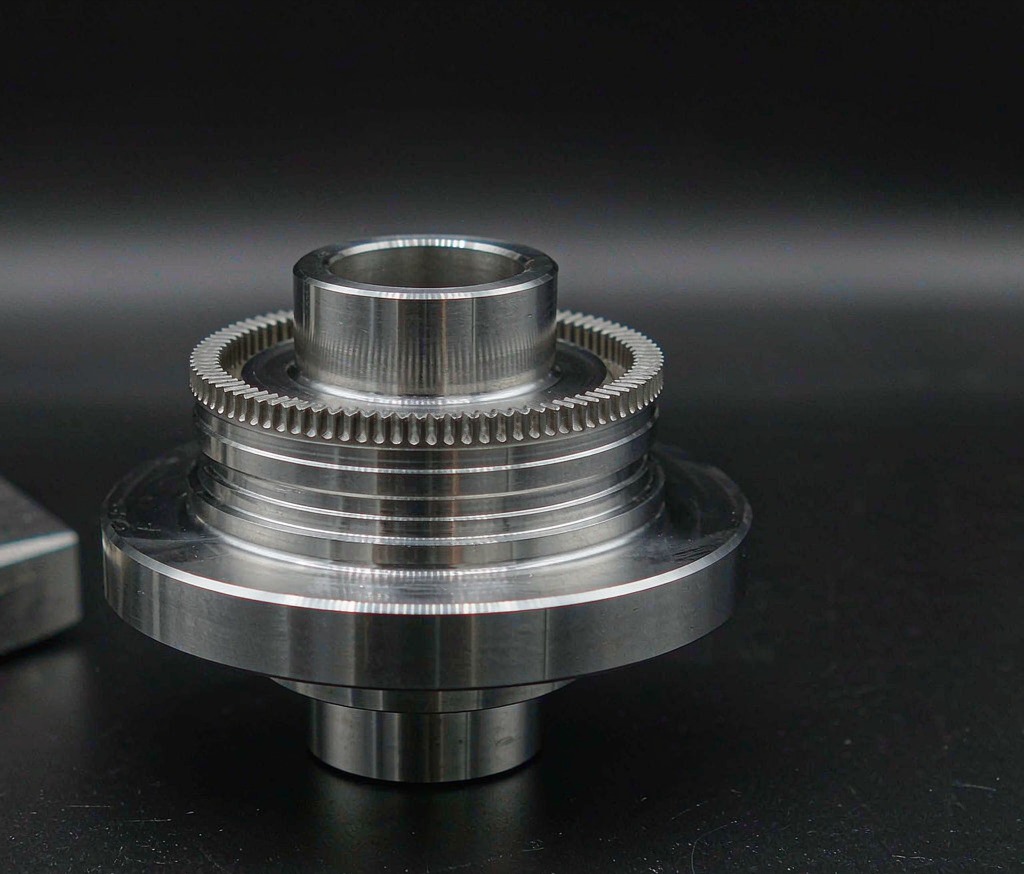
What Is Hastelloy C276 and Why It Is Hard to Machine
C276 is a low-carbon nickel-chromium-molybdenum alloy designed to resist pitting, crevice corrosion, and stress-corrosion cracking across a very wide chemical range. Its strength at temperature is excellent, but those same properties make it gummy and work-hardening under the tool. If a cutting edge rubs instead of shears, the surface glazes over and the next pass fights a hardened shell. That is why the alloy is usually routed to dedicated CNC milling and CNC turning cells with rigid setups rather than shared general-purpose machines.
The chemistry also matters for buyers. C276 was reformulated with lower silicon and carbon than earlier C variants specifically to avoid weld-heat-affected-zone sensitization. When you buy machined C276, you are buying both the material pedigree and the process discipline behind it, so material certification should travel with the part from order to delivery.
Cutting Strategy and Tooling
Success comes from sharp inserts, positive rake, and a steady depth of cut that keeps biting below any hardened layer. Carbide grades with tough substrates outperform high-speed steel, and flood coolant or high-pressure through-tool coolant controls the heat that drives work hardening. For thin walls and complex contours, 5-axis CNC machining lets a single setup finish geometry that would otherwise need multiple risky re-fixturing operations. Tight internal features are often produced by wire EDM instead of conventional drilling to avoid tool deflection in the tough alloy.
Tolerance and Surface Finish Capabilities
Most shops hold C276 to standard ISO 2768-m tolerances, with critical bores and sealing faces held tighter through secondary grinding. Because the alloy work-hardens, achieving a clean Ra surface depends more on process discipline than on the machine alone. If your part needs a specific finish for sealing or cleanability, state it on the drawing so the shop can plan the right sequence of roughing, semi-finish, and finish passes from the start.
Heat Treatment and Passivation
C276 is normally supplied in the solution-heat-treated condition and does not require post-machining hardening, but stress-relief can help thin or heavily machined parts. Final surface protection matters more than heat: passivation and nickel plating services are commonly specified for parts that see aggressive media. Always confirm the chemistry and a mill test report, since substitution with a near-grade is a frequent source of field failures.
Typical Applications
You will find machined C276 in chemical processing vessels, scrubber systems, heat exchanger components, pollution-control equipment, and sour-gas oil-and-gas hardware. Its combination of corrosion resistance and fabricability makes it a default choice when 316 stainless simply will not survive the environment. If you are weighing C276 against other superalloys, our guide to Hastelloy machining services“>Hastelloy machining services and our coverage of Inconel machining“>Inconel machining compare the trade-offs in plain terms.
Cost Drivers Buyers Should Expect
C276 commands a premium over stainless for two reasons: the raw material itself and the slow, tool-hungry cutting it requires. Expect three to five times the tooling cost of 316 stainless, longer cycle times, and more frequent inspection. The payback is service life in media that destroys ordinary alloys in months, so frame the quote against total cost of ownership rather than unit price alone.
FAQ
Is Hastelloy C276 machinable like stainless steel?
Not really. It is roughly three to five times harder on tooling than 316 stainless because of work hardening. Expect slower feeds, sharper inserts, and higher cost per part, but far longer service life in corrosive duty.
Can C276 be welded after machining?
Yes. It is weldable with matching filler using standard nickel-alloy procedures, and machined parts are often welded into larger fabricated assemblies. Control heat input to avoid sensitization.
How do I confirm I received real C276?
Require a mill test report and a PMI (positive material identification) check on the delivered parts. Reputable suppliers of nickel alloy machining services“>nickel alloy machining services provide both without hesitation.
Sourcing Tips for Buyers
When requesting a quote, send the 3D model, the critical tolerance callouts, the service environment, and any required certification. A supplier that asks about corrosion exposure and inspection method is thinking like a partner, not just a cutter. That conversation up front prevents the most expensive failure of all: a part that machines beautifully but fails in service.
Inspection and Acceptance
Before you accept a C276 shipment, confirm three things: the mill test report matches the purchase-order chemistry, positive material identification on a finished part matches, and critical dimensions carry the agreed inspection record. For pressure or safety parts, ask for a dye-penetrant or radiographic check. These steps cost little compared with the consequence of an alloy mix-up in a corrosive line.
Working With a Machining Partner
The best C276 outcomes come from treating the shop as an engineering partner rather than a commodity cutter. Share the service environment, the expected duty life, and any regulatory constraints up front. A partner will propose the right stock form, the right roughing allowance, and the right finish sequence instead of simply quoting the model as drawn. That early dialogue is where most of the cost and risk are actually controlled, long before a chip is cut.
Documentation You Should Keep
For traceability, retain the mill test report, the machining inspection report, and any passivation or plating certificates. In regulated industries this paper trail is as important as the part itself, and a disciplined supplier delivers it without being chased. If you cannot produce the certs later, you cannot prove the part was C276, and that gap can stall an entire audit or shutdown.
Total Cost of Ownership
Score C276 against the installed cost over the maintenance interval, not the unit price. The alloy and the slow cutting are real expenses, but so is the years-long service life in media that destroys ordinary stainless in months. Framed that way, C276 usually wins, and the sourcing decision becomes a straightforward comparison of lifetime cost rather than a sticker shock.
Ready to Start Your Project?
Get a build-ready quote on your custom metal parts within 24 hours. Share your drawing and our engineers will respond with process, lead time, and pricing.

