
Forging squeezes metal into shape under compressive force, delivering grain flow and strength that casting and machining cannot match. But the hot forging vs cold forging decision changes your tolerances, surface finish, material use, and cost. This comparison shows where each process earns its place so you can specify the right one from the start.
What Hot Forging Does
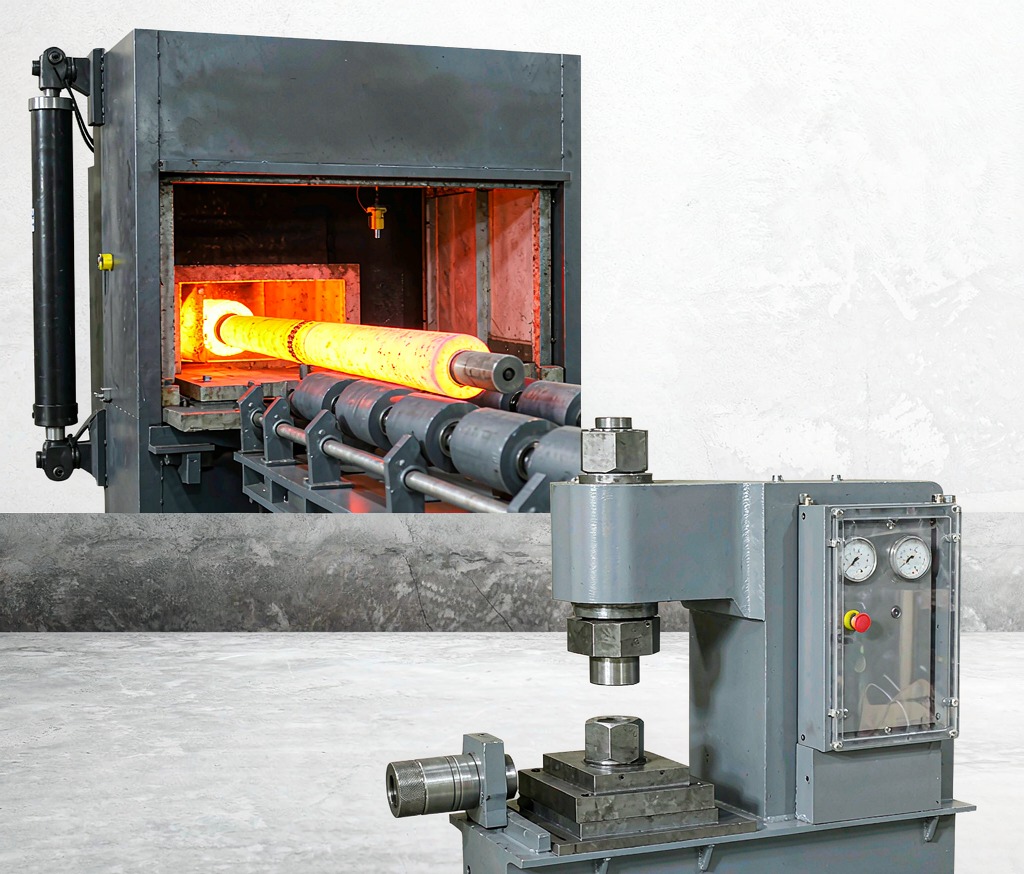
Hot forging heats the billet above its recrystallization temperature so it flows easily under the dies. The metal’s grain follows the part contour, producing excellent toughness and fatigue resistance. Our hot forging lines produce large, complex, and heavily loaded parts—think crankshafts, connecting rods, and flanges—where strength matters more than a bright surface.
What Cold Forging Does
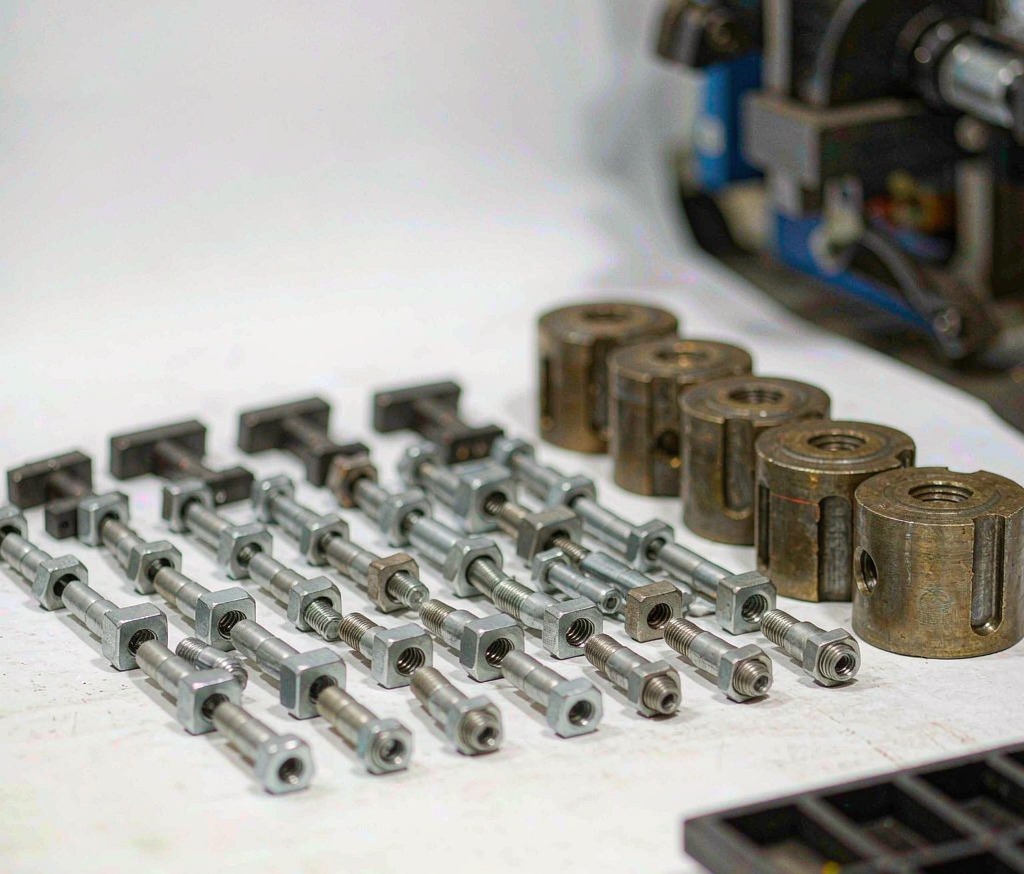
Cold forging shapes room-temperature metal, usually by heading, extrusion, or upsetting. Because the material work-hardens during forming, cold-forged parts gain strength and a smooth, precise surface straight from the die. Our cold forging process is the standard for high-volume fasteners, fittings, and small precision components.
Tolerance and Surface Finish
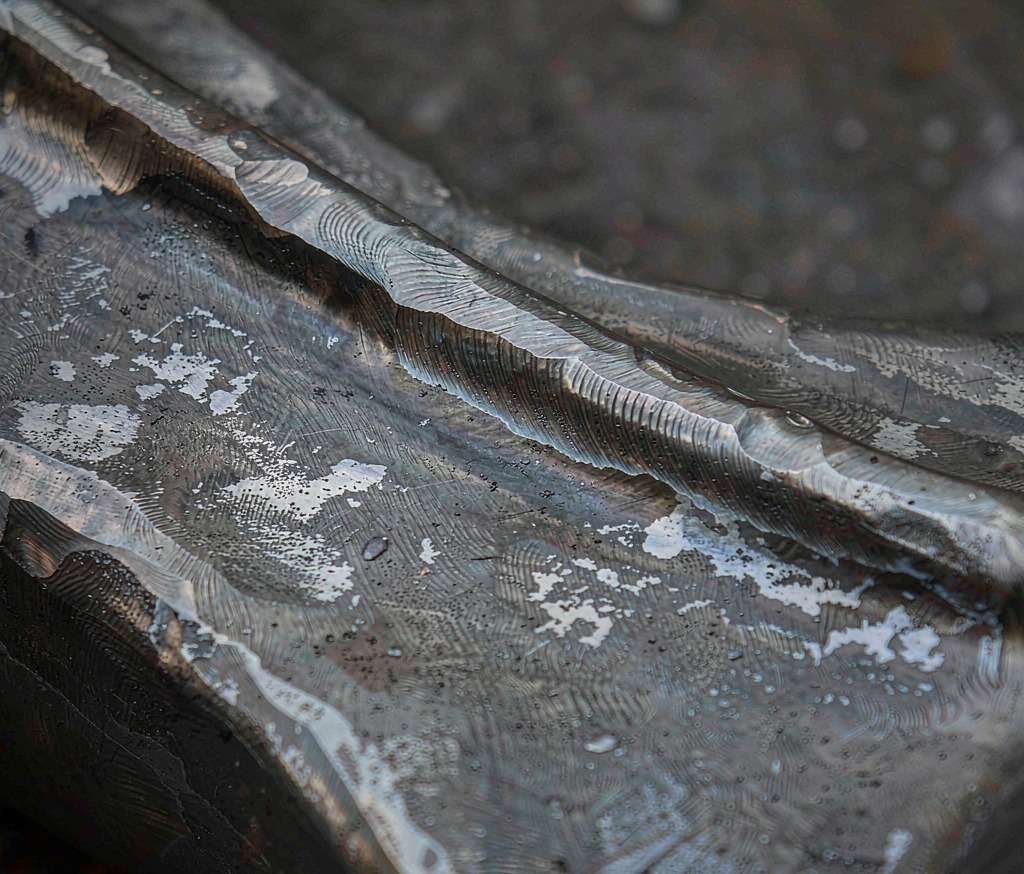
Cold forging wins decisively on dimensional accuracy and finish: tolerances are tight and surfaces are clean and often usable as-forged. Hot forging leaves scale and a wider tolerance band, so parts usually need machining on critical features. For net-shape die work, our closed-die forging service controls material flow and reduces flash and scrap.
Material Utilization and Strength
Cold forging’s near-net shape means little waste and high material yield, which is why it dominates fasteners. Hot forging can require more stock and more machining. On strength, both improve on the billet, but cold forging adds work-hardening while hot forging delivers superior grain flow for dynamic loads. See our forged steel parts overview for application examples.
Volume and Tooling Economics
Cold forging needs robust, expensive tooling but runs fast and cheap per piece, so it pays off at high volume. Hot forging tooling is also costly but more forgiving on size and alloy. For very large or low-volume parts, open-die forging avoids the cost of a closed die entirely.
Which Should You Specify?
Choose cold forging for small, high-volume, precision parts with good surface finish and strength from work hardening—fasteners, fittings, bushings. Choose hot forging for large, complex, or heavily loaded parts where grain flow and toughness beat tight as-forged tolerances. Many programs combine both with forging plus machining to add precision features.
Process Flexibility
Hot forging handles a wider range of sizes and alloys, including grades that are difficult to cold form. Cold forging is limited by the force needed to shape at room temperature, so very large sections are impractical. Our metal forging team selects the temperature window—hot, warm, or cold—to match the part.
Frequently Asked Questions
Which is stronger?
Both strengthen the metal versus the raw billet. Cold forging adds work hardening; hot forging aligns grain for toughness. The better choice depends on the load case.
Is cold forging cheaper?
Per piece at high volume, yes—less scrap and no heating. Tooling is expensive, so it only wins above a volume threshold.
Do forged parts still need machining?
Usually on critical faces. Cold-forged parts need less; hot-forged parts need more. Hybrid forging-plus-machining delivers net features where they matter.
Specify the Right Forging
Tell us the part’s size, volume, alloy, and which features are critical and we will recommend hot, warm, or cold forging—then machine and finish to print.
Ready to Start Your Project?
Get a build-ready quote on your custom metal parts within 24 hours. Share your drawing and our engineers will respond with process, lead time, and pricing.

