
Inconel 600 is a solid-solution nickel-chromium alloy built for heat and corrosion resistance, which also makes it a handful on the shop floor. Procurement teams specifying it for furnace components, heat-treating fixtures, or chemical hardware need a clear picture of how Inconel 600 machining differs from ordinary steel work. This guide covers the material behavior, the cutting parameters that keep it stable, and the questions that separate a capable supplier from a risky one.
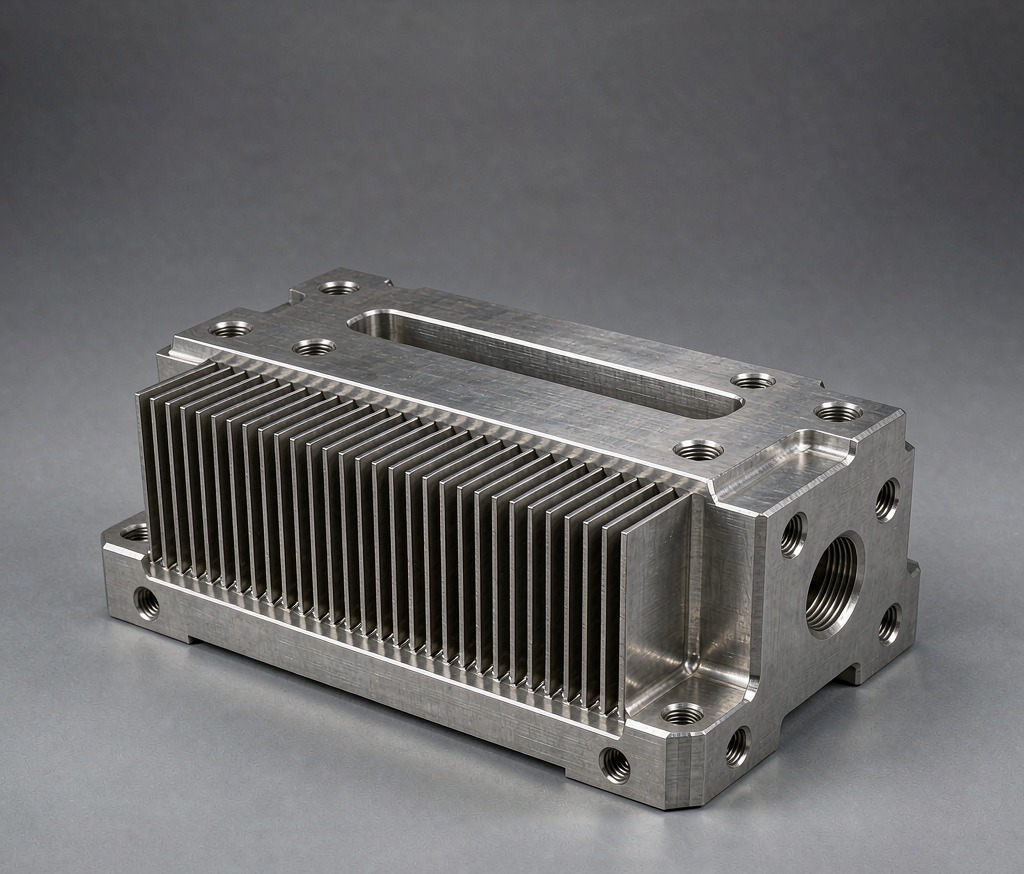
Inconel 600 Properties and Machinability
600 keeps useful strength from cryogenic temperatures up to about 1093 degC and resists oxidation and a broad range of corrosives. Machinability is low because the alloy work-hardens rapidly and carries heat in the cut rather than letting it flow into the chip. As a result, roughing is best done on rigid CNC milling and CNC turning equipment with heavy, consistent depth of cut so the tool never skims the surface and builds a hardened skin.
Alloy selection is the first buyer decision. 600 is chosen when oxidation and moderate corrosion control matter more than peak strength; where higher strength is needed, a precipitation-hardened grade is the better fit. Knowing which you need prevents over-specifying an expensive alloy for a duty a simpler one could handle.
Optimized Cutting Parameters
Lower surface speeds than steel, positive-rake carbide inserts, and sharp edges are the foundation. Through-tool coolant helps evacuate heat, and climbing (down) milling reduces rubbing on the work-hardened layer. For contoured or thin-wall parts, 5-axis CNC machining minimizes setups and supports better tool angles. When geometry is too intricate for milling, investment casting can supply near-net shapes that only need finishing passes.
Tolerances and Finishes
Standard machining tolerances follow ISO 2768, with critical seats and bores brought in by finish grinding. Because 600 work-hardens, the surface finish depends on disciplined passes rather than a single magic tool. Tell your supplier the functional finish requirement so they can budget the right rough-finish sequence and avoid surprise rework.
Heat Treatment Considerations
600 is typically used in the annealed condition; stress-relief after heavy machining helps dimensionally stable thin parts. Unlike precipitation-hardened nickel alloys, it does not need age hardening, but heat treatment control still matters for flatness and residual stress. Final passivation improves corrosion performance on exposed surfaces.
Industries and Use Cases
Machined 600 appears in heat-treating baskets, furnace muffles, aerospace ducting, chemical process hardware, and nuclear steam-generator tubing supports. It is a strong alternative to stainless when temperature or oxidation rules out 300-series grades. Our detailed write-up on Inconel machining“>Inconel machining and the comparison with Hastelloy machining services“>Hastelloy machining services help you pick the right nickel alloy for the duty.
Cost and Lead-Time Planning
Budget for slower cycle times than steel and for inspection of critical dimensions. Because 600 is a specialty alloy, raw-stock lead time can dominate the schedule, so releasing drawings early and confirming bar or plate availability with the supplier shortens the path to finished parts.
FAQ
How does Inconel 600 compare to 625 for machining?
600 is a solid-solution alloy; 625 adds molybdenum and niobium for strength and is even gummier to cut. 600 is generally the easier and cheaper of the two to machine.
What tolerance can I expect?
Typical commercial tolerance is ISO 2768-m, with tighter limits on critical features by agreement. State the functional limits rather than a blanket tight number to control cost.
Can 600 be plated or coated?
Yes. nickel alloy machining services“>nickel alloy machining services often pair 600 with passivation or specialty coatings for extra wear or release performance.
How to Choose a Supplier
Ask for evidence of nickel-alloy experience, material certification, and a DFM review that flags thin walls or tight tolerances before cutting begins. A shop that quotes 600 without discussing heat and corrosion exposure is guessing, and you will pay for that guess later.
Inspection and Acceptance
For 600, verify the annealed condition and the corrosion class you specified. A simple hardness check and PMI catch most substitution errors. If the part seals a system, request a surface-finish record on the sealing face, since a rough seat leaks regardless of the alloy behind it.
Common Pitfalls to Avoid
The usual mistakes are under-specifying tolerance, skipping certification to save a few percent, and choosing 600 when a cheaper grade would do. None of these saves money once a part fails in heat or chemicals. Another quiet trap is forgetting lead time: 600 is a specialty alloy, and stock availability, not machine capacity, often sets your delivery date.
Working With a Machining Partner
Bring the shop into the conversation before release. A capable supplier will flag thin walls, suggest a near-net casting route for heavy stock removal, and confirm the heat-treat and finish plan in writing. That coordination turns a risky exotic alloy into a predictable, repeatable part, and it is the difference between a quote you can trust and a number that hides rework.
First Articles and Production Ramp
For any new 600 part, approve a first-article before releasing volume. The first piece confirms the process, the finish, and the inspection record, and it de-risks the whole batch. Once the route is proven, repeat orders become fast and predictable, and you can tighten lead time as the shop learns your prints. That ramp is standard for exotic alloys and pays for itself on the second order.
Total Cost of Ownership
Do not score 600 purely on unit price. The alloy cost, the slow cutting, and the inspection are real, but so is the service life in heat and corrosion. Compare the installed cost over the maintenance interval, and 600 usually wins against a cheaper grade that fails early. Frame the quote that way and the sourcing decision becomes obvious.
Ready to Start Your Project?
Get a build-ready quote on your custom metal parts within 24 hours. Share your drawing and our engineers will respond with process, lead time, and pricing.

