
Inconel X750 machining deals with a precipitation-hardenable nickel-chromium superalloy best known for its use in springs, gas-turbine components, and high-temperature fixtures. It keeps useful strength from cryogenic temperatures up to about 700°C and resists relaxation and corrosion—ideal for springs that must not lose load. Like other nickel superalloys it is gummy, work-hardens, and demands controlled cutting. This guide explains how to hold tolerance through machining and heat treatment.
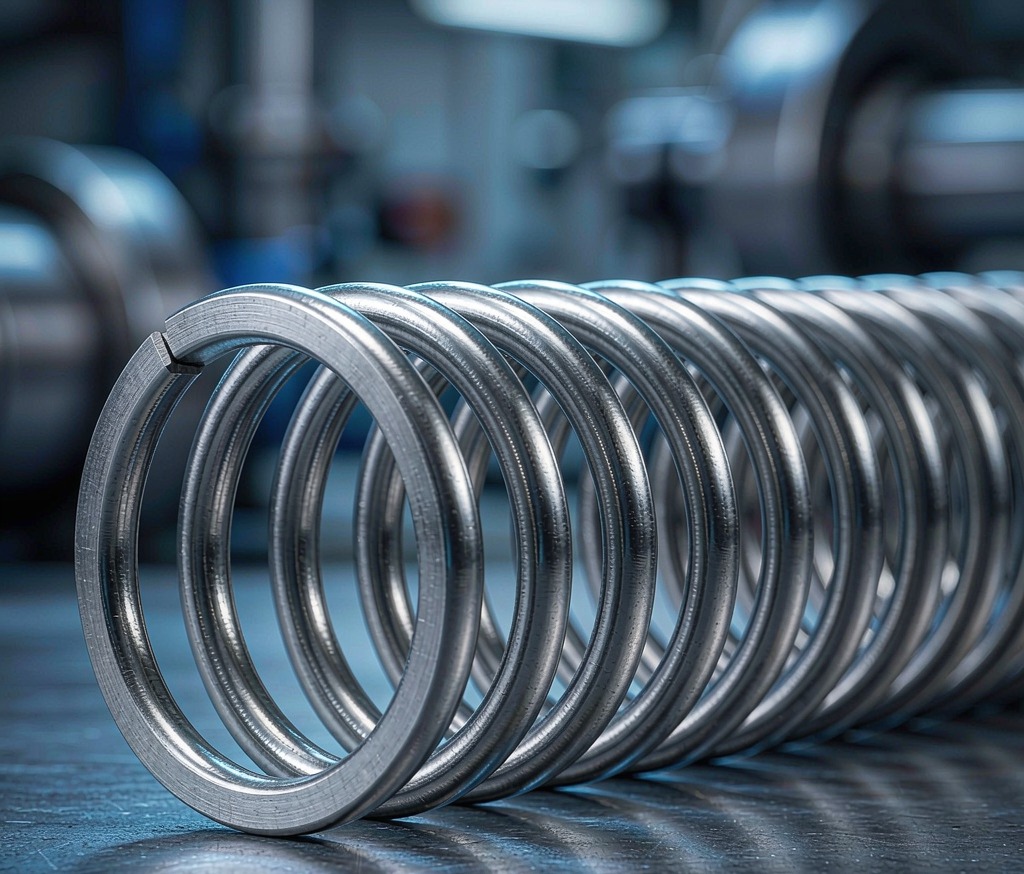
Inconel X750 and Age Hardening
Inconel X750 is strengthened by gamma-prime precipitation, usually via solution treatment followed by age hardening. That same metallurgy makes it tough and springy on the machine, with strong work-hardening under the cutter. Machining is typically done in the solution-treated (softer) condition, with final age hardening after the shape is cut—so the sequence matters for both tool life and final dimension. Our Inconel machining guide covers the family; X750 adds the spring-grade nuance.
Machining Strategy and Tooling
Use sharp, positive-rake coated carbide, moderate speeds, and firm feeds so the tool takes a real cut instead of rubbing and hardening the skin. Rigid CNC milling and CNC turning with high torque and minimal overhang suppress chatter on the弹性 alloy; 5-axis CNC machining holds complex spring and fixture geometry in fewer setups. Through-spindle coolant manages heat, and our material consulting team confirms the heat-treat condition before release.
Tolerances After Heat Treatment
Because final age hardening changes dimensions slightly, the smart workflow machines to leave stock for post-heat-treatment finish, then grinds or EDM machines critical features. A controlled heat treatment cycle is essential to hit both hardness and tolerance—our heat treatment services post describes the capability. Measuring spring-rate-critical parts after full hardening avoids surprises in assembly.
Spring and High-Temperature Uses
Inconel X750 is specified for gas-turbine blades and seals, rocket-motor casings, and—most iconically—high-temperature springs and fasteners that must not relax. It is a close cousin of Inconel 718 but favored where spring properties dominate. For flight-critical work our aerospace machining services and nickel alloy machining services provide the traceability and process discipline these parts require.
Inspection, traceability, and spring-rate control. For X750 springs and turbine hardware, the deliverable is not just a shape but a predictable load and relaxation behavior, so we verify critical features after full hardening and document the heat-treat cycle with the part. Our aerospace machining services provide the lot traceability these components demand, and our nickel alloy machining services cover the wider family when a design shifts grade. Specify X750 when a component must keep its spring or strength at temperature where other alloys relax; the extra process discipline is what makes that performance repeatable across a production batch.
Commercially, X750 sits in the premium superalloy bracket, and the economy comes from reliability rather than price. Springs and turbine parts made from it rarely fail in service, which protects downstream assemblies that are far more expensive to repair. We advise buyers to lock the heat-treat recipe and inspect to print, because the alloy’s performance is only as good as its process control. For programs spanning many parts, consolidating machining and heat treatment with one supplier removes a common source of variance between lots.
Frequently Asked Questions
Should X750 be machined before or after hardening?
Usually machined soft (solution treated), then age hardened, with critical features finished afterward.
Why does it work-harden?
Its precipitation-hardenable nickel matrix strain-hardens under rubbing; sharp tools and firm feeds prevent it.
What is Inconel X750 used for?
Turbine components, high-temperature springs and fasteners, and rocket-motor hardware needing relaxation resistance.
How are tight tolerances held?
By leaving stock for post-heat-treatment finishing via grinding or EDM and verifying after full hardening.
Ready to Start Your Project?
Get a build-ready quote on your custom metal parts within 24 hours. Share your drawing and our engineers will respond with process, lead time, and pricing.

