
Maraging steel — most often 18Ni grades such as 250, 300, and 350 — combines very high strength with unusually good machinability in the solution-treated (annealed) condition. That makes maraging steel machining a favorite for aerospace tooling, fixture details, and high-performance components. The trick is sequencing the work around its unique heat treatment so you never fight the aged hardness.
What Is Maraging Steel
Maraging steels are low-carbon iron-nickel alloys that age-harden by precipitating intermetallic phases instead of carbides. In the solution-treated state they are soft enough to machine like a stainless steel machining job; after aging at ~480 °C they jump to 1,800–2,400 MPa with minimal distortion, which is why they are used for dies, shafts, and structural parts that must stay accurate.
Machinability and Challenges
Compared with tool steel machining, maraging steel cuts cleanly with less work hardening, but it is gummy and prone to built-up edge if speeds are wrong. The main risk is machining after aging — aged stock is extremely hard and should only be ground or lightly finished, never rough-milled, or you will destroy tooling and the part.
Tool Selection
Use sharp uncoated or TiAlN-coated carbide with positive rake. Because the material is tough, rigid setups on 5-axis CNC machining centers prevent chatter on long thin features. High-pressure coolant keeps the edge clean during CNC turning of round stock, and sharp inserts refreshed often avoid the built-up edge that ruins surface finish.
Cutting Speeds and Feeds
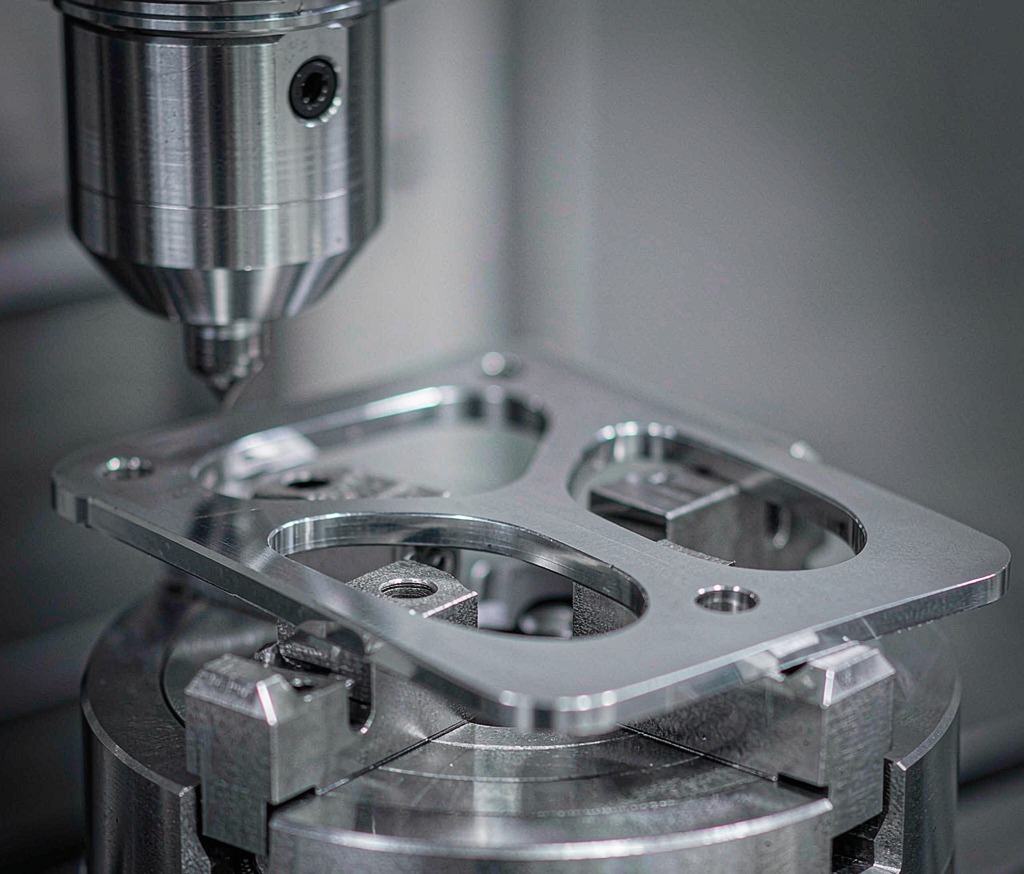
In the solution-treated state, start around 30–50 m/min for carbide turning and 20–40 m/min for milling, with moderate feeds and no dwell that could work-harden. Avoid pecking that rubs; prefer constant engagement. For CNC milling of fixture plates, climb cutting gives the best finish and longest tool life on this gummy alloy.
Heat Treatment Sequence
Machine in the soft solution-treated condition, then age. Because aging grows strength with almost no shrinkage, you can hold final dimensions from the machined state and skip finish stock. Our heat treatment line manages the age cycle and any stress relief together with your part, so the sequence is a single controlled flow rather than two vendors.
Quality Control
Verify hardness after aging and check for distortion on thin sections. Our aerospace machining services include CMM inspection for critical tooling; the stainless steel machining guide covers similar inspection discipline that transfers well to maraging stock.
Common Part Examples
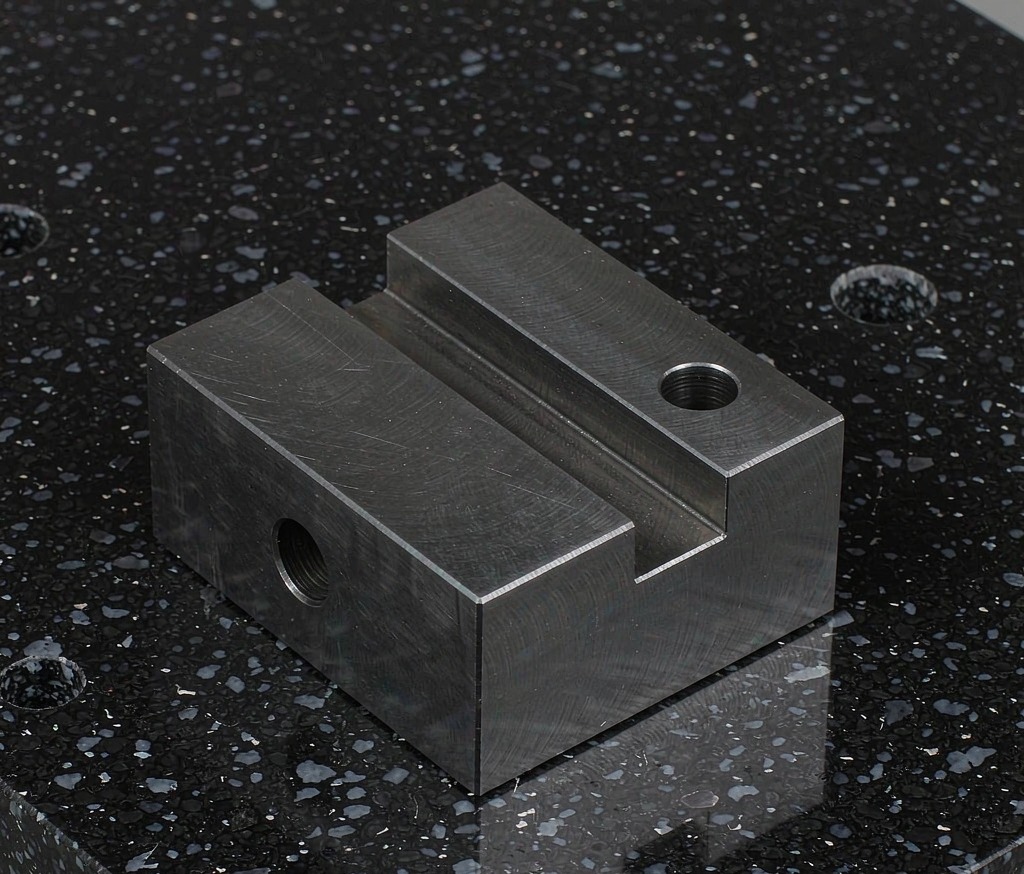
Typical maraging parts include injection-mold inserts, aerospace fixture details, and high-strength shafts where a uniform hardness after aging prevents brinelling under load. Because the alloy ages without shrinking, these parts often hold their machined dimensions through heat treatment and need only a light final grind.
For very thin or finely featured tools, support the part during aging to avoid relaxation, and confirm the solution-treated hardness before you start cutting — if a lot arrives already aged, switch to grinding rather than forcing a milling pass that will only destroy the tool.
Tool Life and Cost Reality
Maraging steel is kinder to tools than hardened tool steel, but the gummy chip still wears edges faster than aluminum or free-machining steel. Budget for frequent insert changes and use high-pressure coolant rather than pushing one insert through a long job. The small extra in tooling is repaid by avoiding a built-up edge that ruins a finished face.
Because most of the value is added before aging, a scrap part caught during machining costs far less than one scrapped after the furnace. Stage inspections after roughing and before the aging cycle so you never pay for heat treatment on a part that will be rejected for a dimensional error.
Storage and Handling
Solution-treated maraging stock is soft and can dent or bruise if stacked carelessly, so handle it like a finished part before aging. Keep batches separated by lot and heat number so the furnace records trace to the machined parts, and avoid mixing grades on one fixture. Good housekeeping here prevents a costly mix-up that only shows up after the parts have been aged and can no longer be re-machined.
Fixture and Clamp Load
Because solution-treated maraging is soft, over-tight clamps leave permanent marks that the aging step will not remove, so use even, padded clamping and support thin sections to avoid deflection under the cut. A part that springs back after unclamping will measure out of tolerance even though the toolpath was correct, which is a classic and avoidable maraging defect.
Grade Selection Basics
The 250, 300, and 350 grades trade a little toughness for rising strength, and 350 is the default for the highest-load tooling. If weldability orformability after aging matters, 250 is the safer choice. Pick the grade from the service load rather than habit, and machine all of them in the soft state using the same tooling philosophy described above regardless of the final hardness target.
FAQ
Should I machine maraging steel before or after aging?
Almost always before aging, while it is solution-treated and soft; aging only adds a light finishing or grinding step afterward.
Is it harder to machine than tool steel?
No — in the annealed state it machines more easily than hardened tool steel, but it gums up if speeds are wrong or inserts go dull.
What hardness can it reach?
Aged 18Ni grades reach roughly 50–58 HRC depending on the grade (250/300/350), with 350 the highest strength.
Ready to Start Your Project?
Get a build-ready quote on your custom metal parts within 24 hours. Share your drawing and our engineers will respond with process, lead time, and pricing.

