
Maraging Steel Machining: Precision Tips for High-Strength Tooling Parts
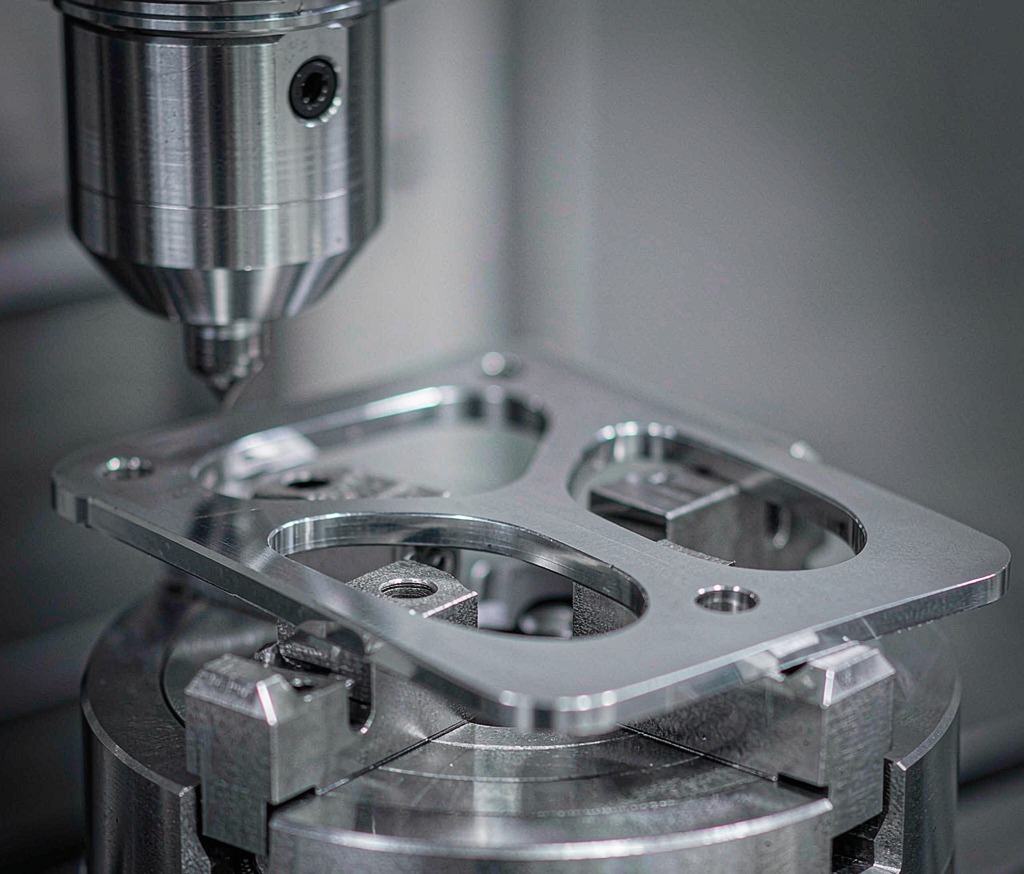
Maraging steel — most often 18Ni grades such as 250, 300, and 350 — combines very high strength with unusually good machinability in the solution-treated (annealed) condition. That makes maraging steel machining a favorite for aerospace tooling, fixture details, and high-performance components. The trick is sequencing the work around its unique heat treatment so you […]
D2 Tool Steel Machining: Taming the Wear-Resistant Die Steel
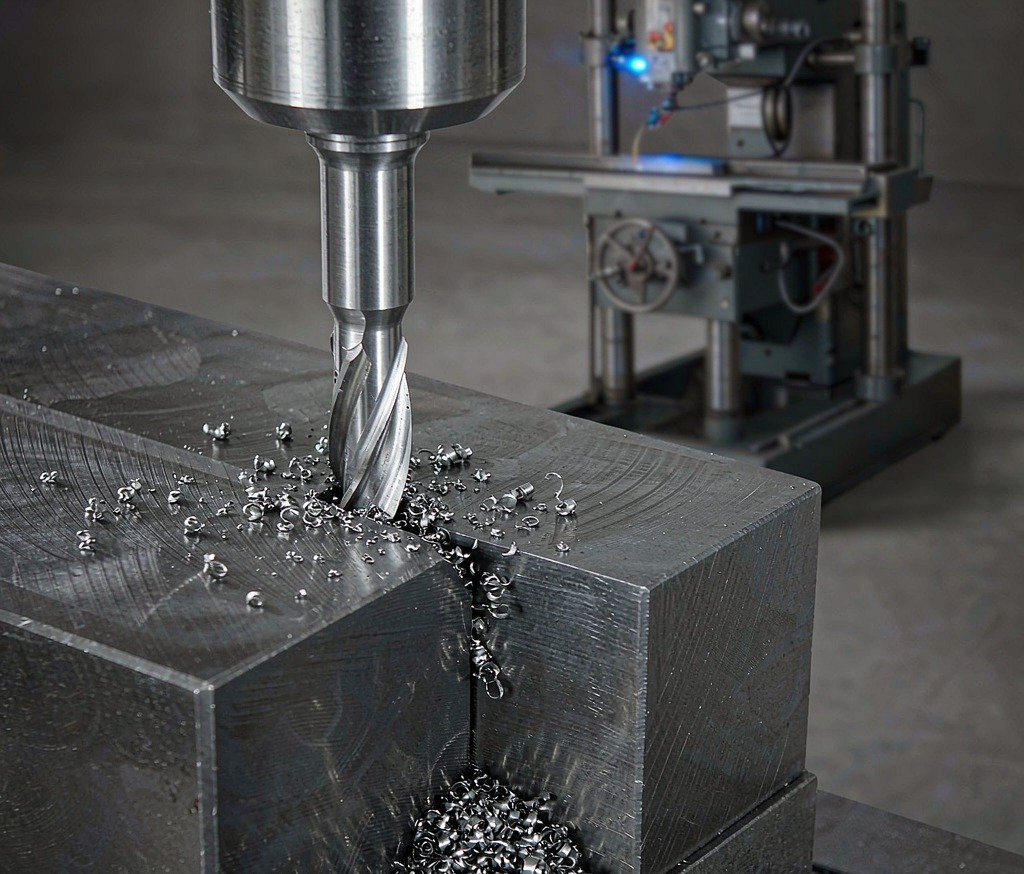
D2 is the cold-work tool steel you reach for when a part has to resist abrasion: blanking dies, forming tools, shear blades, roll punches and wear plates. Its high carbon and roughly 12% chromium build a matrix full of hard carbides that give D2 outstanding wear resistance — and make it one of the more […]
H13 Tool Steel Machining: A Practical Guide for Dies and Hot-Work Tooling

H13 is the workhorse hot-work tool steel behind die-casting dies, forging tools, extrusion mandrels and plastic molds. It is also one of the more demanding steels to cut. Its vanadium-rich carbides wear tools fast, it work-hardens if you let the cutter rub, and it conducts heat poorly so the cutting zone runs hot. The good […]
Vacuum Heat Treatment Services: Clean, Distortion-Controlled Hardening
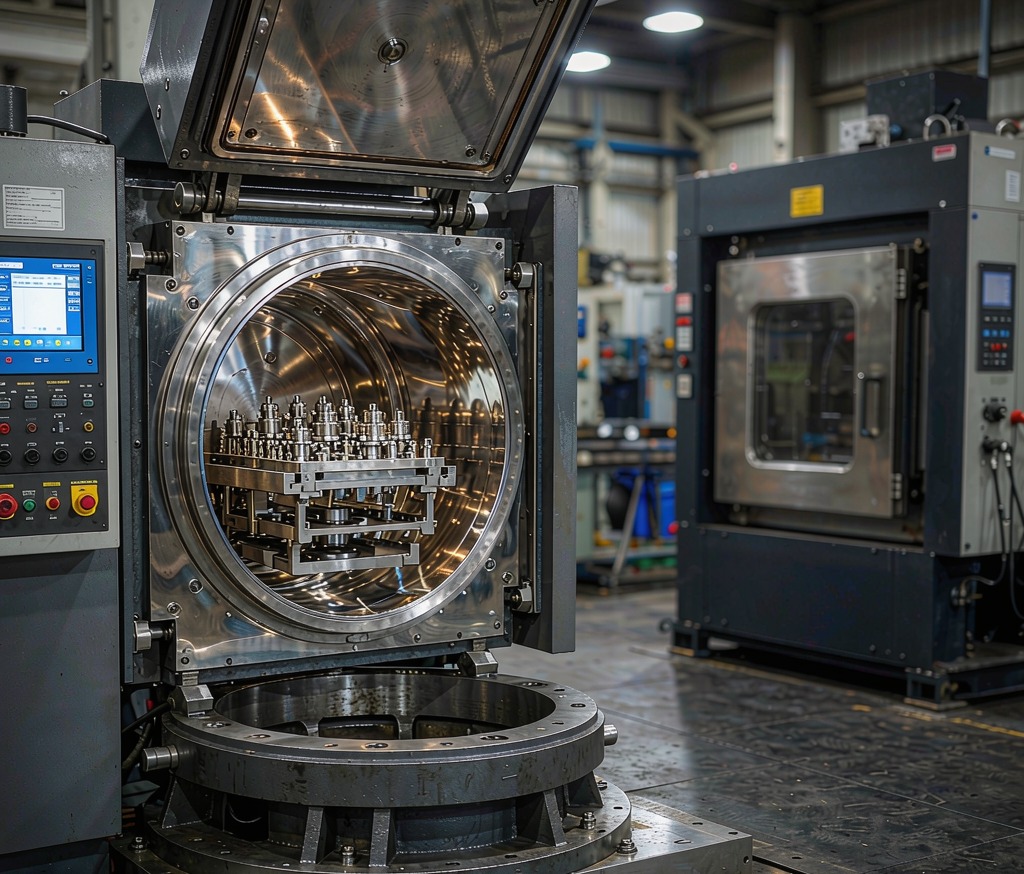
Vacuum heat treatment removes the atmosphere from the equation. With no oxygen and no carbon-bearing gas in the chamber, parts come out bright, dimensionally stable, and free of the oxide scale, decarburised skin, and intergranular attack that atmosphere furnaces leave behind. For finish-machined tool steel, stainless, titanium, and superalloy components, that usually means the part […]
Tool Steel Machining: Grades, Challenges, and Best Practices

Tool steels – D2, A2, H13, M2 – are the hardest, most abrasive materials a machine shop sees, and they punish weak setups. Tool steel machining demands rigid machines, the right grades of carbide, and a clear plan for heat treatment. This guide explains the common grades, the machining challenges, and how to get tight […]

