
Nickel 200 is commercially pure nickel, chosen when corrosion resistance, magnetic properties, and thermal and electrical conductivity matter more than high strength. It machines differently from its alloyed cousins: softer, gummier, and prone to built-up edge. This guide explains how professional Nickel 200 machining controls those quirks for food, chemical, and electronics buyers.
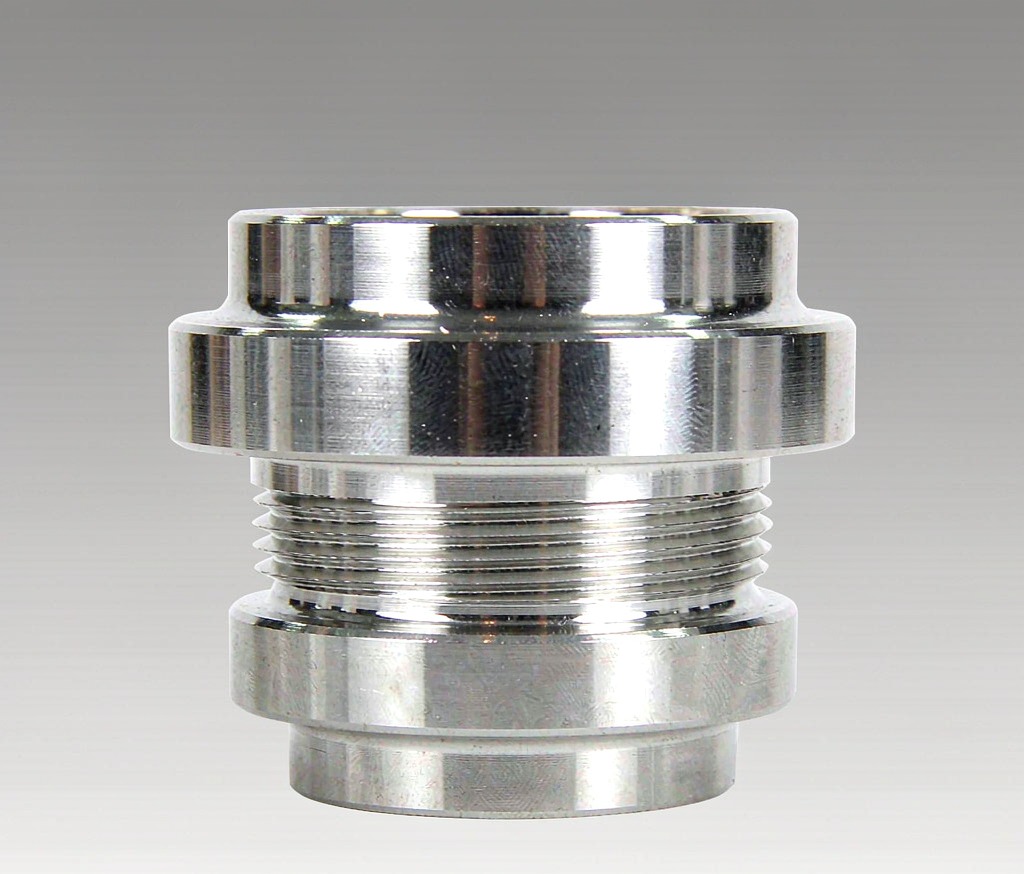
Nickel 200 Properties
With about 99 percent nickel, 200 resists caustic alkalis, food acids, and many reducing chemicals, and it stays ductile down to cryogenic temperatures. That purity also means it is sticky in cutting and builds edge on the tool. Successful work relies on sharp tools and proper rake rather than brute force, typically on CNC milling and CNC turning centers set up for non-ferrous gummy metals.
Grade selection is the first question. Nickel 201 is the low-carbon variant for service above 315 degC; 200 is the right call below that and is usually the more available, lower-cost stock. Specifying the wrong grade adds cost with no benefit, so confirm the operating temperature before ordering.
Machining Pure Nickel
High-speed steel can work for light work, but carbide with polished flutes is preferred to shed the gummy chip. Generous rake, modest speeds, and firm clamping prevent the part from smearing. For thin sheet details, sheet metal laser cutting prepares blanks before finish machining. Contoured parts gain from 5-axis CNC machining to limit handling of a soft, easily marked material.
Tolerances and Finishes
Commercial tolerance is ISO 2768-m, with critical features tightened by grinding. Because nickel is soft, surface finish is easy to spoil with a dull tool, so insert changes are scheduled proactively. Many buyers add nickel plating for wear or passivation for a clean, low-particle surface in food and semiconductor use.
Plating and Passivation
Although 200 is already corrosion resistant, plating or passivation reduces particle generation and improves cleanability in sensitive lines. Specify the finish class up front so the shop plans handling that avoids contamination and finger marks on the bright metal.
Applications
You will see machined 200 in caustic evaporators, food-processing hardware, battery and electronics components, and cryogenic vessels. Our broader look at nickel alloy machining services“>nickel alloy machining services and the comparison with Inconel machining“>Inconel machining help you decide between pure nickel and a stronger nickel alloy for the duty.
FAQ
Is Nickel 200 the same as 201?
No. 201 has lower carbon for service above 315 degC to avoid graphitization; 200 is fine below that. Pick based on operating temperature.
Why does nickel smear instead of cut cleanly?
Pure nickel is ductile and gummy; sharp, positively raked tools and the right speed prevent built-up edge and a poor finish.
Can 200 be welded?
Yes, with matching pure-nickel filler using standard nickel procedures. Machined parts are often welded into larger assemblies.
Supplier Selection
Ask for material certification and a handling plan for soft, bright surfaces. A shop experienced in Hastelloy machining services“>Hastelloy machining services and pure nickel will already have the tooling and cleanliness discipline to deliver 200 right the first time.
Inspection and Acceptance
For pure nickel, the main risk is contamination and mix-up with stronger nickel alloys. Require a mill test report, PMI, and a handling note for bright surfaces. For food or semiconductor use, ask about particle and cleanroom controls, because a clean alloy is useless if the shop handles it like a shop floor afterthought.
Common Pitfalls to Avoid
Specifying 200 above 315 degC instead of 201 invites graphitization; using the wrong finish ruins cleanability. Both are easy to avoid with a clear drawing and a short call with the shop. The other error is assuming pure nickel is weak: it is plenty strong for the corrosive duties it is chosen for, so do not over-specify an alloy you do not need.
Working With a Machining Partner
State the duty temperature, the finish class, and any plating up front. A shop experienced in nickel will quote confidently, propose the right coolant and tooling, and flag risks early instead of discovering them at finish. That discipline is what keeps a soft, bright part unmarred from raw stock to packaged shipment.
First Articles and Production Ramp
For a new 200 part, qualify a first-article with a hardness and PMI check, then lock the route. Pure nickel is consistent and easy to repeat once the tooling and handling are set, so the ramp is short and reorders are reliable. Use that stability to keep inventory lean without risking fit issues.
Total Cost of Ownership
Nickel 200 is more expensive than steel but cheaper than most alloys, and its corrosion life in caustic and food service is the reason to pay. Compare lifetime cost in the actual duty, and 200 usually beats a low-cost metal that needs frequent replacement.
Quick Sourcing Checklist
Before you send the PO, confirm four things: the grade is 200 (not 201) for your temperature, the finish class is specified, any plating is called out, and the handling note for bright surfaces is included. With those clear, a nickel-experienced shop returns clean, traceable parts that pass audit and perform in caustic or food duty.
Final Note
If your duty is less aggressive, a lower-cost stainless may serve; if you need strength, step up to an alloy rather than pushing pure nickel. Matching the exact grade to the load is the simplest way to control cost while keeping the corrosion life that makes nickel worth specifying.
Ready to Start Your Project?
Get a build-ready quote on your custom metal parts within 24 hours. Share your drawing and our engineers will respond with process, lead time, and pricing.

