
Moving a part from a handful of prototypes to steady production looks simple until it is not. The gap between “we proved it works” and “we can make 5,000 a month” is where timelines slip, costs balloon, and quality drifts. This guide covers how to bridge prototype to production for custom metal parts without surprises, from process selection to supplier handoff.
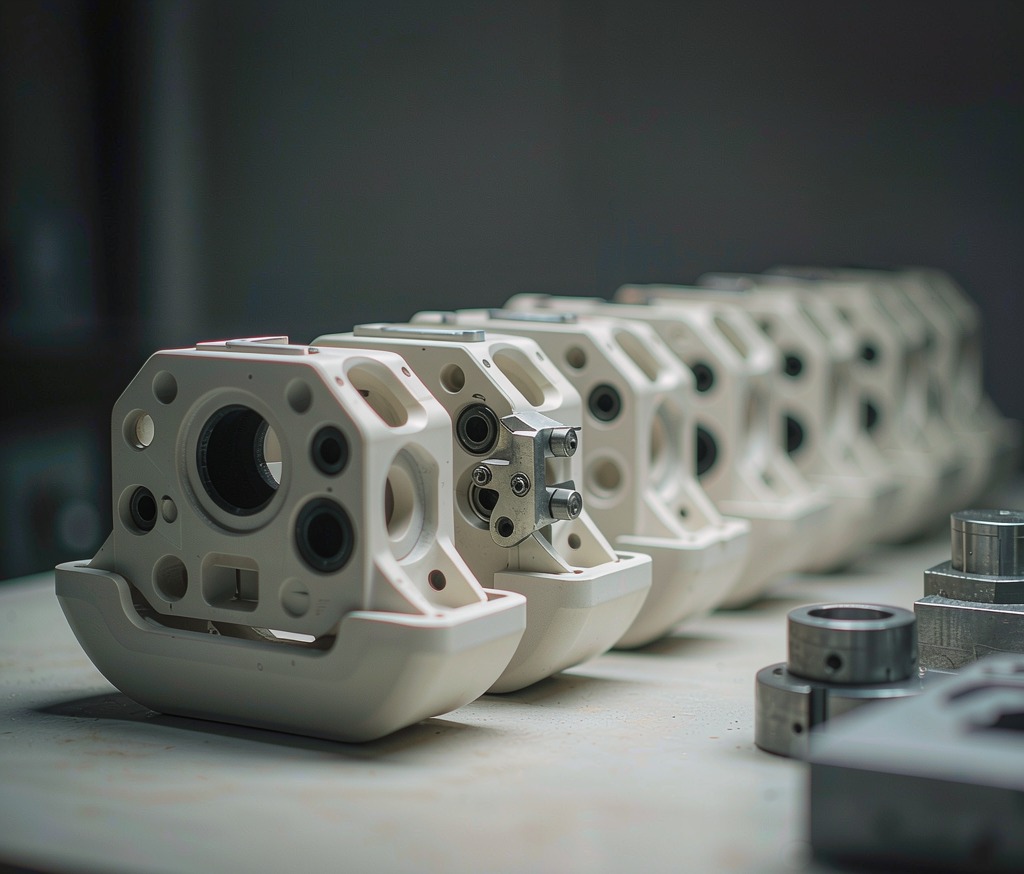
Why the Prototype-to-Production Gap Trips Teams Up
A prototype answers “can it be made?” Production asks “can it be made the same, every time, at cost?” The processes that are ideal for one or five pieces are rarely ideal for thousands. For example, a part proven on CNC milling may move to casting or OEM production services for volume. Crossing that bridge without a plan is the single most common cause of launch delays.
Choosing the Right Process at Each Stage
Early validation favors flexible, fast processes: CNC machining and CNC turning for fit and function checks, 3D printing for form. As volumes rise, die casting, forging, or progressive stamping take over to drop unit cost. The art is choosing the crossover point where tooling investment pays back. Our metal rapid prototyping services help you validate before committing to a production process.
Tooling, Fixtures, and Program Reuse
Production efficiency comes from reuse. Dedicated fixtures, proven CAM programs, and stocked raw material turn a slow first article into a repeatable run. A shop that retains your programs between orders can restart in hours, not days. This is where DFM support pays off: small, early design changes make tooling and fixturing far simpler later.
Quality and Documentation Continuity
The biggest risk in scaling is losing the quality evidence that qualified the prototype. Lock the FAI, inspection plan, and material certs, then apply them to every batch. Assembly and secondary operations must follow the same work instructions as the approved sample. Consistent documentation is what keeps a 10-piece run and a 10,000-piece run identical.
Cost Curves Across the Ramp
Cost behaves differently at each stage of the ramp. At prototype, fixed costs dominate and unit price is high but flexibility is total. As you scale, variable cost per piece falls and tooling amortizes, but change becomes expensive. The steepest savings come from consolidating setups and reusing programs, which is why a supplier retaining your data matters. A learning curve also applies: the second and third batches run faster and with fewer deviations as fixturing and work instructions stabilize. Plan the ramp by forecasting volume in bands (10, 100, 1,000, 10,000) and asking what process and tooling make sense at each band. Crossing into a new process mid-ramp is normal, but only if the qualification evidence travels with the part so quality does not regress.
When to Qualify a Second Source
As volume grows, single-source risk becomes real: a fire, a capacity crunch, or a quality excursion at one shop can stall your line. Qualifying a second source is wise, but do it before you need it. Run a parallel first article at the backup, compare CMM and material results to the primary, and keep both programs current with periodic re-qualification. The cost of a dormant second source is small against the cost of a stopped production line. The key is transferring the same drawings, inspection plan, and approved sample so the backup is truly interchangeable. Our low-volume and production programs are structured so your data travels with the part and a second source can be brought online without relearning the part.
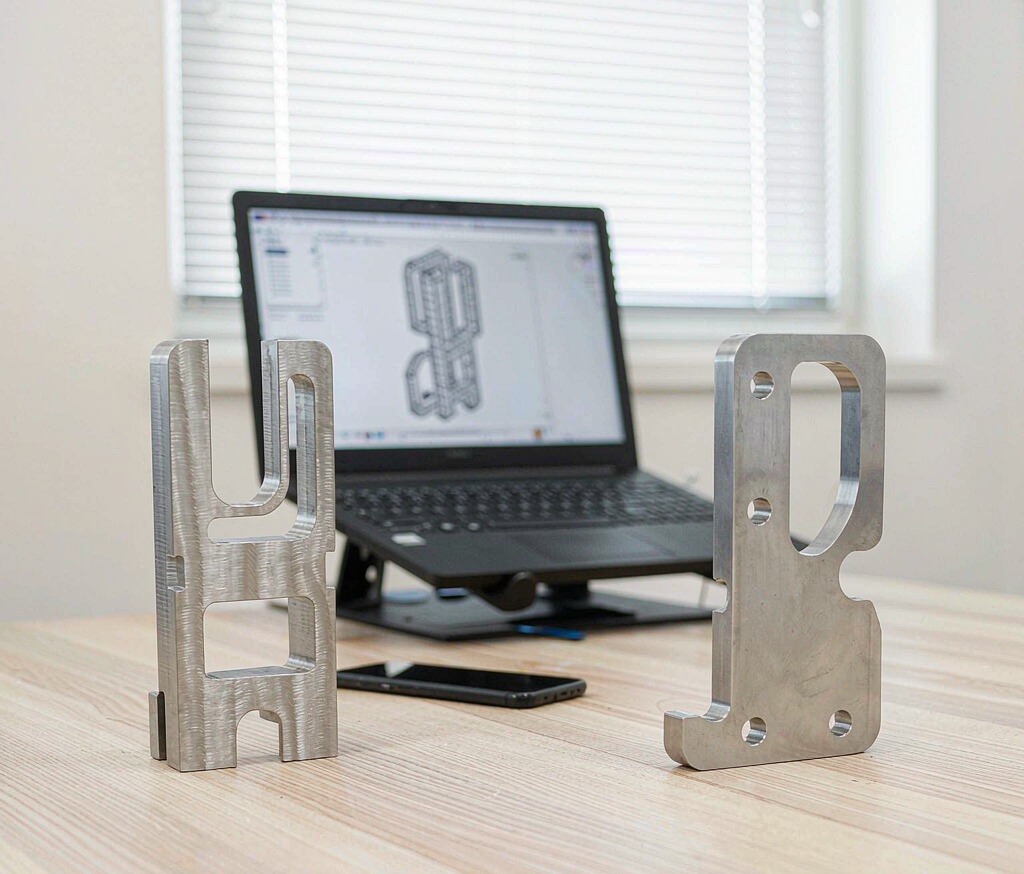
Supplier Handoff Checklist
Before you release volume, confirm: proven programs and fixtures exist, inspection criteria are written and agreed, materials and finishes are specified with certs, and the supplier can show capacity for your forecast. A clean handoff from prototype machining to low-volume manufacturing is the difference between a smooth ramp and a fire drill.
Frequently Asked Questions
When should I switch from machining to a casting or forging?
Generally once annual volume justifies tooling and the geometry suits the process. A DFM review compares per-piece savings against tooling cost to find the crossover.
How do I keep quality consistent at volume?
Retain the first-article approval, written inspection plans, and material certs, then apply them to every batch with SPC where appropriate.
Can the same supplier do prototype and production?
Yes, and it is preferable. A supplier holding your programs, fixtures, and history ramps faster and with less risk than switching vendors at scale.
What documents should travel with the handoff?
Approved drawing, FAI report, inspection plan, material certificates, work instructions for secondary operations, and a forecast.
Key Takeaways
The prototype-to-production transition succeeds or fails on planning, not luck. Validate form and function with flexible processes like CNC machining, then move to a volume process only when the numbers justify tooling. Retain programs, fixtures, and the approved first article so each batch reproduces the qualified sample. Keep quality documentation continuous across the ramp, because losing the evidence that qualified the prototype is the fastest way to regress at scale. And qualify a second source before you need it, with identical drawings and inspection plans so the backup is truly interchangeable. Done well, the ramp feels uneventful, which is exactly the point.
Plan the Ramp With Us
Tell us your prototype status and target volume and we will map the process path, tooling, and inspection plan so production is predictable. Our low-volume manufacturing service is built for exactly this transition.
Ready to Start Your Project?
Get a build-ready quote on your custom metal parts within 24 hours. Share your drawing and our engineers will respond with process, lead time, and pricing.

