
Welded Assemblies: Design, Fixturing & Production Quality
A welded assembly is more than two parts stuck together – it is a tolerance stack, a distortion risk, and a fixture problem solved before the first arc. Our welded assemblies service turns cut, bent, and machined components into dimensionally stable structures using TIG, MIG, spot, and robotic welding. This guide covers the design and process decisions that keep an assembly square, strong, and on-spec.

Design for Welding
Good assemblies start on the drawing. Provide weld symbols, accessible joints, and realistic tolerances; avoid welding into tight corners. Where a part also needs precision features, combine welding with CNC machining in one program so the datum chain stays controlled.
Joint Prep and Fit-Up
Fit-up quality drives weld quality. Laser-cut or CNC-bent edges reduce gaps; proper root openings prevent lack of fusion. For sheet structures, our sheet metal fabrication line delivers consistent blanks that fit first time.
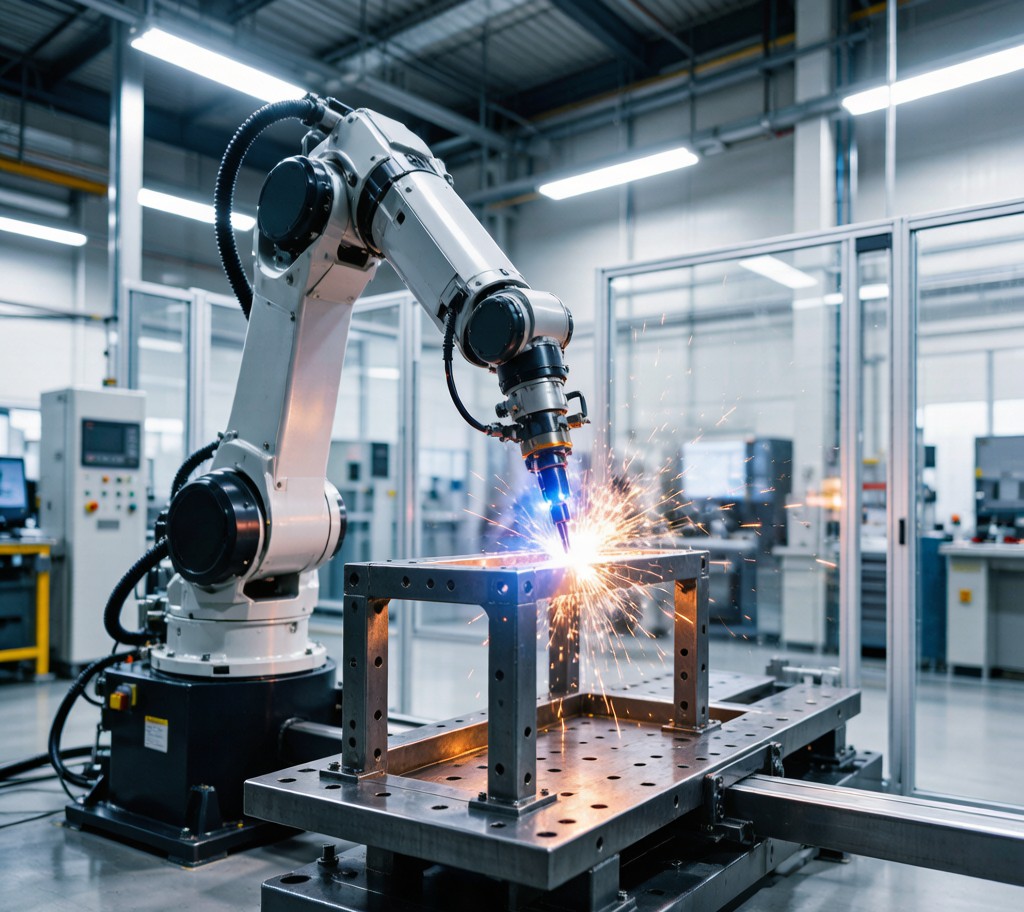
Fixturing and Distortion Control
| Problem | Cause | Control |
|---|---|---|
| Warping | Uneven heating | Weld sequence, clamping, tack pattern |
| Shrinkage | Contraction on cooling | Allowance, peening, stress relief |
| Misalignment | Poor fit-up | Fixtures, locator pins |
Robotic cells (our robotic welding) repeat the same sequence every part, which is the best defense against distortion drift.
Process Choice Within an Assembly
Mix processes to match the joint: TIG for thin or appearance faces, MIG for structural fill, spot for overlapping sheet. Our TIG and MIG welding services run on the same floor, so a single assembly can use the best tool for each seam.
Inspection and Quality
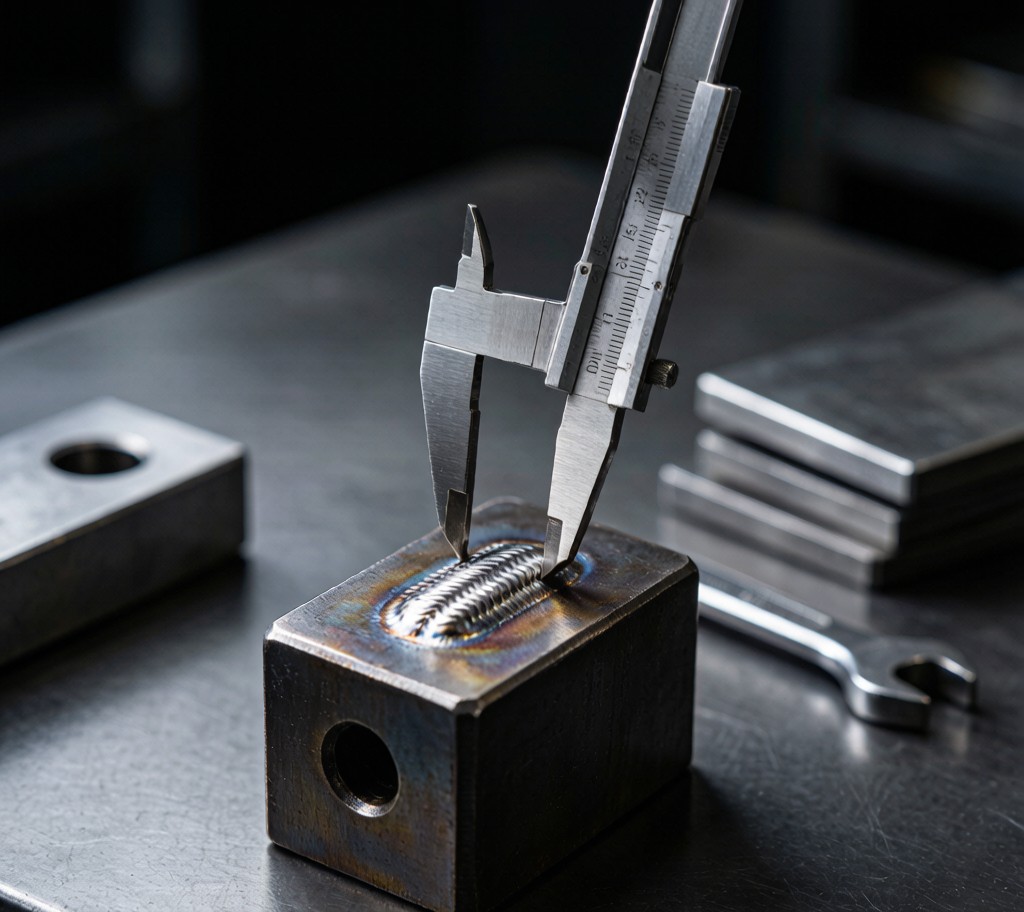
Production assemblies get dimensional inspection, weld visual checks, and optional dye-penetrant or radiographic testing for critical joints. Tie inspection to low-volume manufacturing first-article reports, then scale. For regulated markets, our medical device manufacturing and aerospace machining lines add traceability.
Finishing the Assembly
Most assemblies need surface treatment – powder coat, galvanize, or passivation – for corrosion resistance. Plan finishing early so weld spatter is removed and edges are safe to handle.
Frequently Asked Questions
How do you keep welded assemblies square?
Fixtures, locator pins, and a controlled weld sequence. Robotic welding repeats that sequence identically, which is why it holds tolerance on volume runs.
Can you weld machined parts into an assembly?
Yes – we often machine critical features first, weld, then finish-machine datums so the assembly meets the final drawing.
What tolerances can a welded assembly hold?
Typical welded structures hold +/- 1-2 mm over a meter; tighter features are machined after welding. We qualify the approach on a first article.
Ready to Start Your Project?
Get a build-ready quote on your custom metal parts within 24 hours. Share your drawing and our engineers will respond with process, lead time, and pricing.

