
Tolerance Stack-Up Analysis: Why It Matters for Custom Metal Parts

You can hold every individual dimension on a drawing to tight tolerance and still end up with an assembly that will not fit. The culprit is almost always tolerance stack-up: the way small variations on each feature add together across a chain of parts. Understanding stack-up is what lets engineers design assemblies that assemble the […]
Surface Roughness Guide for Machined Parts: Ra, Rz & Finish Selection
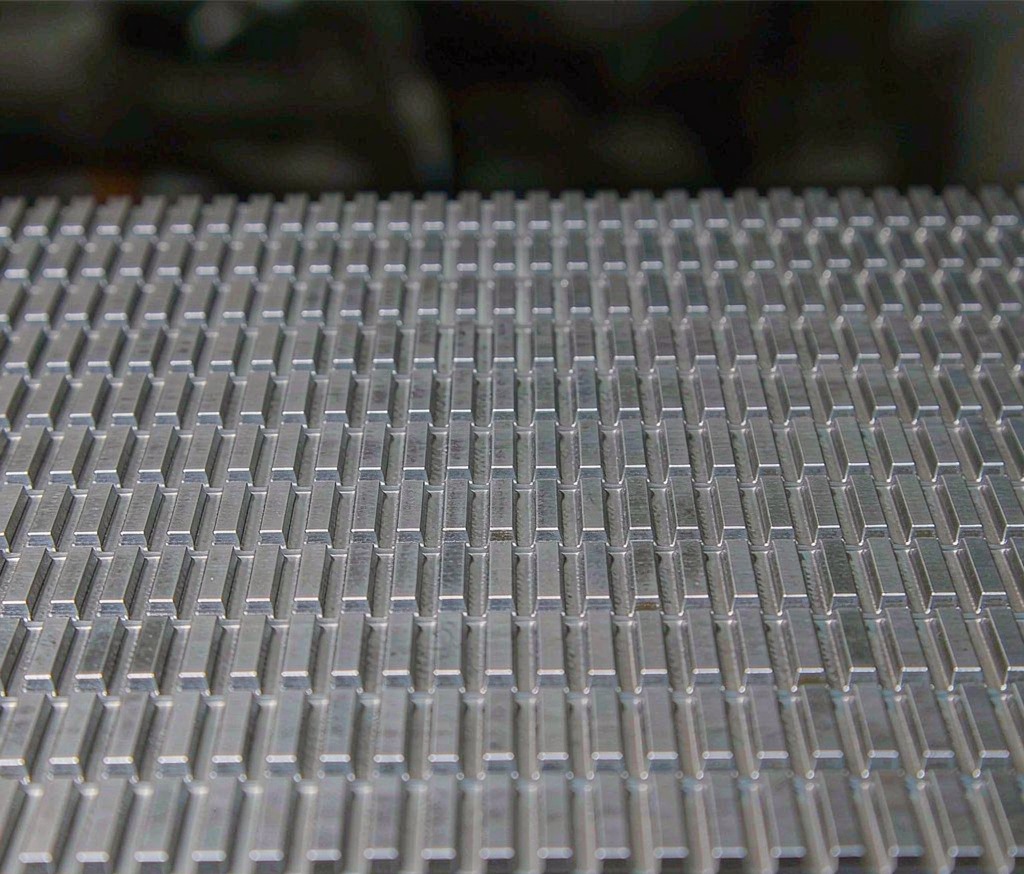
Surface roughness is one of the most specified—and most misunderstood—callouts on a machined part drawing. Get it right and parts seal, slide, and assemble as intended; get it wrong and you pay for finishes you do not need or ship parts that leak and gall. This guide explains what roughness values mean, how machining processes […]
Precision Machining Services: Tight Tolerances, Repeatable Quality
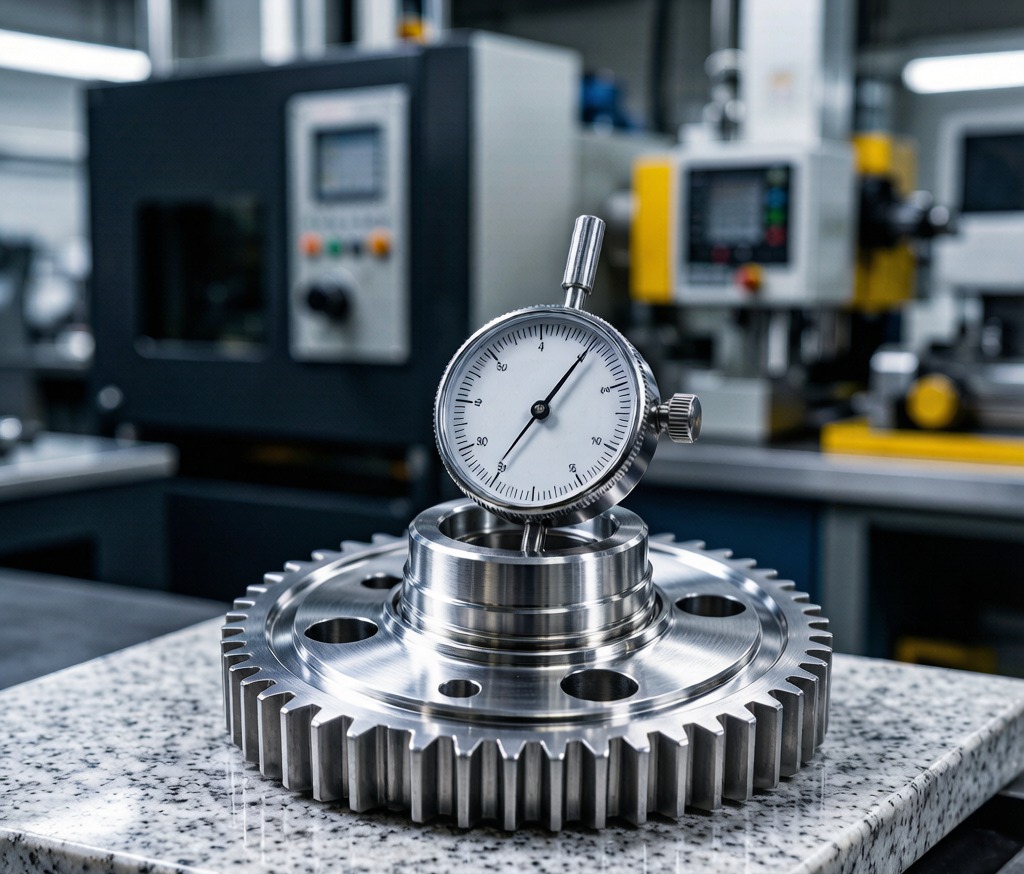
Precision machining services remove material to create metal parts with tight tolerances, excellent surface finish, and repeatable quality. When a component must fit, seal, or locate within microns, CNC machining is the process buyers trust. This guide explains the machine configurations, the tolerance language, and how to brief a shop so every part comes back […]
CNC Machining Tolerances Guide: How Tight Is Realistic?

CNC Machining Tolerances Guide: How Tight Is Realistic? CNC machining tolerances decide whether a part fits, seals, and performs—and how much it costs. Specifying ±0.005 mm everywhere feels safe but quietly multiplies price and scrap. This guide explains what tolerances are actually achievable by process, how GD&T helps you call out only what matters, and […]
GD&T for Machined Parts: Tolerances That Actually Matter
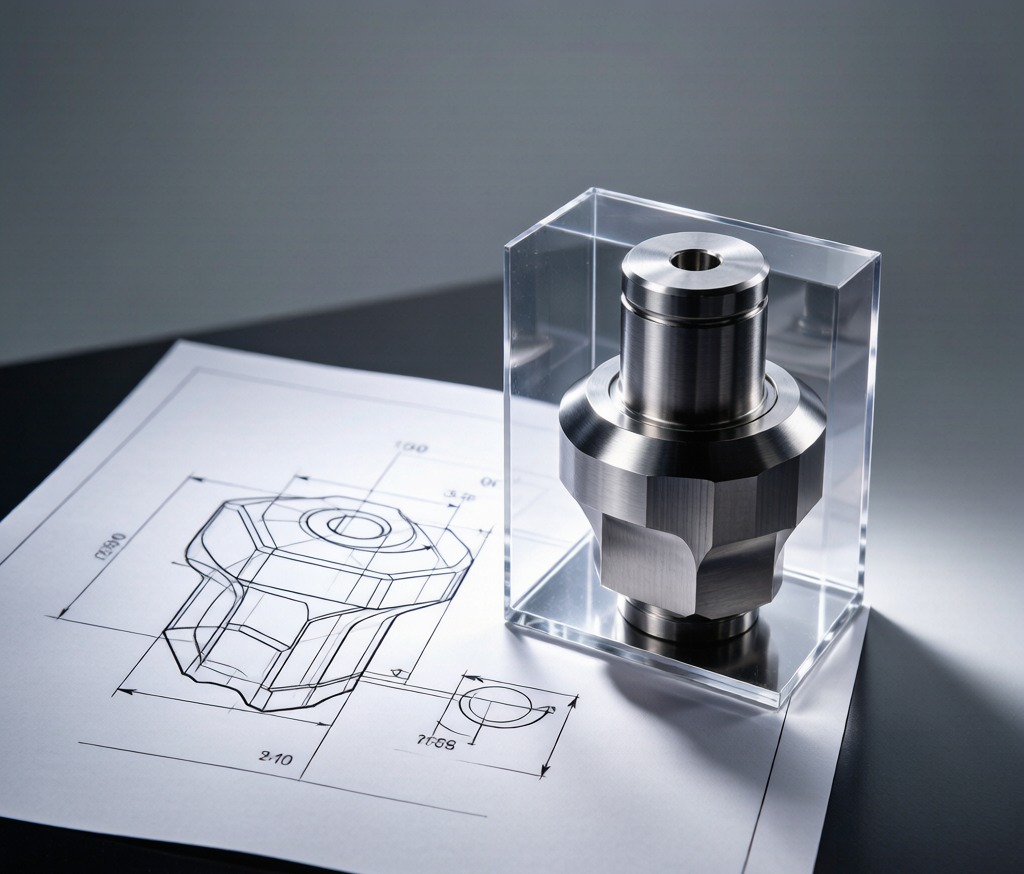
GD&T for Machined Parts: Tolerances That Actually Matter Every machined part has tolerances, but not all tolerances are created equal. GD&T for machined parts—Geometric Dimensioning and Tolerancing—is the engineering language that tells a machine shop exactly what matters and what does not. Used well, it yields parts that assemble first try and cost less to […]

