
TIG Welding Services: Precise, Clean Welds
TIG welding (GTAW) uses a non-consumable tungsten electrode and a separate filler to lay precise, clean welds with no spatter—the choice for thin, exotic, and appearance-critical joints. For aerospace, medical, and fine fabrication, it sets the quality bar. This guide covers how it works, when to choose it, the materials, and how to spec your job.

How TIG Welding Works
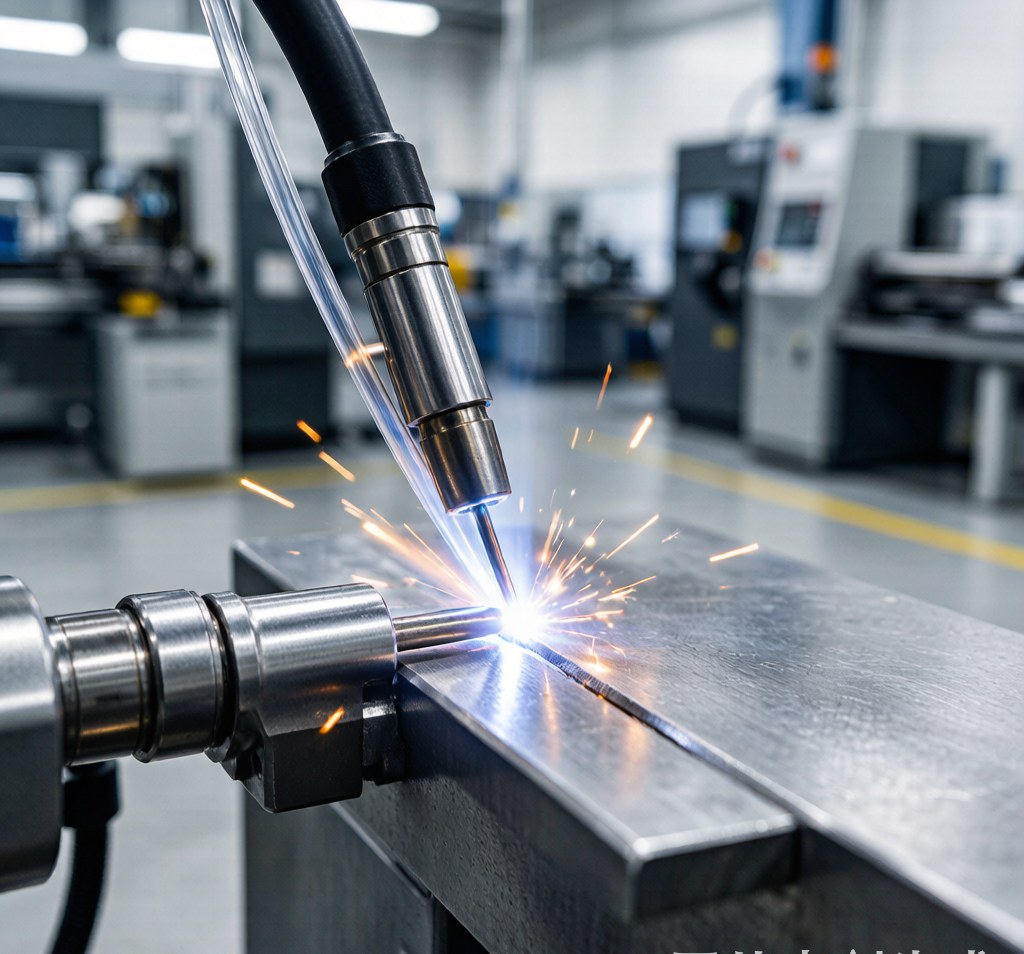
A tungsten electrode strikes an arc in inert gas while the welder feeds filler by hand for total control; the result is a clean, precise bead. We finish welded parts by machining and polishing when appearance matters.
TIG vs. MIG Welding
Versus MIG, TIG is slower but delivers spatter-free, high-purity welds on thin and exotic metals. Choose TIG for cosmetics and critical alloys.
Materials We TIG-Weld
- Stainless and thin steel—clean, strong joints.
- Aluminum and titanium—exotic and lightweight.
- Appearance-critical parts—no spatter to clean.
Industries That Rely on TIG Welding
Aerospace, medical devices, food equipment, and fine fabrication all demand TIG quality.
How to Spec Your TIG Welding Job
- State the material and thickness.
- Define the joint and filler (e.g. 316L, Ti).
- Set the cosmetic standard (ASME, food, decorative).
- Provide weld symbols and sizes.
- Note inspection (visual, dye, X-ray).
- Share volume for fixturing.
FAQ
Is it spatter-free?
Yes—TIG leaves a clean bead with no spatter.
Can it weld titanium?
Yes, under strict gas shielding.
When pick TIG over MIG?
Thin, exotic, or appearance-critical joints.
Why Choose Huaxiao for TIG Welding
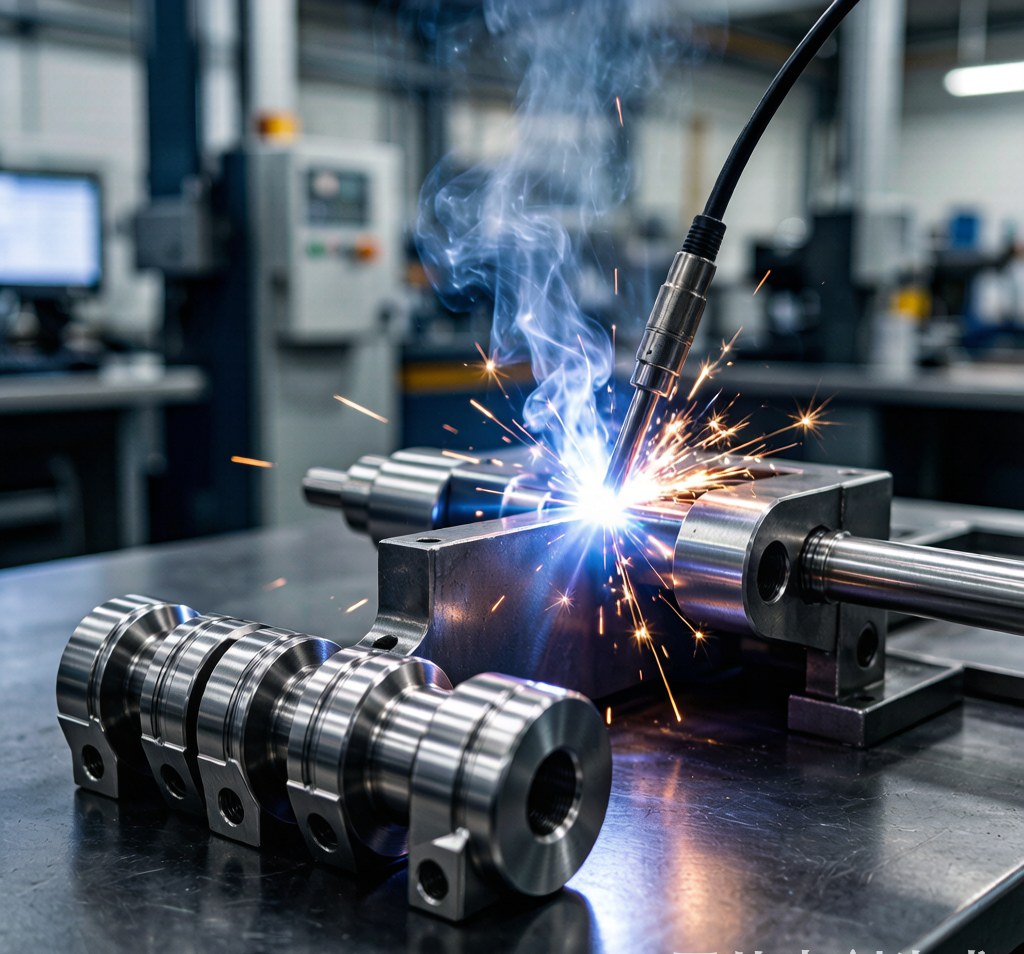
Our TIG welding service delivers precise, clean welds with integrated finishing. Send your drawing for a quote covering weld through finish.

