
430 stainless steel is the most widely used ferritic grade, and 430 stainless steel machining is a steady workhorse for decorative trim, appliance hardware, and mildly heat-exposed components. It offers good corrosion resistance, excellent formability, and a clean brushed look at a lower cost than 304. In this guide we explain how ferritic 430 behaves on the machine, how to avoid work hardening, and where it beats the austenitic grades. For the bigger picture, see our stainless steel machining overview and the material selection guide.
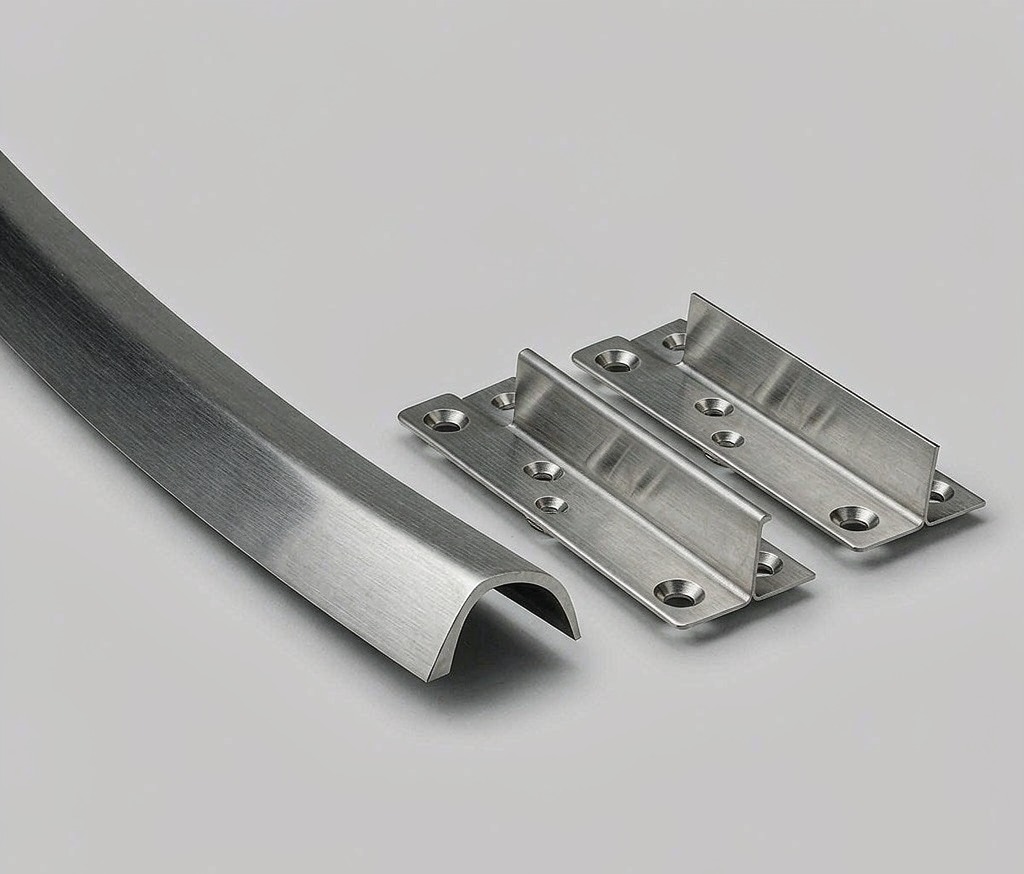
What Is 430 Stainless Steel
430 is a ferritic stainless with about 16–18% chromium and essentially no nickel, which keeps the price down and the magnetic response up. It resists oxidation and many mild corrosive environments, though not as aggressively as 304. Because it is ferritic, it cannot be hardened by heat treatment, but it is stable, formable, and easy to finish. Architects and appliance engineers like it for visible brushed surfaces that must stay corrosion-resistant indoors.
Ferritic vs Austenitic Behavior
Unlike 304, 430 does not transform to austenite, so it will not work-harden the way austenitic grades do. That is good news for machining, but it also means 430 can gall if fed too lightly. Our 304 machining guide highlights the contrast; 430 is generally gentler on tooling and easier to hold to size. The trade-off is lower toughness and poorer low-temperature impact strength, so it is not for cryogenic or high-impact roles.
Machining 430 Without Work Hardening
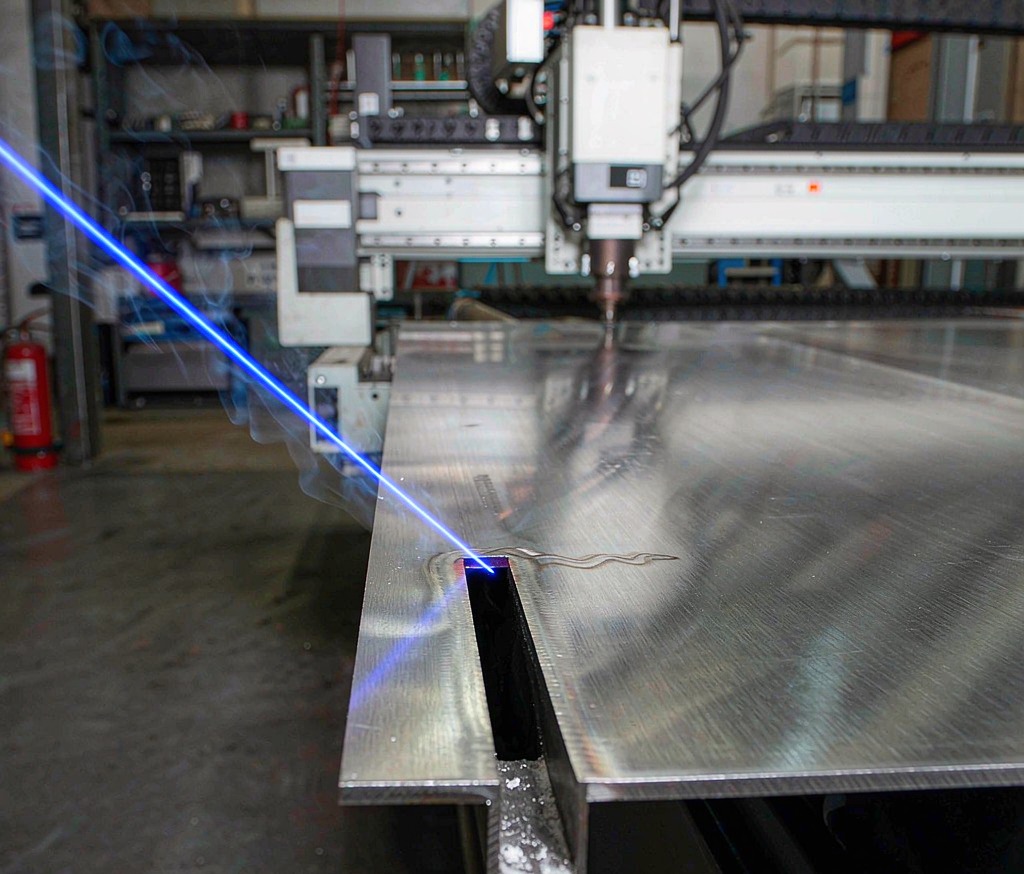
Because 430 does not work-harden much, you can machine it at healthy speeds with sharp carbide. CNC milling produces clean flats and cut edges, while CNC turning handles round trim and fasteners. The key is steady feed and adequate coolant so the part does not drag or gall on the tool. CNC punching and laser cutting are also common for thin 430 sheet used in appliances and automotive trim.
Cutting, Forming, and Finishing
430 takes a beautiful brushed or mirror finish, which is why it dominates decorative applications. Sheet metal laser cutting delivers burr-free profiles, and light passivation or a clear coat preserves the look outdoors. Forming is straightforward because the grade is ductile at room temperature; just mind the lower ductility versus 304 on tight radii.
Typical Applications
You will find 430 in automotive trim, washing-machine drums, cookware, and heat-exposed parts such as furnace baffles and range components. Its combination of appearance, corrosion resistance, and cost makes it a default for consumer-facing metal. Our metal surface treatment guide covers the finishes that keep 430 looking new.
430 vs 304 and 316
304 and 316 resist corrosion better and weld more easily, but cost more and are non-magnetic. When appearance and indoor corrosion resistance are the priorities and welding is minimal, 430 is the economical choice. Step up to 304 only when the environment is wet or chlorides are present.
Design Notes
Keep bend radii generous, avoid weld joints unless necessary, and specify the surface finish you want on the drawing. For visible parts, call out brushing direction so every component matches in assembly.
Lead Times and Volume Pricing
430 is efficient to machine and form, so lead times are short and tooling cost is low. Sheet and bar are widely stocked, which means prototypes can ship in days and production scales quickly. Volume pricing improves with batch size because punch, laser, and anodize setups amortize across the run. For trimmed or appliance programs, forecasting annual volume helps us hold pricing and reserve finishing capacity so your schedule is not gated by a coating queue.
Quality and Inspection
Visible parts need visible quality. We check cut edges for burrs, verify brushed or anodized finish against an approved sample, and confirm dimensions on first-article inspection. For formed trim, springback is measured and the tooling adjusted before the full run. Because 430 is decorative as well as functional, a signed finish standard up front avoids subjective disputes at receipt and keeps the assembly looking consistent.
Finishing Options for 430
430 lives or dies by its appearance, so the finish spec matters as much as the dimensions. Brushed (No. 4) is the classic architectural look and is easy to reproduce in volume; mirror (No. 8) is stunning but costs more and shows every handling mark. For corrosion protection outdoors, a clear lacquer or powder coat over the brushed surface is common, while passivation quietly improves the underlying resistance. If the part is formed after cutting, specify the finish direction and call out any area that must stay unmarked for a gasket or label. Tell us the environment—indoor, kitchen, coastal—so we can recommend the lightest finish that still meets the job. A well-written finish spec prevents the most common 430 rejection: looking right in the sample and wrong in the batch.
430 in Automotive and Appliances
430 is the quiet workhorse behind countless consumer products. Automotive trim, window surrounds, and washer and refrigerator panels rely on its brushed appearance and corrosion resistance at a sensible cost. In cookware it forms pots and lids that look premium and clean easily. The grade’s formability lets stamping and deep drawing run at high speed, keeping unit cost low for mass production. The one watch-out is weld discoloration and grain growth if joined, so designers either avoid welds or hide them. For any visible indoor or lightly wet part, 430 is the economical stainless that still reads as quality, which is why specifiers return to it across model years.
Frequently Asked Questions
Is 430 stainless magnetic?
Yes, 430 is ferritic and magnetic, which distinguishes it from the non-magnetic 304 and 316 austenitic grades.
Can 430 be welded?
It can be welded with care, but it is prone to grain growth and reduced toughness in the heat-affected zone. For structural welds, 304 is preferred.
Does 430 rust?
430 resists rust better than carbon steel and most aluminized finishes, but in chloride-rich or marine environments it can stain. Passivation and proper finishing help.
430 stainless steel delivers the look and corrosion resistance buyers expect from stainless at a fraction of the 300-series cost. Send us your trim or appliance-part drawing and we will quote the fastest machining and finishing path.
Ready to Start Your Project?
Get a build-ready quote on your custom metal parts within 24 hours. Share your drawing and our engineers will respond with process, lead time, and pricing.

