
The last operation often decides whether a part survives in the field. A metal finishing choice protects against corrosion, cuts wear, or simply makes a product look right. With so many options—anodizing, powder coating, plating, PVD—this guide compares them on what they actually deliver so you can pick the finish that matches your environment and budget, and avoid rework from a finish that fights your base metal or assembly.
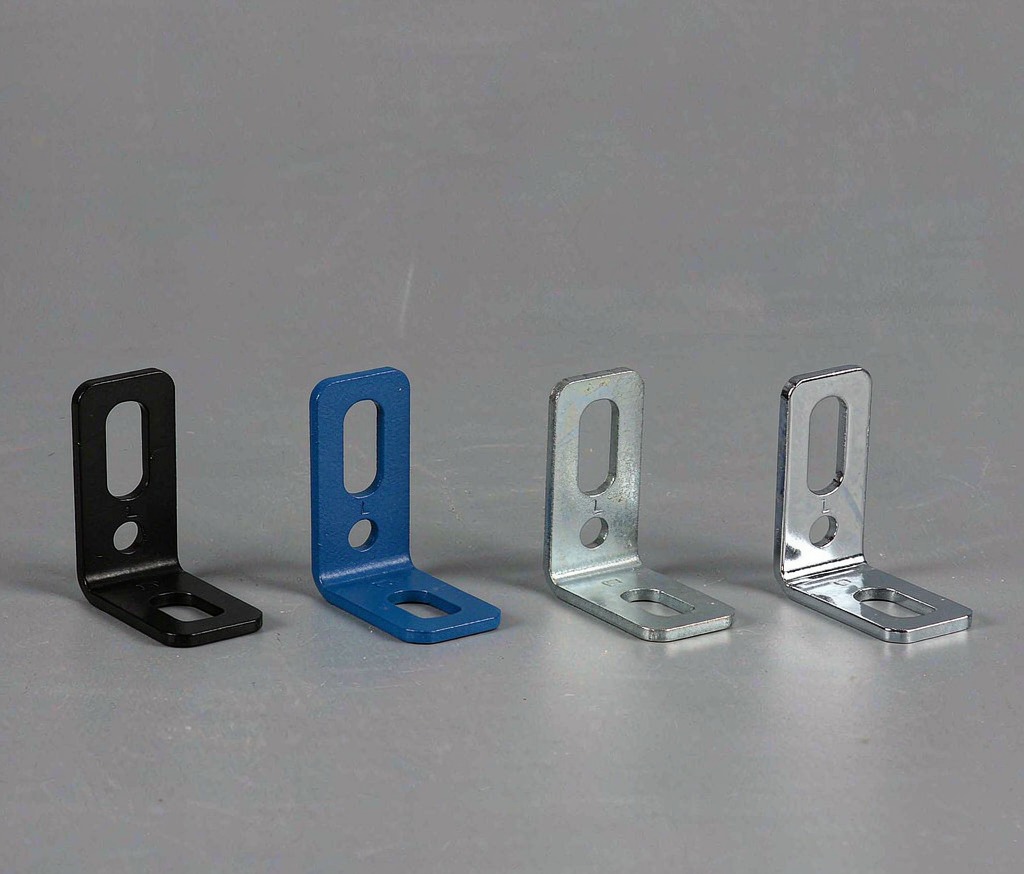
What Finishing Achieves
Finishes add a surface layer or convert the surface to change corrosion resistance, hardness, friction, electrical behavior, or appearance. The right one extends service life and can remove the need for thicker, heavier base metal—you plate a thin steel part instead of making it from stainless. A finish also carries function beyond looks: conductivity for grounds, insulation for isolation, low friction for sliding, and a cleanable surface for food or medical. Our metal finishing services page lists what a single shop can apply, which matters when you want one quality system across operations.
Anodizing
Anodizing grows a controlled oxide on aluminum (and some titanium/magnesium). Type II is decorative and corrosion-resistant; Type III (hard coat) is thick and wear-resistant, with a surface that rivals some steels for abrasion. It is electrically insulating unless masked, and it can be dyed any color or left natural. When deciding between options, our anodizing vs powder coating piece is the starting point, because these two are the most common choices for aluminum enclosures and frames.
Powder Coating
Powder coating sprays electrostatically charged resin that is cured into a tough, uniform film. It beats liquid paint on chip resistance and coverage, works on steel and aluminum, and offers thick films in any color with good UV stability. It is the default for enclosures, racks, and frames exposed to handling and weather. The downside is thickness—hundreds of microns—which can close tight tolerances and hide threads unless they are masked, so design for the film build rather than against it.
Electroplating
Zinc plating and nickel plating deposit metal to protect or functionalize. Zinc is a cheap sacrificial coat for steel that corrodes first; nickel and chrome add hardness, solderability, or a bright look, with chrome also delivering low friction and easy cleaning. Our anodizing vs electroplating guide contrasts the two families directly, since both protect aluminum but behave very differently on edges and in salt spray.
Aesthetics are a legitimate technical requirement, not a cosmetic afterthought. Consumer and medical products are judged by look and feel, and a consistent color or sheen across a family builds trust. Specify a color standard and a sample master, and confirm batch-to-batch consistency in the PO, because dye lots and cure variation drift. A capable finishing supplier will lock the process so a part made today matches one made in six months.
PVD and Thin-Film Coatings
PVD coating lays down ultra-hard, thin films (TiN, CrN, DLC) for tooling and wear parts where microns matter. It is precise and environmentally cleaner than old plating but pricier per part and limited to line-of-sight surfaces. For a wider look at surface options, see our surface treatment overview, which also covers passivation, black oxide, and conversion coatings you may need for stainless or fasteners.
Choosing by Environment
Indoor dry use: powder or paint. Outdoor or washdown: anodize (aluminum) or zinc plate plus topcoat (steel). High wear or friction: hard anodize, nickel, or PVD. Food or medical: passivation and electropolish on stainless, never a flake-prone coat. Match the failure mode—rust, galling, abrasion, or chemical attack—to the coating that fights it, and remember that a finish that looks right in the lab can fail in a salt-fog chamber if the base prep was poor.
Cost and Lead Time
Zinc plate and anodize are fast and cheap; powder coat adds cure time; PVD and specialty plating cost more and queue longer. Designing for one finish across a product family simplifies logistics and cuts price, and sequencing matters—mask threads before anodize, plate before assembly, and avoid mixing finishes that must never touch (dissimilar metals can galvanically corrode).
Testing and Specification Tips
Do not just name a finish—specify the standard so results are comparable: ASTM B117 salt-spray hours for corrosion, Mil-Spec or ISO for anodize thickness, and a gloss or color reference for cosmetic coats. Ask for a coupon or first-article finish sample before a full run, because prep quality drives 80% of finish life and a bad etch will fail long before the coating itself wears out. Our anodizing vs powder coating and anodizing vs electroplating guides include the typical test thresholds buyers should write into the PO.
For assemblies, decide masking up front: threads, press fits, and grounding points often must stay bare, and a finish that closes a 0.1 mm clearance will seize a bearing. Sequence finishing after any heat treatment or welding, since those steps can discolor or stress the surface. A single finishing supplier running anodize, plate, and coat under one roof simplifies this sequencing and keeps responsibility in one place.
Frequently Asked Questions
Anodize or powder coat aluminum? Anodize for thin, hard, conductive-masked finishes; powder for thick color and chip resistance.
Is plating better than coating? Plating adds real metal (conductive, solderable); coatings are usually non-metallic films.
What resists wear best? Hard anodize, nickel, or PVD depending on load and base metal.
Can I plate and anodize? Not on the same aluminum surface; choose one, or mask selectively.
Which finish is cheapest? Zinc plating for steel and Type II anodize for aluminum lead on cost.
Ready to Start Your Project?
Get a build-ready quote on your custom metal parts within 24 hours. Share your drawing and our engineers will respond with process, lead time, and pricing.

