
410 stainless steel is the original hardenable martensitic grade, and 410 stainless steel machining remains a staple for cutlery, valves, and industrial hardware that must resist both wear and corrosion. It machines well in the annealed condition and then hardens for strength, making it the right call when a part sees friction and occasional moisture. In this guide we cover the hardening workflow, machining strategy, and finishing details that turn 410 stock into durable components. See our stainless steel machining overview for the full grade landscape.
What Is 410 Stainless Steel
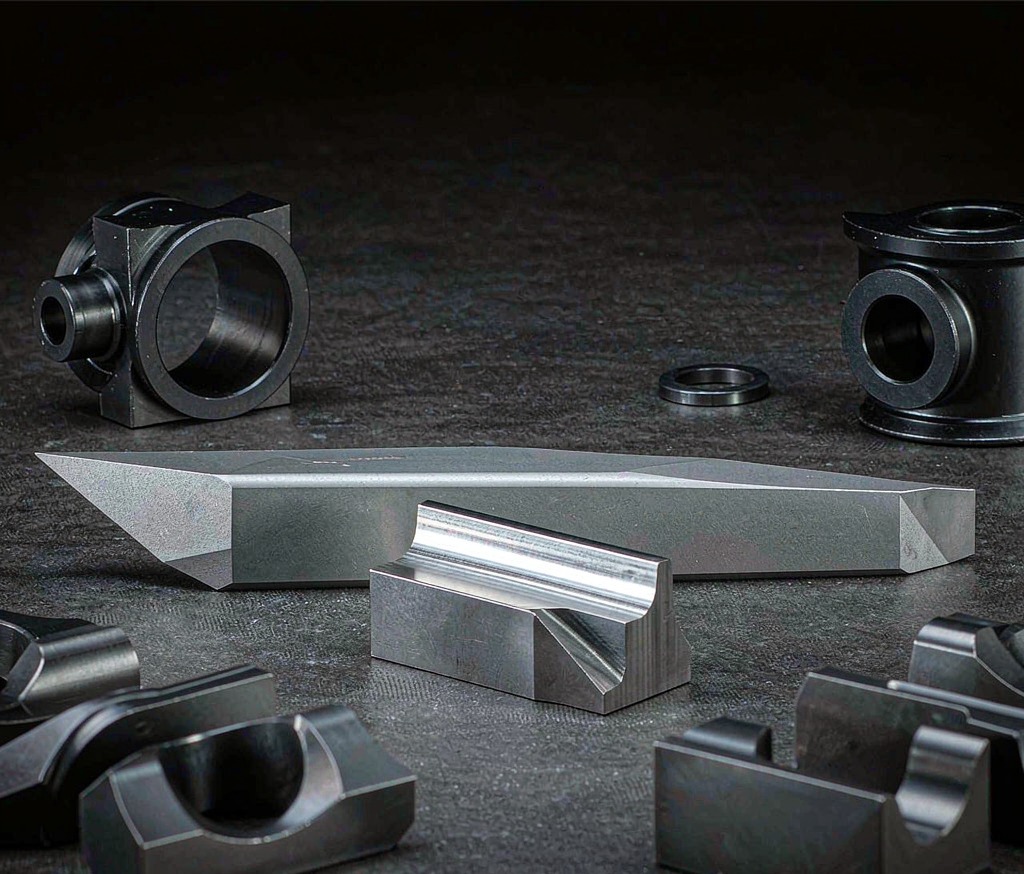
410 contains around 11.5–13.5% chromium with low carbon, giving it moderate corrosion resistance and the ability to harden by heat treatment. In the annealed state it machines much like a low-alloy steel; after hardening it becomes a tough, wear-resistant component. It is magnetic and is the grade behind countless knife blades, valve parts, and pump components. When you need “stainless that holds an edge or a seat,” 410 is usually the answer.
Hardening and Heat Treatment
410 is typically machined annealed, then austenitized, oil quenched, and tempered to a target hardness—often 28–42 HRC depending on the balance of toughness and wear resistance. Heat treatment is essential to unlock its properties, but it introduces dimensional movement that must be planned around. Engineering the harden-and-finish sequence up front is the key to a part that meets spec on the first run.
Machining Annealed vs Hardened
Annealed 410 turns and mills predictably with coated carbide; CNC milling and CNC turning remove most of the stock before hardening. Once hardened, the part is finished by grinding rather than cutting. Our 420 guide covers an even harder cousin, while 410 is the more machinable, tougher baseline for most hardware.
Surface Finish and Passivation
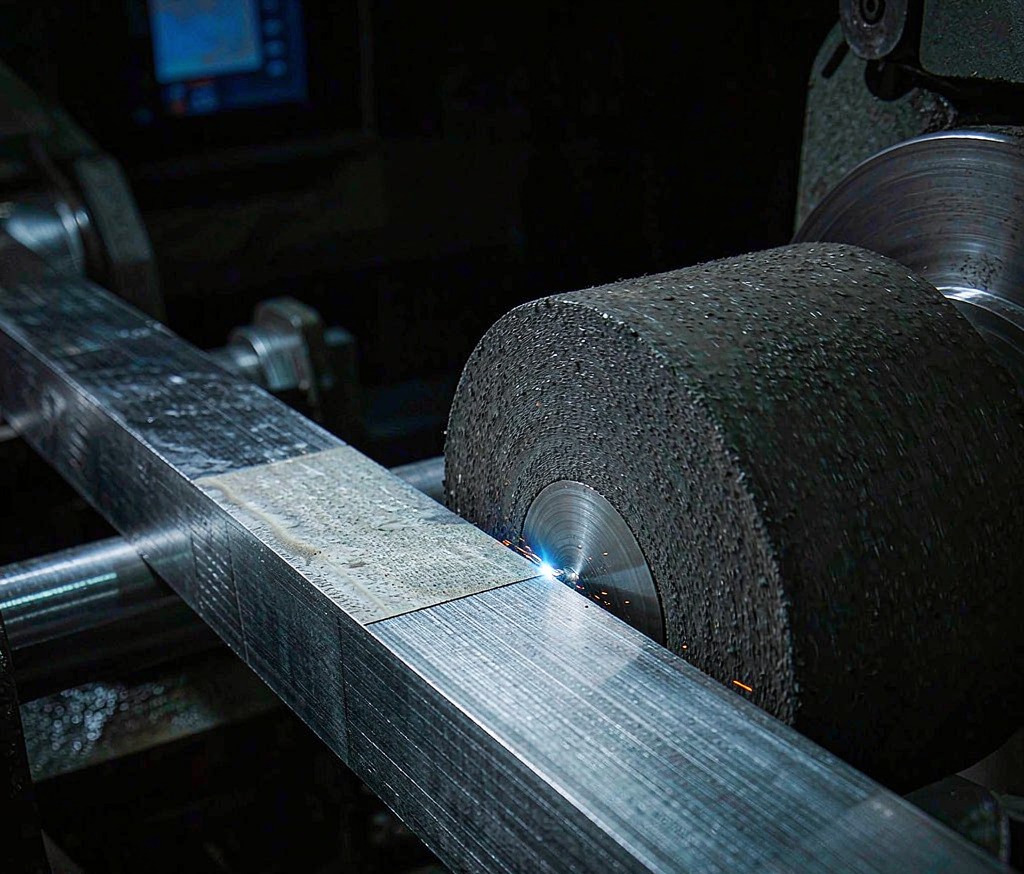
After grinding, a passivation treatment restores the chrome-rich layer and improves corrosion performance without changing dimensions. Surface grinding delivers the flat, low-friction faces that valve seats and blade edges require. For a brighter, more hygienic look, electropolishing can follow passivation on consumer-facing parts.
Common Applications
410 is everywhere in cutlery, surgical and dental instruments, valve trim, pump shafts, and fasteners exposed to mild corrosion. Its hardness after treatment makes it ideal for parts that slide, seal, or cut. Our heat treatment services page explains how we control the temper to your exact hardness window.
410 vs 416 and 420
416 machines easier thanks to added sulfur but is slightly less corrosion resistant; 420 has more carbon and reaches higher hardness but is harder to machine. 410 is the balanced choice for general hardened stainless hardware. Pick 416 when machinability dominates, 420 when maximum hardness is required.
Design Guidance
Reserve generous stock for post-hardening grinding, avoid thin sections that may warp, and specify threads or features that can be produced before heat treatment. A short DFM review prevents the usual 410 scrap drivers.
Quality and Inspection
Hardened 410 is verified with hardness testing, dimensional gauging after grinding, and thread checks with go/no-go gauges. Cracks from heat treatment are screened visually and, on critical parts, by dye penetrant. We qualify the process on a first article before releasing the balance, which is the only reliable way to manage distortion from hardening and to guarantee that the hardened geometry still fits its mating part.
Lead Time Planning
The heat-treat queue—not the machining—usually sets the lead time for 410. Prototypes can ship within days if hardening is available; production runs improve when heat-treat cycles are batched. Communicating target hardness and annual volume early lets us reserve furnace capacity and quote a dependable schedule instead of a hopeful one.
When to Choose 410
Choose 410 when a part must be both stainless and hard: knife blades, valve trim, pump shafts, and wear-exposed fasteners. If welding dominates the design, step up to 304; if you need maximum hardness, consider 420. For most hardened stainless hardware, 410 is the balanced, proven default that engineers return to again and again.
Designing 410 for Heat Treat
Because 410 is machined soft and then hardened, the drawing must anticipate movement. Leave stock on diameters and faces that get ground after hardening, and avoid features that must be cut to final size in the hard state unless grinding is planned. Thin walls and long slender shapes warp most, so add relief or support where you can, and keep section changes gradual to reduce quench distortion. Specify the target hardness and the surfaces that must hold tight tolerance so we can plan grind allowance accordingly. If threads or holes are cut before heat treat, expect minor size change and plan the sequence. Designing 410 around the harden-and-grind reality—rather than treating it like a stable alloy—is the difference between a smooth run and a scrap one.
410 in Cutlery and Valves
Cutlery is the classic 410 application: the blade is machined or blanked soft, hardened for a lasting edge, and then finished. The same logic serves valve trim and pump parts that must resist wear while staying stainless. Because 410 can be hardened to a useful range, a single grade covers knife blades, surgical instruments, and industrial hardware. The trade-off versus 420 is slightly lower maximum hardness, but 410 is easier to machine and tougher in service. When a part sees friction, occasional moisture, and the need for an edge or a seat, 410 is the proven default. Our heat treatment process is built around delivering the exact hardness your print calls for.
Frequently Asked Questions
What hardness can 410 reach?
Properly heat treated, 410 typically reaches 28–42 HRC, tunable by tempering to balance toughness and wear resistance.
Is 410 stainless magnetic?
Yes, 410 is martensitic and magnetic in both annealed and hardened conditions.
How corrosion resistant is 410?
It resists atmospheric and mild aqueous corrosion well, though not as aggressively as 304 or 316. Passivation improves performance significantly.
410 stainless steel combines machinability before hardening with toughness and wear resistance after, which is why it powers so much cutlery and valve hardware. Send us your drawing and we will plan the machine-and-heat-treat route to spec.
Ready to Start Your Project?
Get a build-ready quote on your custom metal parts within 24 hours. Share your drawing and our engineers will respond with process, lead time, and pricing.

