
Sheet metal parts are the backbone of enclosures, brackets, panels, and structural skins across nearly every industry. From a single prototype to runs of ten thousand, forming flat stock into accurate three-dimensional components is where good design meets efficient manufacturing. Huaxiao Parts takes your DXF or STEP file from blank to finished part using laser cutting, bending, and finishing under one roof, which keeps lead time short and quality consistent. This article explains the methods, materials, and design rules that decide whether your part is cheap to make and easy to assemble.
What Are Sheet Metal Parts?
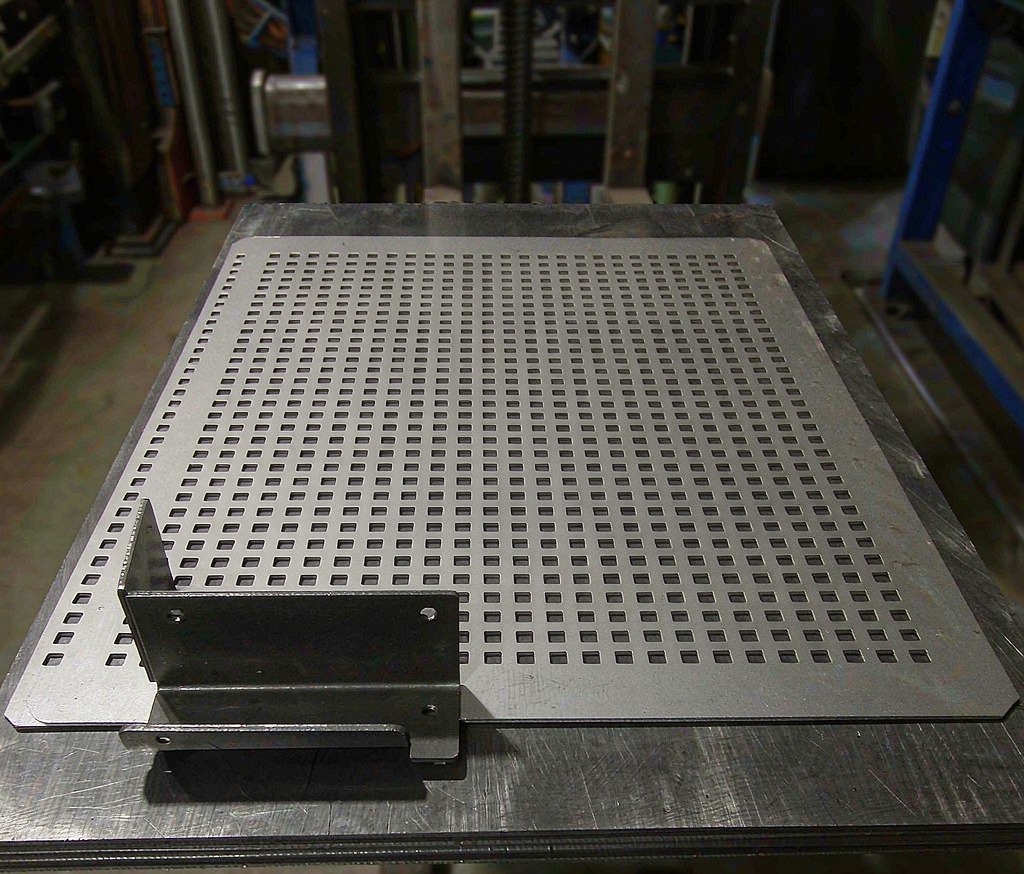
Sheet metal parts are components cut and formed from coil or plate typically 0.5 to 6 mm thick. They combine low weight with high stiffness and are simple to finish and assemble, which is why they appear in everything from server racks to agricultural machinery. Common outputs include electrical enclosures, mounting plates, heat shields, and chassis that protect or locate other components. Because the raw material is uniform and inexpensive, sheet parts scale beautifully from prototype to high volume once the program and fixtures are set. The engineering skill lies in bending flat stock into a shape that holds tolerance after springs back and welding.
Key Fabrication Methods
We begin with fiber laser cutting for crisp, dross-free profiles that need almost no cleanup, then form flanges and tabs with CNC bending on high-tonnage press brakes programmed from your model. Holes and cutouts are added by CNC punching when volumes justify the tooling investment and cycle time matters. After forming, edges are deburred and, where the environment demands it, powder coating or galvanizing is applied for corrosion protection before parts are riveted or welded into final assemblies. Choosing the right sequence avoids re-handling and keeps the part clean through every stage of production.
Material Selection
Mild steel is economical and welds easily, stainless resists corrosion without coating, and aluminum is light and conducts heat well for enclosures and heatsinks. Galvanized and pre-painted stock can speed finishing but complicate welding, so we plan joints around the coating. Gauge choice is a balance: thicker stock is stiffer and easier to handle but costs more and weighs down the product. We help you pick the thinnest section that still meets load and stiffness so you are not paying for unused material.
Design for Manufacturability
Generous bend radii, consistent corner reliefs, and symmetric hole patterns cut scrap and setup time dramatically. Features placed too close to a bend will distort, and slots narrower than the material thickness are hard to punch cleanly, so early review typically saves more than the raw material cost on a production run. We return DFM notes with every quote, flagging tight radii, weld access, and finish masking before any metal is cut. Designing with the process in mind is the single biggest lever on unit price.
Finishing and Coating
Powder coat gives a durable, even color layer that resists chips and chemicals, while galvanizing suits outdoor steel that must survive weather for decades. We mask and plug threads so finishing never ruins fit, and we can silk-screen labels or logos for branding directly on the part. For food or medical use we offer passivation and electropolish on stainless to meet hygiene rules. The finish is selected alongside the material, not as an afterthought, because some coatings demand specific pretreatments.
Industries Served
Our metal stamping capability and automotive programs feed equipment builders, while welded assemblies shows how sheet meets structure in finished products. Beyond transport, we serve electronics enclosures, industrial controls, and renewable energy mounts where flat stock must become rigid, protective housings. The breadth of uses comes from one fact: almost every product needs a box, a bracket, or a panel.
Common Defects and How We Prevent Them
The defects that hurt sheet metal are burrs, bow, and weld distortion, all of which we design out rather than inspect out. Clean laser cutting avoids burrs at the source, balanced bend sequences prevent bow, and fixtures control distortion during assembly. We also watch grain direction on brushed finishes so panels match across a cabinet, and we mask threads before coating so hardware still fits. Catching these in the program, not on the line, is what keeps reject rates low and your assembly running smoothly.
When you brief a fabricator, share the assembly context, not just the flat pattern, because how a part meets its neighbors decides details like relieved corners and access for fasteners. We treat bending and finishing as part of one plan so the delivered part drops in without rework, and we keep digital records of every program so re-orders are identical months later. That continuity is why buyers come back: the second batch matches the first, and the print in our system is the print on your line.
Frequently Asked Questions
What is the minimum order quantity?
We run prototypes from a single piece and scale to full production using the same fixtures and programs so the part never changes between stages.
Which file formats do you accept?
DWG, DXF, STEP, and IGES are all fine; we can also reverse-engineer from a physical sample if drawings are missing.
How tight are bend tolerances?
Typical angular tolerance is ±1 degree with documented first-article inspection on every press setup and brake program.
Ready to Start Your Project?
Get a build-ready quote on your custom metal parts within 24 hours. Share your drawing and our engineers will respond with process, lead time, and pricing.

