
A gear is only as good as its tooth surface. After cutting, gear grinding services finish the teeth by abrasion to hold tight accuracy, run quietly, and carry load on a hardened surface. It is the step that turns a hobbed blank into a gear that meets AGMA grade and survives millions of cycles.
This guide explains what gear grinding adds after hobbing or shaping, the main methods, which materials and hardness levels suit it, and how to specify grind tolerances. If you buy precision gears for transmissions, servos, or power tools, this is the finishing know-how you need.
What Gear Grinding Adds
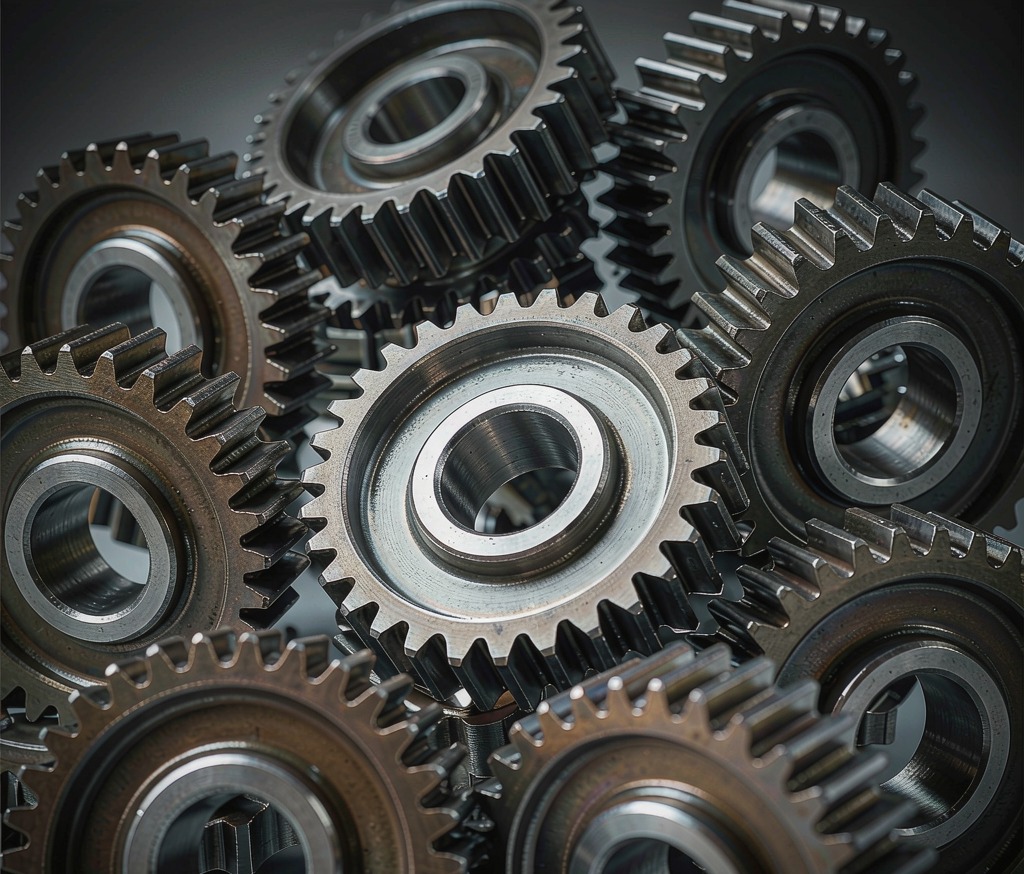
Cutting leaves a soft, roughly shaped tooth; grinding refines it after heat treatment on a hardened blank. Because the gear is already hard, grinding – not cutting – is what sets the final profile, lead, and surface finish. The payoff is accuracy, low noise, and a wear-resistant flank.
It is the finishing stage of the gear hobbing and gear shaping workflow, and it depends on a sound heat treat first. A warped blank after heat treatment is harder to grind back to true, so process order matters.
Grinding vs Cutting the Gear
Hobbing and shaping form the tooth quickly on soft stock; grinding perfects it slowly on hard stock. You cannot simply grind from a blank cheaply, and you cannot reach high grades by cutting alone on hardened steel. The two steps are complementary, not alternatives.
Where a gear is large or soft, CNC milling may rough it; where it is small and hard, precision machining sets the bore before grinding. The blank’s accuracy decides how much stock the grinder must remove.
Methods: Profile and Generation
Profile grinding uses a dressed wheel that matches the tooth form, good for prototypes and low counts. Generation grinding rolls the wheel against the gear like a mating rack, ideal for volume and consistent lead. Both need dressed, dressed wheels and careful machine thermal control to hold grade.
The same machines that hold flat grinding tolerances are used, but gear grinders add the indexing and dress control a tooth needs. Wheel selection and dress frequency are the main levers on flank quality.
Materials and Hardness
Case-hardened steels (carburized or nitrided) are the norm for power gears; through-hardened and stainless appear where corrosion or simplicity rules. The gear must be hard enough to benefit from grinding yet stable enough not to distort. Hardness also sets wheel choice and cycle time.
Hardness is set by heat treatment and checked before grind, while cylindrical grinding handles the bore and honing can refine it further. A stable hardness band is what lets the grinder hold the grade repeatably.
Tolerances and AGMA Grade
Grinding reaches fine AGMA grades (e.g. 10-12 and better) for profile, helix, and pitch, with low tooth-to-tooth error for quiet running. Surface finish on the flank reduces noise and scuffing. Specifying the grade and the critical flanks up front lets the shop set wheel and dress strategy.
Bore and OD grinding of the gear’s journal are planned with the tooth grind so the whole part is concentric. True running starts with a true bore, not just a true flank.
Where Gear Grinding Pays Off
Transmission, servo, power-tool, and pump gears that must be quiet and long-lived are the classic users. The case is strongest when noise, grade, or hardened life is specified. A ground gear also widens the design window because the cut blank can be left with more stock.
For very large or soft gears, surface grinding of faces may suffice, while CNC milling roughs the blank. Early grade targets keep the finishing cost proportionate to the need.
Quality Control and Inspection
Ground gears are checked on a gear checker for profile, helix, and pitch, plus hardness and bore runout. A test roll or noise check confirms quiet running where the spec demands it. Wheel dress and machine thermal state are logged so grade is repeatable across the batch.
Lead Time and How to Request a Quote
Provide the drawing with AGMA grade, material, hardness, and quantity. Hobbing or shaping is planned with the grind so the whole gear is one flow. Heat-treat lead sets the schedule, and volume decides whether profile or generation grinding is used.
Common Cost Drivers in Gear Grinding
Grade, hardness, and the amount of stock to remove drive cost more than the blank itself. A warped heat-treat blank needs more grind and risks grade. Stating the real AGMA need – not a generic maximum – prevents over-grinding and rework. Planning hob and grind together also avoids a second setup.
Frequently Asked Questions
Why grind a gear after cutting it?
Cutting shapes the soft blank; grinding perfects the hardened tooth for accuracy, quiet running, and wear life.
What accuracy can gear grinding reach?
Fine AGMA grades with low tooth-to-tooth error and smooth flanks for quiet operation.
Which materials are ground?
Case-hardened steels mainly, plus through-hardened and stainless where suited.
Is profile or generation grinding better?
Profile suits prototypes; generation suits volume and consistent lead.
Does the gear need heat treatment first?
Yes. Grinding finishes a hardened blank, so heat treatment precedes the grind.
How are ground gears inspected?
By gear checker for profile, helix, and pitch, plus hardness and bore checks.
Ready to Start Your Project?
Get a build-ready quote on your custom metal parts within 24 hours. Share your drawing and our engineers will respond with process, lead time, and pricing.

