
A chamfer is a small feature with outsized consequences. Chamfering services cut a angled edge onto a machined part to break a sharp corner, guide a fastener or pin into place, and seat a screw head or countersink cleanly. Done right, it protects operators, speeds assembly, and improves finish – done wrong, it leaves a burr or a mislocated hole.
This guide covers why chamfering matters, the manual, CNC, and robotic methods, how to call out angle and size, and how chamfering differs from deburring. If your drawings specify holes, bores, or edges, this is the detail that keeps parts assembling first time.
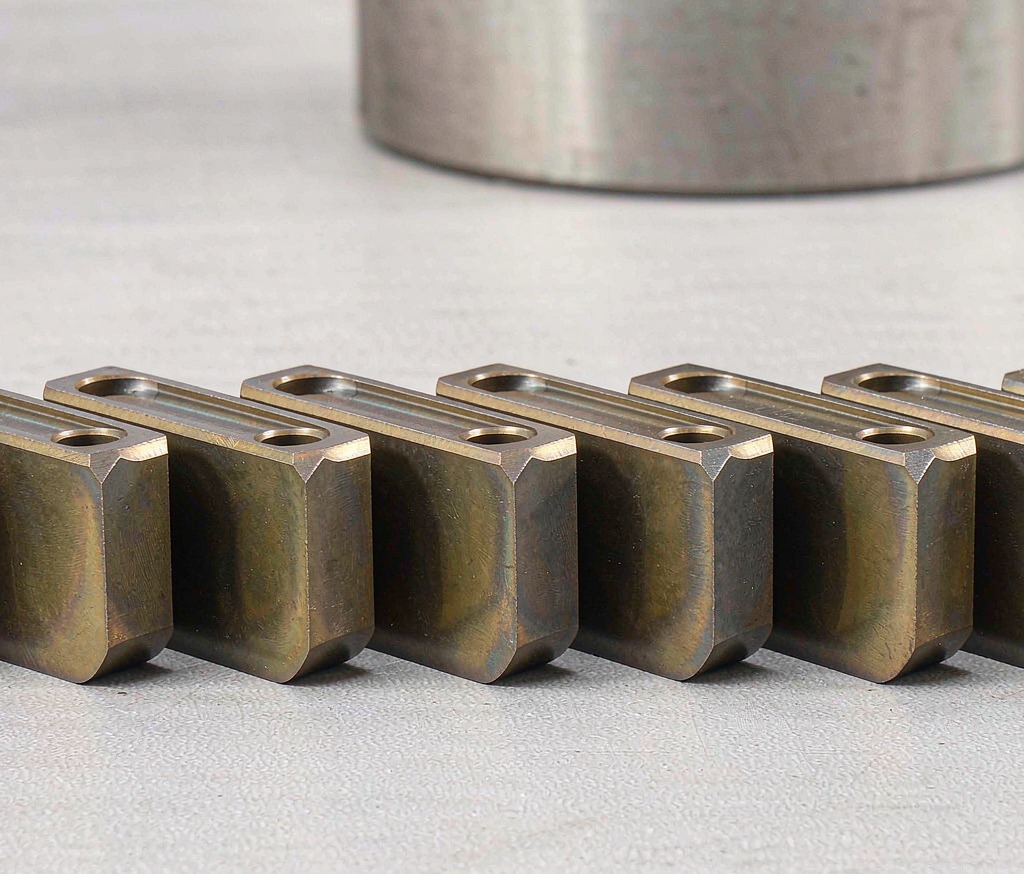
What Chamfering Does
A chamfer replaces a 90-degree corner with a short bevel. On an external edge it removes a sharp, injury-prone corner and a common starting point for cracks. On a hole it guides a bolt, drill, or pin and gives a screw head a clean seat. It is a deliberate feature, not just cleanup.
It is closely related to deburring but does more: a deburr only removes the burr, while a chamfer is a designed bevel. The same precision machining cell often does both in one setup.
Methods: Manual, CNC, and Robotic
Hand deburring tools and countersink bits handle prototypes and touch-ups. CNC milling and CNC turning cut consistent chamfers as part of the machining cycle, which is the norm for production. Robotic chamfering follows a taught path for large or awkward parts. The method tracks volume and access.
For holes, CNC drilling often combines the drill and chamfer in one tool, and boring adds a chamfer to a finished bore. Combining operations in one setup keeps the feature located to the hole.
Angles and Sizes
The common chamfer is 45 degrees, but 30 or 60 degrees appear where a screw standard calls for them, and the size is given as a width or a diameter change (e.g. 1 mm or 0.010 in). Countersinks are specified by angle and the screw they seat. Stating both angle and size removes guesswork at the machine.
Where a hole must be reamed after, the chamfer is usually cut first so the drilling and reaming sequence stays located. A consistent callout also lets the shop pick a combined drill-chamfer tool.
Chamfer vs Deburr
A deburr removes the raised edge left by cutting; a chamfer is a planned bevel that also deburrs. You specify a chamfer when the edge must look intentional and seat hardware; a deburr when you only need the burr gone. Mixing them up leads to missing or oversized features on the drawing.
For a thorough edge program, professional deburring handles the whole part while grinding sets critical flats. A clean edge policy prevents parts that cut operators or snag in assembly.
Drawing Callouts That Work
Call out the angle and the width (or diameter change), and note whether every edge or only specified ones get the chamfer. Marking ‘CHF’ with a size, or a countersink symbol with angle, tells the shop exactly what to cut. Ambiguous notes produce inconsistent edges across a batch.
Because the chamfer is often cut in the same CNC milling operation, giving a clear note keeps it located to the feature rather than added as an afterthought. A clear callout is cheaper than a rework loop.
Where Chamfering Pays Off
Any part with holes, bores, or handled edges benefits: brackets, shafts, plates, and housings all get safer, faster-assembly features. The payoff is small per part but large across a production run in fewer injuries, jams, and reject assemblies.
For high-volume holes, combining the turning chamfer with the cut keeps cycle time down, and a consistent edge improves the look of the finished machined part. Standardizing the callout also speeds quoting.
Quality Control and Inspection
Chamfers are checked by gauge or CMM for angle and size, and visually for consistency across the batch. Because they are usually cut in the same machining cycle, they are verified with the feature they belong to rather than separately. A consistent edge also protects operators and eases assembly.
Lead Time and How to Request a Quote
Provide the drawing with angle, size, and which edges get the chamfer, plus quantity. CNC milling or turning is quoted as one operation so the chamfer stays located to the hole. Volume decides whether a combined drill-chamfer tool is worth setting up.
Common Cost Drivers in Chamfering
Chamfering is cheap per part, but inconsistent callouts cause rework across a batch. Specifying angle and size clearly, and only where needed, keeps it a fast in-cycle feature rather than a separate manual step. Standardizing the note also speeds quoting and inspection.
Frequently Asked Questions
What is the difference between chamfering and deburring?
A deburr removes a burr; a chamfer is a designed bevel that also breaks the edge and seats hardware.
What chamfer angle is standard?
45 degrees is most common, with 30 or 60 degrees where a screw or standard calls for them.
Can chamfering be done in CNC machining?
Yes. Milling and turning cut consistent chamfers as part of the machining cycle, which is standard for production.
Should I chamfer every edge?
Only specify it where needed for safety, assembly, or appearance; over-chamfering adds cost.
How is a countersink specified?
By angle and the screw it seats, often as a countersink symbol on the drawing.
How are chamfers inspected?
By gauge or CMM for angle and size, and visually for consistency across the batch.
Ready to Start Your Project?
Get a build-ready quote on your custom metal parts within 24 hours. Share your drawing and our engineers will respond with process, lead time, and pricing.

