
Inconel X750 Machining: CNC Cutting a Precipitation-Hardened Superalloy
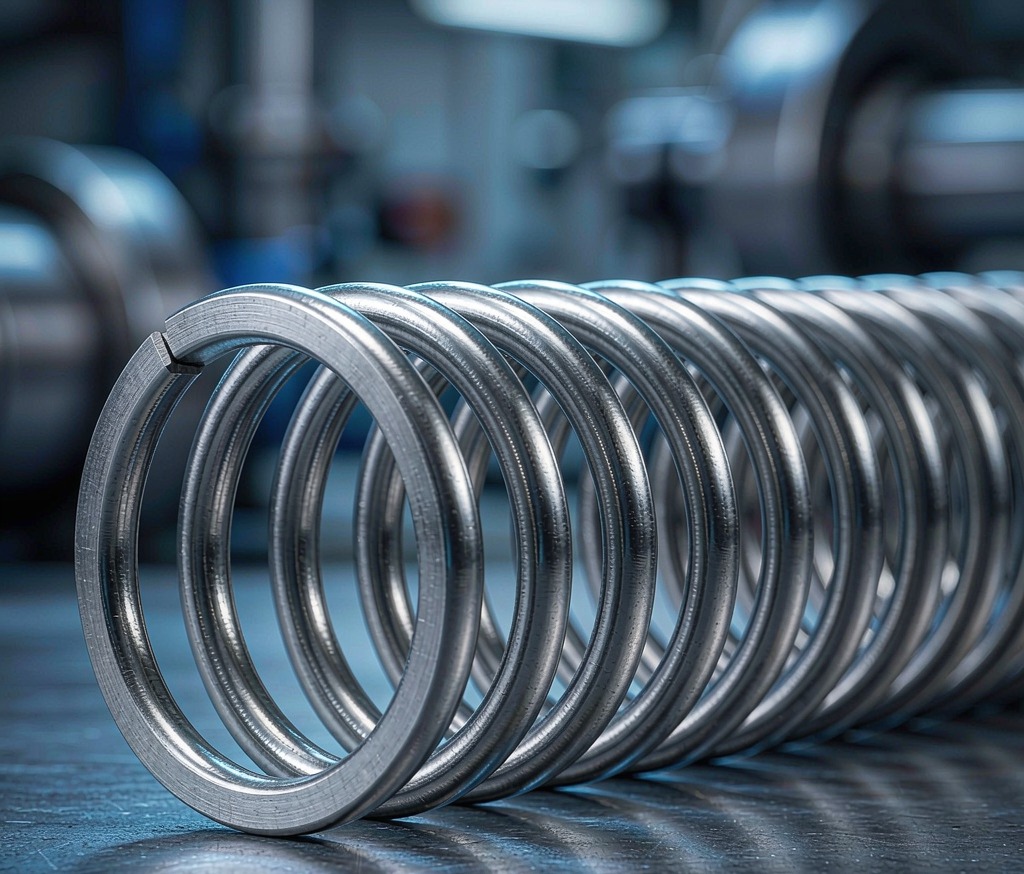
Inconel X750 machining deals with a precipitation-hardenable nickel-chromium superalloy best known for its use in springs, gas-turbine components, and high-temperature fixtures. It keeps useful strength from cryogenic temperatures up to about 700°C and resists relaxation and corrosion—ideal for springs that must not lose load. Like other nickel superalloys it is gummy, work-hardens, and demands controlled […]
Stellite Machining: Cutting Cobalt-Chromium Wear-Resistant Alloys
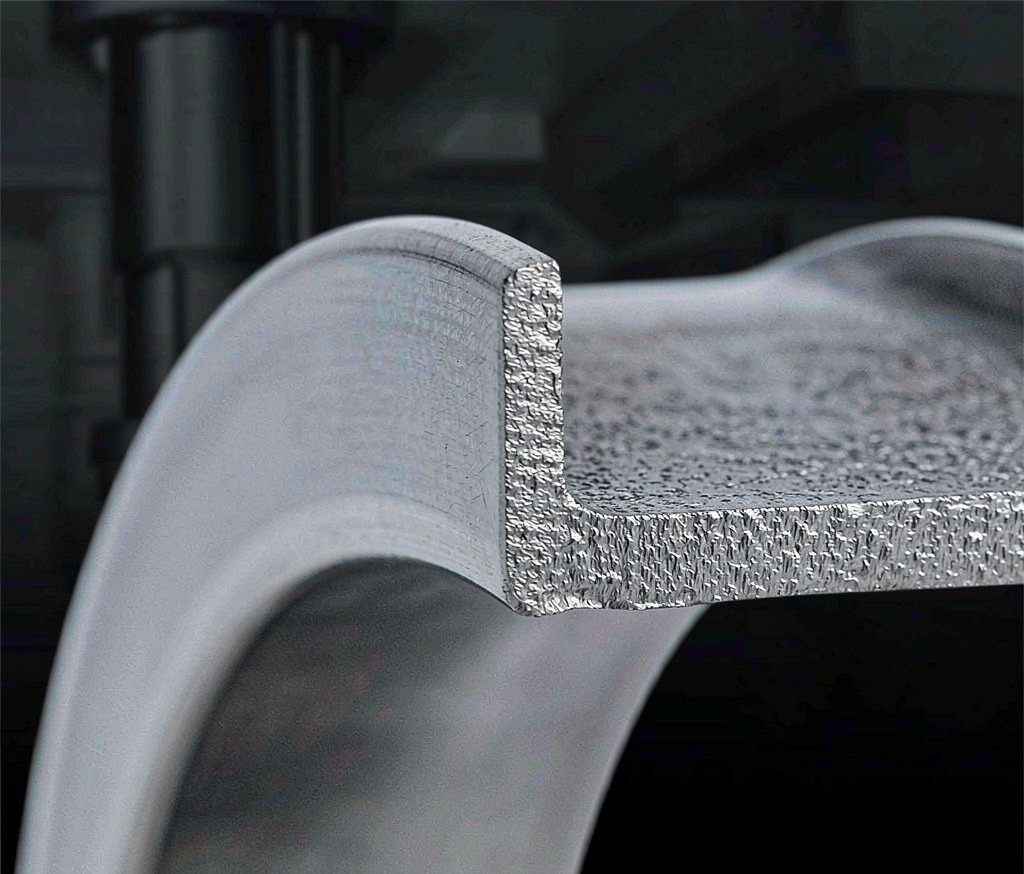
Stellite machining is the challenge of cutting a cobalt-chromium-tungsten alloy engineered for one job: surviving extreme wear, abrasion, and heat. Stellites keep their hardness at red heat and resist galling, corrosion, and cavitation where tool steels fail. The price is machinability—these alloys are very hard, work-harden, and abrade tooling. Shops typically combine carbide roughing, EDM, […]
Incoloy 825 Machining: CNC Cutting a Corrosion-Resistant Nickel Alloy
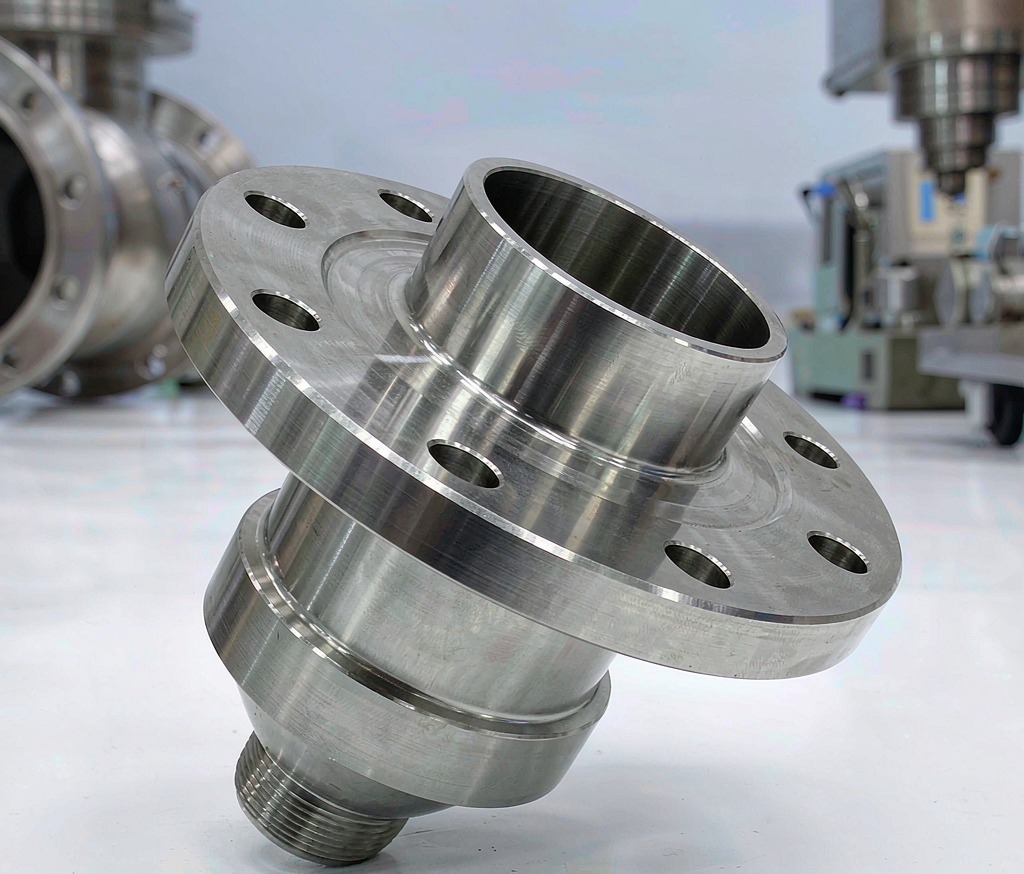
Incoloy 825 machining targets a nickel-iron-chromium alloy built for chemical and acidic duty. With deliberate additions of molybdenum, copper, and titanium, Incoloy 825 resists sulfuric, phosphoric, and many organic acids, plus chloride-induced pitting and stress-corrosion cracking. That corrosion profile makes it a staple in process plants—but like its nickel cousins it is gummy, work-hardens, and […]
Monel 400 Machining: CNC Cutting the Marine-Grade Nickel-Copper Alloy
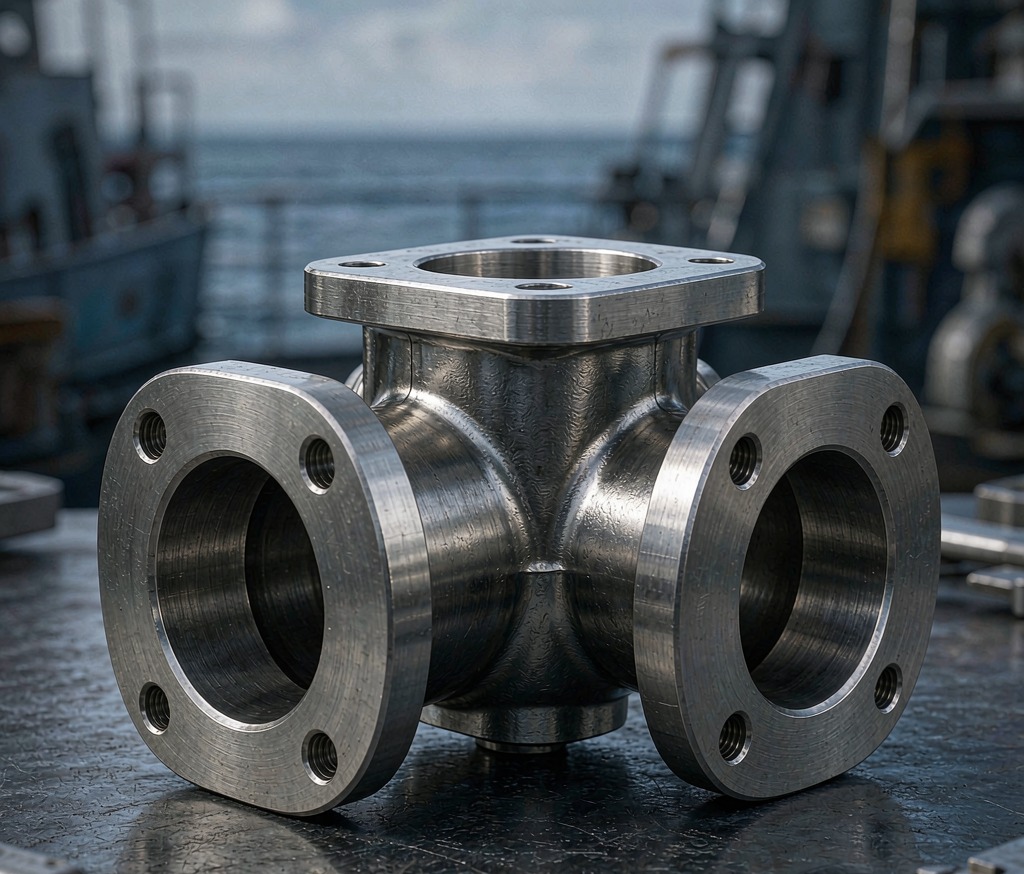
Monel 400 machining is the art of cutting a nickel-copper alloy that is famously tough, gummy, and corrosion resistant—especially in seawater. With about two-thirds nickel and the balance copper, Monel 400 resists chloride attack where even 316 stainless eventually fails, which is why it anchors marine, offshore, and chemical hardware. But that same toughness makes […]
Hastelloy X Machining: A Practical Guide to CNC Cutting a High-Temperature Superalloy
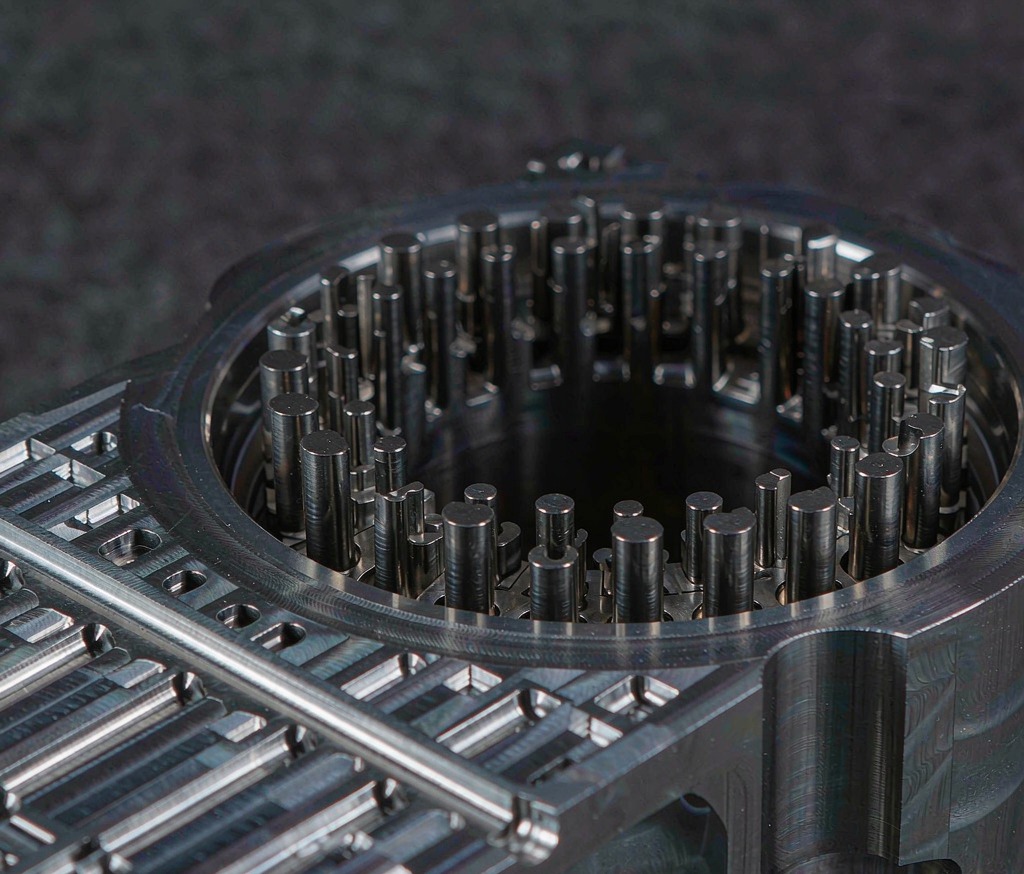
Hastelloy X machining sits at the demanding end of nickel superalloy work. A nickel-chromium-iron-molybdenum alloy, Hastelloy X is prized for high-temperature strength and oxidation resistance up to about 1200°C, which makes it indispensable for gas-turbine ducts, afterburner components, and industrial furnace fixtures. Those same properties make it work-harden aggressively under the cutter, so success comes […]
Copper vs Aluminum: Choosing the Right Metal for CNC Machined Parts
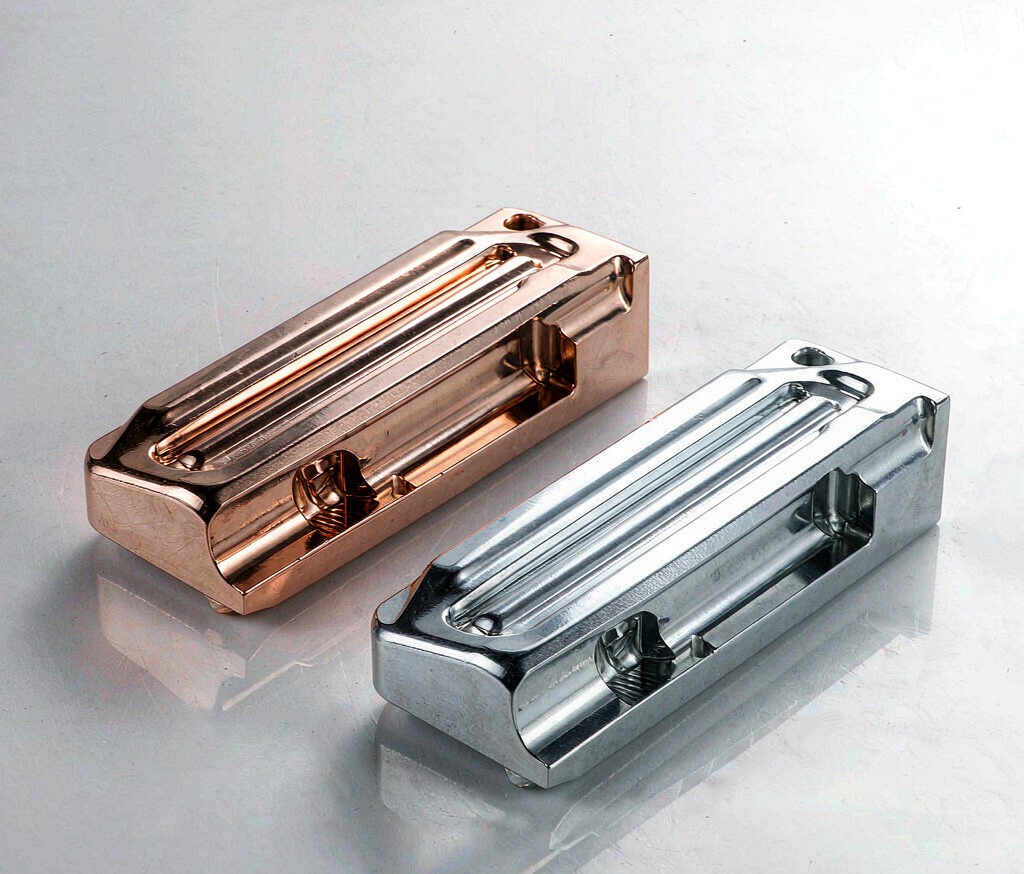
For electrical, thermal, and structural components, the recurring decision is copper vs aluminum. Copper delivers nearly double the conductivity of aluminum; aluminum delivers roughly one-third the weight and a far lower price. Neither is universally better—the right answer depends on whether your limiting factor is power loss, mass, or cost. This guide compares the two […]
304 vs 316 Stainless Steel: Which Grade Should You Specify for Machined Parts?
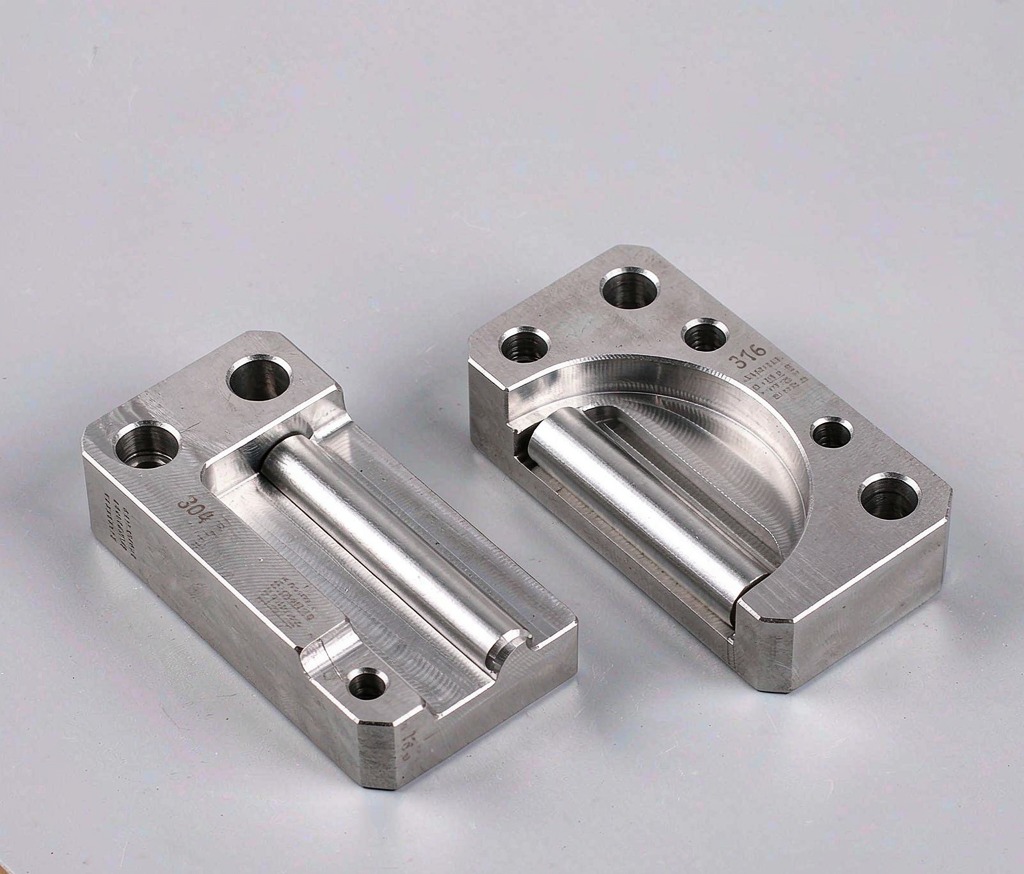
The most common stainless question we field from buyers is 304 vs 316 stainless steel. Both are 18-8 austenitics, both machine, bend, and weld similarly, and both are non-magnetic in the annealed state. The entire difference comes down to one alloying element—molybdenum—and whether your part will ever see chlorides. This guide explains when 316’s premium […]
Brass vs Bronze: How to Choose the Right Copper Alloy for Machined Parts
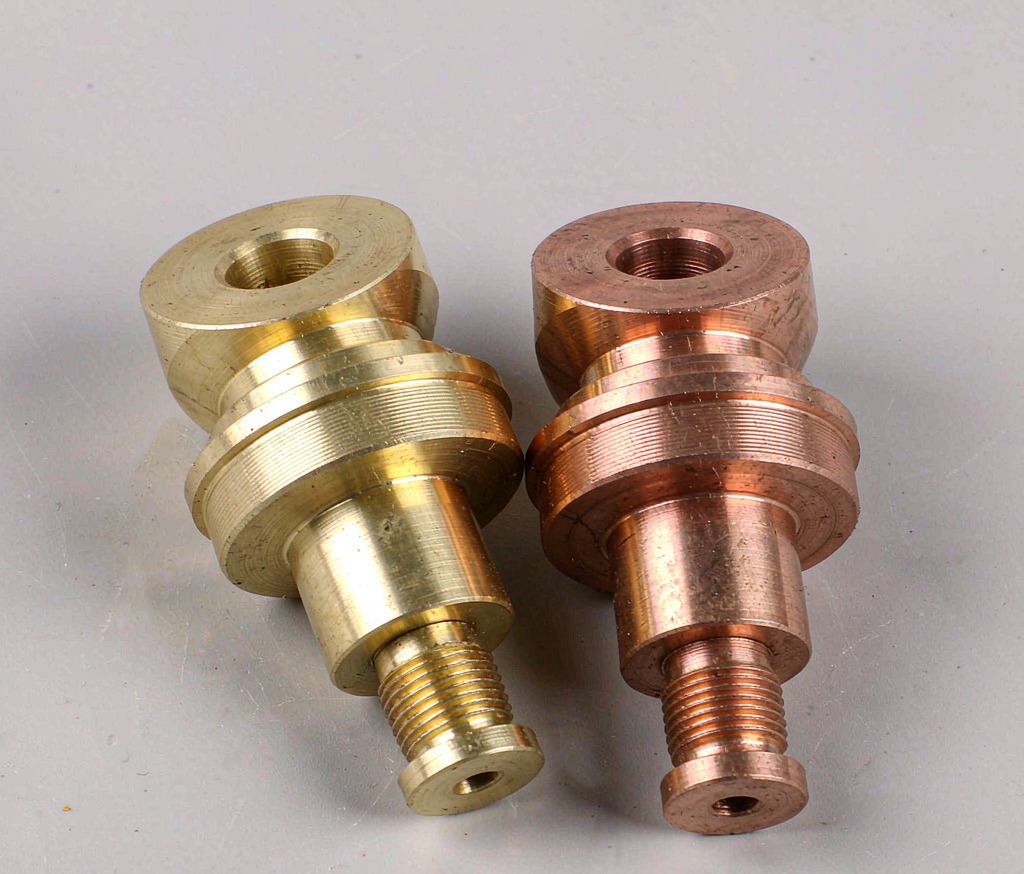
When engineers specify copper-alloy components, the first real fork in the road is brass vs bronze. Both metals are copper-based, both machine far more easily than most steels, and both deliver excellent corrosion resistance—but they behave very differently on the shop floor and in service. Choosing wrong can mean a part that galls in a […]
CNC Machining vs Laser Cutting: Which Fabrication Method Wins?
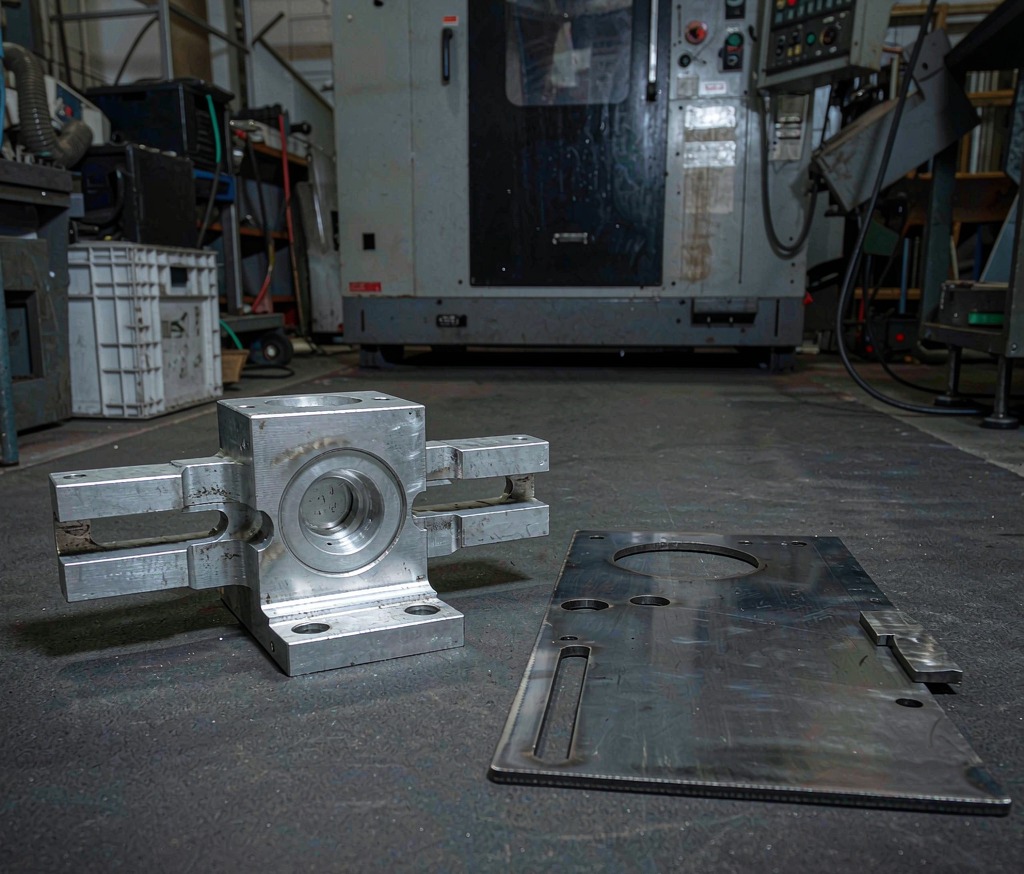
Both CNC machining vs laser cutting turn stock into finished metal, but one is 3D subtraction and the other is 2D profiling. Picking wrong means paying for capability you do not need — or missing capability you do. Here is the clean comparison so you can route a flat plate and a machined block to […]
CNC Machining vs Casting: Choosing the Right Production Path
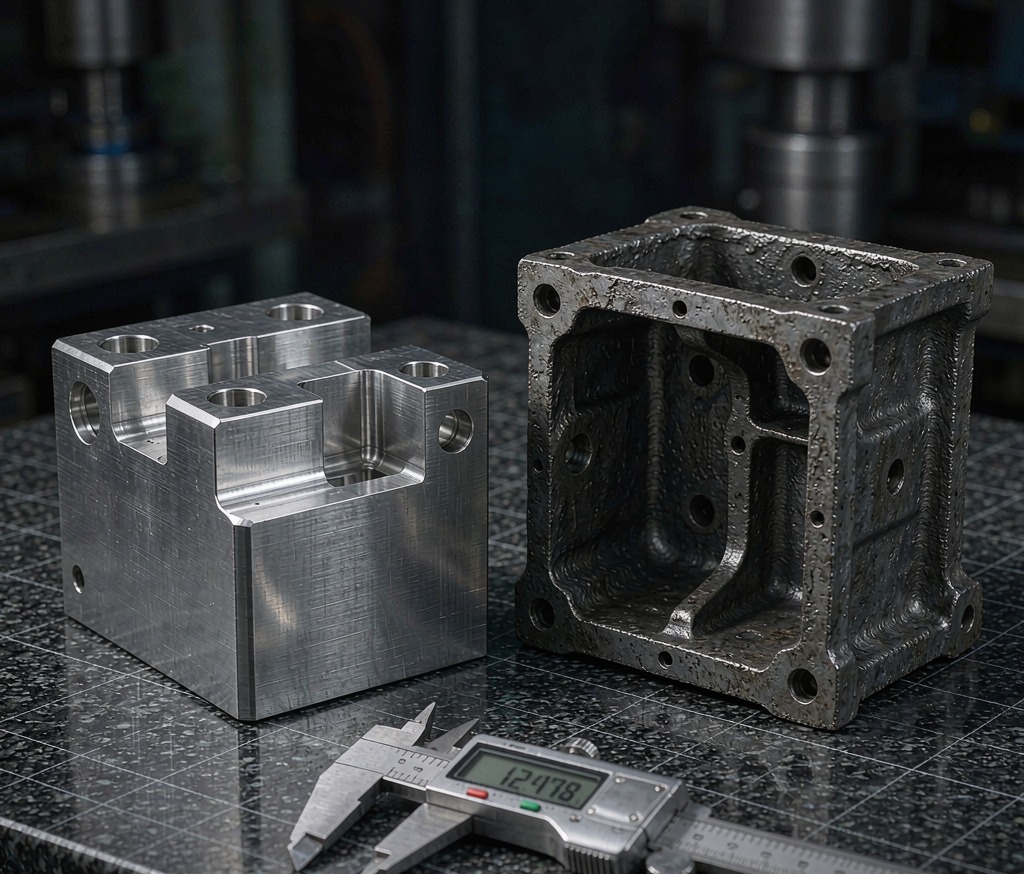
Engineers face the CNC machining vs casting decision on almost every new metal component. Machining starts from solid stock and removes material to a tolerance; casting pours molten metal into a mold and adds finish machining only where needed. Each path has a clear sweet spot in accuracy, cost, and volume, and the wrong choice […]

